


 Russian Envoy Dmitriev Heads to US for Ukraine Talks
  Soybean Futures Slip as Traders Await Trump-Xi Trade Signals
  European Stocks Fall as Bond Yields and Geopolitical Risks Weigh
  US Stock Futures Fall as Treasury Yields Surge Ahead of Trump-Xi Summit
  Oil Prices Ease as Iran Tensions Clash With Diplomacy Hopes
  Trump, Xi Focus on Trade and AI at White House Summit
  Asian Currencies Mixed as Dollar Holds Near Two-Month High
  U.S. Dollar Hits Two-Month High as Oil, Treasury Yields Surge
  Asian Stocks Fall as Bond Yields Surge Ahead of Trump-Xi Summit
  Gold Prices Fall as Treasury Yields Rise on Fed Rate Hike Bets
  Japanese Bank Stocks Surge as Bond Yields Fuel Rate Hike Bets
  Asian Stocks Fall as Surging Bond Yields Rattle Markets
  U.S. Treasury Yields Surge as 30-Year Hits 22-Year High
  Japan Private-Sector Growth Slows as Domestic Demand Weakens
  RBI Uses $10 Billion Currency Swaps to Drain Excess Rupee Liquidity
  Gold Holds Near $4,275 as Rising Treasury Yields Fuel Fed Rate Hike Bets


 Add as a preferred source on Google
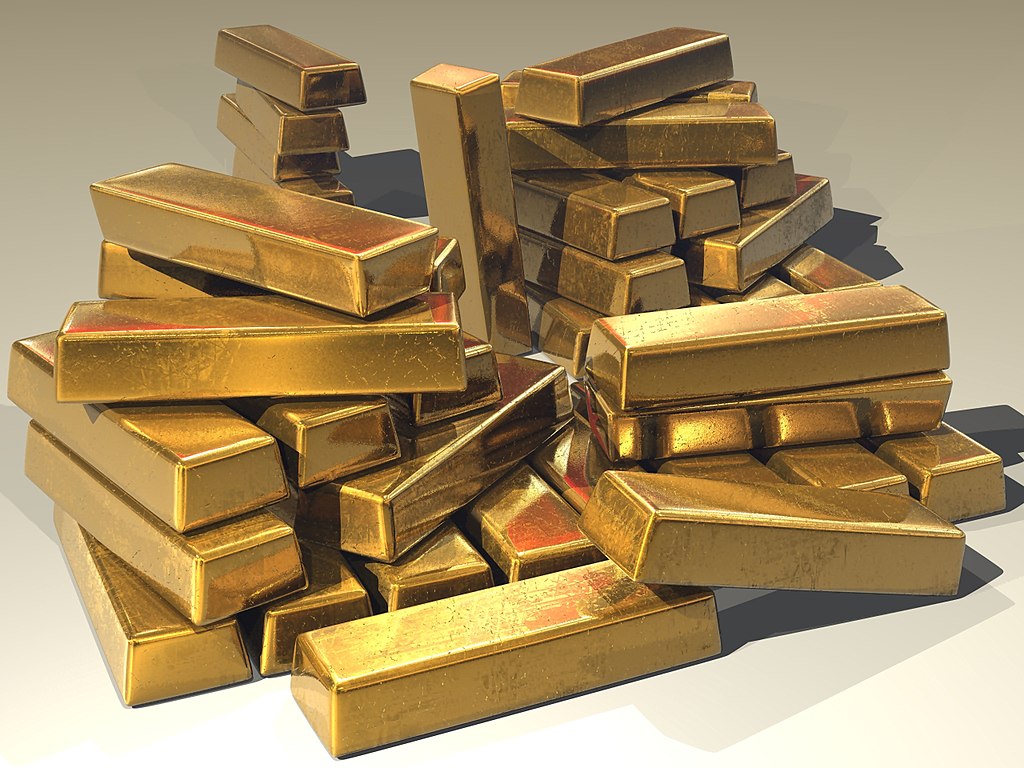
Gold prices retreated during Asian trading hours on Thursday, slipping back into the $5,000–$5,200 per ounce range that has dominated markets for over a week. The ongoing conflict involving the U.S., Israel, and Iran continued to redirect investor flows toward oil and the U.S. dollar, weighing on bullion despite persistent geopolitical uncertainty.
Spot gold declined 0.4% to $5,154.46 per ounce, while gold futures dropped a similar margin to $5,159.40 per ounce. Although prices remain historically elevated, momentum has stalled as traders reassess safe-haven priorities amid the evolving military conflict.
Market attention shifted sharply toward crude oil after reports emerged that two international tankers had been struck near Iraq. The spike in oil prices intensified inflation concerns, prompting speculation that central banks could adopt a more hawkish monetary policy stance in the months ahead — a development that historically puts downward pressure on non-yielding assets like gold.
Bullion had briefly climbed above $5,200 per ounce on Wednesday before retreating following the release of U.S. Consumer Price Index data. Although inflation figures came in line with forecasts, investors grew wary of potential energy-driven price increases that could complicate the Federal Reserve's policy outlook.
Other precious metals also pulled back. Spot silver eased 0.2% to $85.56 per ounce, while spot platinum slipped 0.1% to $2,167.26 per ounce, reflecting a broadly cautious tone across commodity markets.
Adding to market volatility, conflicting signals from U.S. officials — including statements from President Donald Trump suggesting the Iran conflict could soon end — clashed with ongoing hostilities on the ground, causing sharp swings in precious metals throughout the week.
With inflation risks, geopolitical tensions, and central bank policy all in focus, gold's near-term direction remains closely tied to developments in the Middle East conflict.







