


 U.S. Dollar Hits Two-Month High as Oil, Treasury Yields Surge
  European Stocks Slip as Iran Tensions Offset Strong Eurozone Data
  Mexico-US Trade Talks Delayed to October as Tariff Negotiations Continue
  US Dollar Hits Two-Month High as Fed Rate Hike Bets Rise
  Japan Private-Sector Growth Slows as Domestic Demand Weakens
  Asian Stocks Fall as Bond Yields Surge Ahead of Trump-Xi Summit
  US 10-Year Treasury Yield at 6% Emerges as New Market Risk Threshold
  Trump, Xi Focus on Trade and AI at White House Summit
  Oil Prices Ease as Iran Tensions Clash With Diplomacy Hopes
  European Stocks Fall as Bond Yields and Geopolitical Risks Weigh
  RBI Uses $10 Billion Currency Swaps to Drain Excess Rupee Liquidity
  South Korea, US Discuss Warship Building Cooperation
  China’s ‘Lipstick King’ Says AI Won’t Replace Livestream Hosts
  Asian Currencies Mixed as Dollar Holds Near Two-Month High
  US Stock Futures Fall as Treasury Yields Surge Ahead of Trump-Xi Summit


 Add as a preferred source on Google
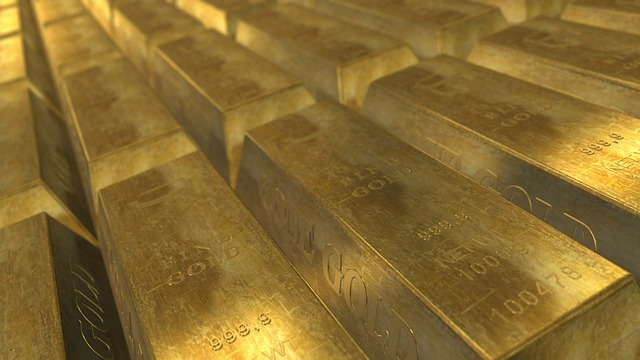
Gold prices moved lower during Asian trading on Wednesday as investors closely monitored escalating geopolitical tensions in the Middle East while awaiting critical U.S. economic reports that could influence the Federal Reserve’s next interest rate decision.
Spot gold declined 0.5% to $4,462.93 per ounce, while U.S. gold futures also fell 0.5% to $4,495.84 per ounce. The precious metal has remained largely rangebound in recent sessions as markets react to mixed developments surrounding the ongoing Iran-related conflict.
Market participants continued to assess regional tensions after Israel maintained military operations in southern Lebanon and Iran launched ballistic missiles toward Kuwait and Bahrain. Meanwhile, the U.S. military carried out strikes on Iran’s Qeshm Island, according to U.S. Central Command. The strategically important island is located near the Strait of Hormuz, a key global shipping route responsible for roughly 20% of worldwide oil consumption.
Investors are also watching diplomatic efforts closely. Another round of talks between Israel and Lebanon is expected on Wednesday, while uncertainty remains over negotiations between Washington and Tehran. Although both Iran and the United States recently indicated that a preliminary framework agreement had been reached to ease tensions, the arrangement has not yet received formal approval.
Reports from Iranian media suggested communication between Tehran and Washington has stalled in recent days, raising concerns that negotiations may be losing momentum. However, U.S. President Donald Trump stated that discussions are continuing and expressed optimism that a final agreement could still be achieved.
Despite gold’s traditional role as a safe-haven asset during periods of geopolitical uncertainty, rising oil prices have increased inflation concerns, leading investors to speculate that the Federal Reserve may maintain a hawkish stance. Higher inflation could reduce the likelihood of near-term interest rate cuts and even revive expectations of additional rate hikes.
Recent U.S. labor market data added to those expectations after job openings unexpectedly increased in April, reinforcing the view that the Federal Reserve may keep monetary policy restrictive for longer. Investors are now focused on upcoming economic releases, including the ADP employment report, ISM services PMI, factory orders data, and Friday’s highly anticipated nonfarm payrolls report.
Current market expectations suggest the Fed will leave interest rates unchanged at its June meeting. However, traders continue to price in the possibility of a rate increase later this year. Higher interest rates generally weigh on gold prices because the metal does not generate yield, making interest-bearing assets more attractive.
The U.S. Dollar Index remained mostly stable against major currencies. In other precious metals markets, silver prices dropped 1.1% to $74.31 per ounce, while platinum slipped 0.6% to $1,923.60 per ounce. Investors will continue to monitor geopolitical developments, inflation trends, and economic data for further direction in the gold market.







