


 US, China Extend Trade Truce to Jan. 10 Ahead of Trump-Xi Summit
  Trump, Xi Focus on Trade and AI at White House Summit
  Wall Street Ends Flat as Oil, Treasury Yields and Fed Jitters Rattle Markets
  South Korea, US Discuss Warship Building Cooperation
  Russian Envoy Dmitriev Heads to US for Ukraine Talks
  Australia Unemployment Hits Five-Year High Despite Strong Jobs Growth
  Asian Stocks Fall as Surging Bond Yields Rattle Markets
  Fed Unveils Stablecoin Rules Under GENIUS Act
  Japanese Bank Stocks Surge as Bond Yields Fuel Rate Hike Bets
  European Stocks Fall as Bond Yields and Geopolitical Risks Weigh
  Oil Prices Surge as U.S.-Iran Diplomacy Hopes Fade
  Fed Unveils Stablecoin Rules Under GENIUS Act
  Japan Private-Sector Growth Slows as Domestic Demand Weakens
  Gold Holds Near $4,275 as Rising Treasury Yields Fuel Fed Rate Hike Bets
  U.S. Dollar Hits Two-Month High as Oil, Treasury Yields Surge
  Gold Prices Fall as Treasury Yields Rise on Fed Rate Hike Bets
  US 10-Year Treasury Yield at 6% Emerges as New Market Risk Threshold


 Add as a preferred source on Google
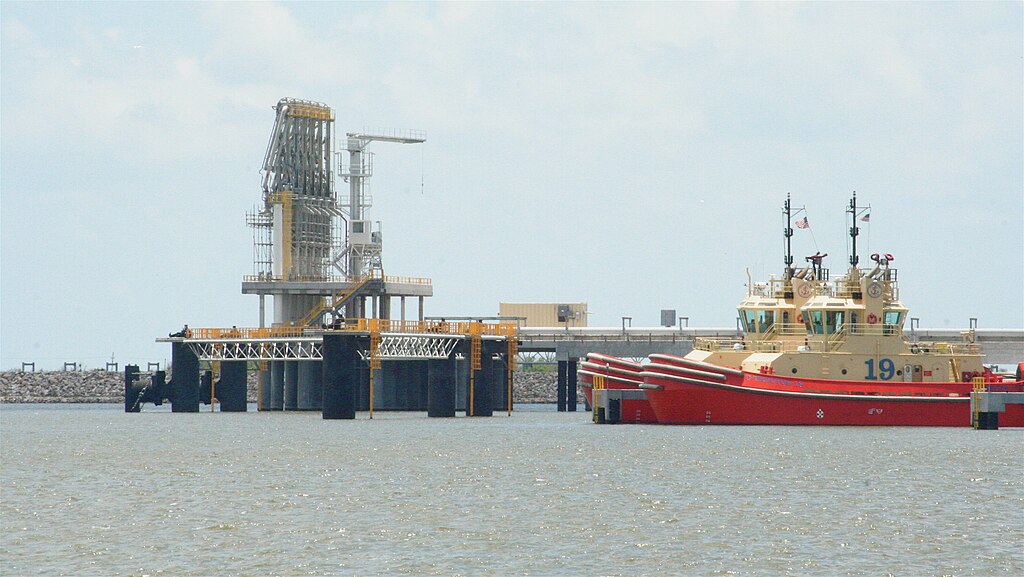
Global liquefied natural gas exports declined 4% quarter-on-quarter in the first three months of 2026, falling to 115 million tonnes, as Qatar's sudden terminal shutdown in March sent ripples across international energy markets. Despite the disruption, analysts at RBC Capital Markets see a clear set of winners emerging — oil majors with significant U.S. LNG exposure stand to capitalize on widening regional price spreads driven by escalating tensions in Iran.
Qatar LNG's complete shutdown on March 4 slashed the terminal's exports by 26% sequentially and 33% year-on-year. ExxonMobil bore the heaviest blow among the supermajors given Qatar's central role in its LNG portfolio. Strip out Qatar's output, and global LNG exports were roughly flat for the quarter, with new capacity additions softening the blow. LNG Canada's second train continued its ramp-up phase, while Congo LNG Phase 2 and Golden Pass both came online during the period.
The more consequential shift, however, is playing out in pricing. Since hostilities began in Iran, European TTF natural gas prices have surged nearly 50%, while U.S. Henry Hub prices have stayed largely stable. That divergence has caused export margins into Europe and Asia to spike sharply, benefiting companies with upstream U.S. LNG positions. TotalEnergies, Shell, and BP are all flagged by RBC as well-positioned to capture these expanded margins, with Shell projected to land at the upper end of its Q1 guidance range of 7.4 to 8 million tonnes.
Shell's LNG Canada ramp-up is particularly well-timed as Asian buyers scramble to diversify import sources, though a Pearl GTL outage is expected to partially offset those gains. Four of the five supermajors recorded improved utilization rates in March — all except ExxonMobil — signaling broader momentum heading into the second quarter.
RBC analysts caution that the most significant earnings upside from widening spreads is likely to materialize from Q2 2026 onward, with oil trading activity expected to generate the most notable near-term impact.







