


 INWIT Shareholders Explore $7.1 Billion Take-Private Deal
  Zelenskiy Offers Russia Energy Truce Amid Trump Pressure
  Bumble Shares Surge 50% on $1 Billion Buyout Talks
  Yandex Data Center Hit by Drone Strike as Russia-Ukraine Cyber Infrastructure Attacks Escalate
  Amazon Cuts More Jobs as AI Investment Expands
  Brazil Election: Lula and Bolsonaro Rally Ahead of October 25 Runoff
  Pakistan Declares Emergency in Khyber Pakhtunkhwa, Suspends Imran Khan’s PTI Government
  FAA Warns US Airlines Over Saudi Arabia Flight Risks
  Elon Musk Accuses Indian Telecom Giants of Blocking Starlink Launch
  Meta Launches Muse Wonder AI Models, Shares Rise 3.7%
  Epic Games Delays Disney Shooter, Shifts to AI-First Development
  Amazon in Talks to Acquire AI Startup Decart for $7 Billion
  Russia Approves Sberbank for Crypto Exchange Services
  Moonshot AI Executives Seek Settlement Ahead of Hong Kong IPO
  Syndax Stock Drops 15% After Axatilimab Trial Failure
  PepsiCo Slashes Poppi Earnout Valuation as Growth Slows
  Robinhood Chain Eyes Priority Gas Auctions for Faster Trades


 Add as a preferred source on Google
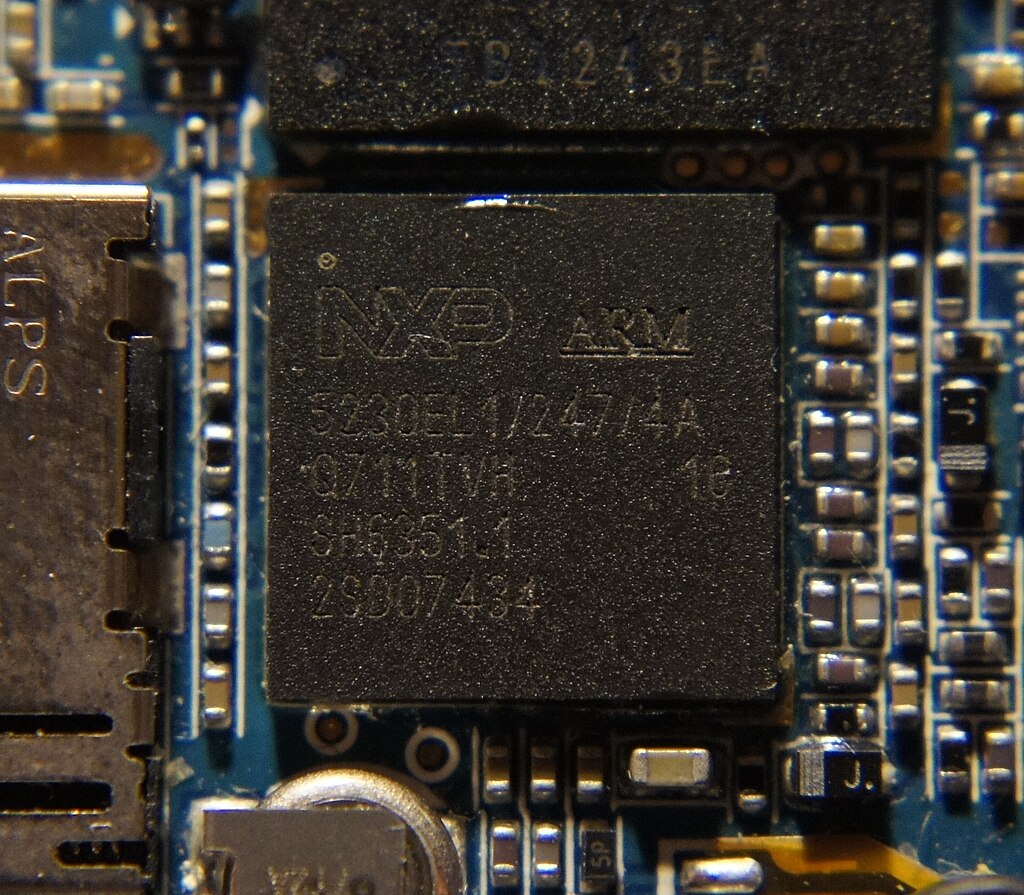
A factory in China’s industrial south has unexpectedly become a global choke point for automotive chips, exposing deep vulnerabilities in the auto sector’s supply chain. Despite previous promises to strengthen semiconductor sourcing after the pandemic-era shortages, automakers were caught off guard again—this time by geopolitically driven disruption involving Dutch chipmaker Nexperia and its Chinese parent, Wingtech.
The crisis began when the Dutch government temporarily took control of Nexperia’s Netherlands headquarters over fears that sensitive technology could be accessed by China. Beijing retaliated by blocking exports of Nexperia’s low-cost but essential automotive chips produced in Dongguan. Though inexpensive and considered basic components, these semiconductors are vital for functions such as braking systems and power windows. The sudden halt forced manufacturers like Nissan and Honda to cut production and pushed Bosch to scale back working hours.
Industry experts say the situation highlights a major shortcoming in global supply-chain strategy: automakers prepared for natural disasters and market shocks but did not anticipate geopolitical pressure targeting low-end semiconductor components. Executives and analysts note that years of just-in-time inventory practices and limited supplier diversification created the perfect setup for disruption. Some major suppliers, including Bosch, did not have enough alternative chip sources ready despite purchasing massive volumes from Nexperia annually.
The situation was further strained when Nexperia began requiring payments in yuan, slowing transactions and leaving chips piled up at the factory before conditions eased. China eventually allowed limited exports to resume after high-level political talks, narrowly preventing production shutdowns at major suppliers like ZF Group and Hella.
While companies such as Toyota remained relatively insulated due to long-standing stockpiling policies, most automakers now face renewed pressure to build more resilient, regionally diversified chip inventories. However, replacing or re-qualifying components can take months to a year, since many chips are integrated directly into vehicle modules and cannot be easily swapped.
As consultants warn, the industry will again talk about resilience and diversification—but implementing these strategies will be expensive. The Nexperia episode underscores how even low-tech components can become powerful geopolitical levers and disrupt global manufacturing at scale.







