


 NASA's Artemis II Crew Arrives in Florida for Historic Moon Mission
  MATCH Act Targets ASML and Chinese Chipmakers in New U.S. Export Crackdown
  Federal Judge Blocks Pentagon's Blacklisting of AI Company Anthropic
  Samsung Electronics Eyes Record Q1 Profit Amid AI-Driven Chip Boom
  SpaceX Eyes Historic IPO at $1.75 Trillion Valuation
  Chinese Universities with PLA Ties Found Purchasing Restricted U.S. AI Chips Through Super Micro Servers
  TSMC Japan's Second Fab to Produce 3nm Chips by 2028
  Cybersecurity Stocks Tumble After Anthropic's Claude Mythos AI Leak Sparks Market Fears
  SK Hynix Eyes Up to $14 Billion U.S. IPO to Fund AI Chip Expansion
  Google's TurboQuant Algorithm Sends Memory Chip Stocks Tumbling
  Australia's Social Media Ban for Under-16s Sparks Global Movement
  Makemation: a Nollywood movie that shows AI in action in Africa
  Rubio Directs U.S. Diplomats to Use X and Military Psyops to Counter Foreign Propaganda
  California's AI Executive Order Pushes Responsible Tech Use in State Contracts
  OpenAI Pulls the Plug on Sora, Ending $1 Billion Disney Partnership
  SpaceX IPO Filing Expected This Week as Valuation Could Surpass $75 Billion


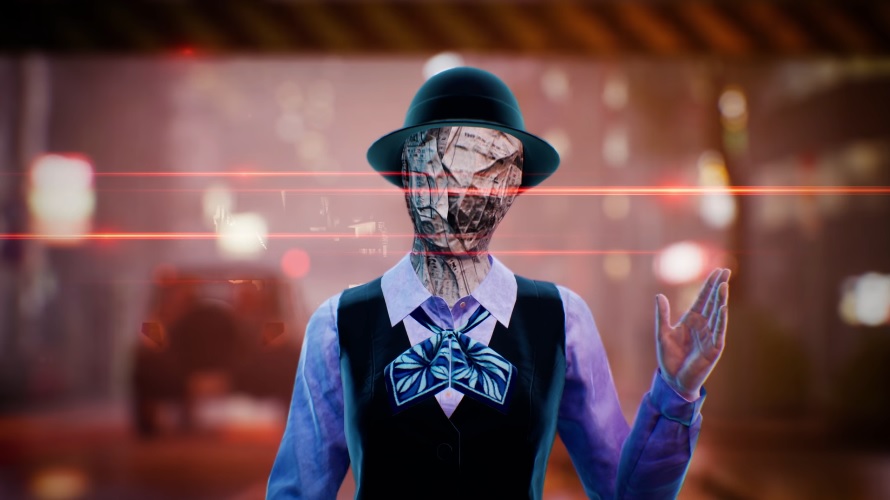
Video game fans have been accustomed to seeing large file sizes for new games released in recent years, but this will not be the case for “Ghostwire: Tokyo.” While the game requires high-end specs to run on PC, it will need relatively small storage space on PC and PS5.
‘Ghostwire: Tokyo’ specs requirements
Following the “Ghostwire: Tokyo” PS5 showcase last week, the PC specs requirements for the game have been released on Steam. PC gamers will only need 20GB of storage to download the game. The Twitter page PlayStationSize also reported that the game will require the same on PS5, but noted that that file size only accounts for the base game without the day one patch.
While the game’s file size is surprisingly low on both platforms, PC gamers will still need a high-end rig to play the game. The “Ghostwire: Tokyo” page on Steam shows that the game’s minimum system requirements include Intel Core i7-4770K with clock speed 3.5GHz or AMD Ryzen 5 2600.
“Ghostwire: Tokyo” will only run properly on PCs with Nvidia GTX 1060 or AMD RX 5500 XT. The game will also require at least 6GB video RAM and 12GB memory. Steam indicates that the game will be playable even with HDD storage, but the digital store notes SSD storage is recommended.
PCs also have to be running on Windows 10 version 1909 or higher with DirectX version 12 to play “Ghostwire: Tokyo.” But to get the best experience on PC, Steam recommends a setup with Core i7-6700 (3.4GHZ) / AMD Ryzen 5 2600 CPU and Nvidia GTX 1080 / AMD RX 5600 XT GPU.
‘Ghostwire: Tokyo’ protagonists and the Visitors
Fans can now check out the new “Ghostwire: Tokyo” deep dive video to get a better idea of how its combat mechanics and gameplay will run on PS5. Tango Gameworks also released new details about the game’s story, including new information on its protagonists and villains.
It has been known for a while now that players will control the main character named Akito in “Ghostwire: Tokyo.” But the latest announcements revealed that there are actually two protagonists in the game. Part of the reason Akito did not disappear, unlike the rest of Tokyo, is that his body merged with the spirit of the “veteran ghost hunter” called KK.
Akito and KK will have to fight through hordes of supernatural beings called Visitors that are immune to conventional weapons like guns and swords. Tango Gameworks revealed that the protagonists will mainly use a supernatural ability called Ethereal Weaving. It allows Akito to weave wind, water, and fire elements to deal damage to Visitors he will encounter across the city.
“Thanks to the advanced haptics of the PlayStation 5’s DualSense wireless controller, you’ll feel like you’re right in the action as you unleash Ethereal Weaving and tear out the cores of your enemies,” director Kenji Kimura said in a blog post. “Ghostwire: Tokyo” will be released on Friday, March 25.







