


 South Korea’s KOSPI Plunges as Apple Price Hikes and OpenAI IPO Delay Shake AI Chip Stocks
  US Stock Futures Steady as Investors Await Payrolls Data and Monitor Iran Tensions
  Iran Attack in Strait of Hormuz Pushes Oil Prices Higher
  Asian Stocks Sink as Apple Price Hikes Spark AI Valuation Fears, South Korea and Japan Lead Selloff
  SpaceX Eyes Starlink Mobile Phone Service to Challenge Verizon, AT&T, and T-Mobile
  Gold Prices Rise Above $4,000 as Inflation Data and Weaker Dollar Boost Demand
  Asian Currencies Stay Range-Bound as Investors Eye China Data, RBNZ Outlook and U.S.-Iran Ceasefire
  Economic pessimism has set in – but there are reasons for Australians to be hopeful
  Oil Prices Rise as US-Iran Tensions Threaten Strait of Hormuz Oil Shipments


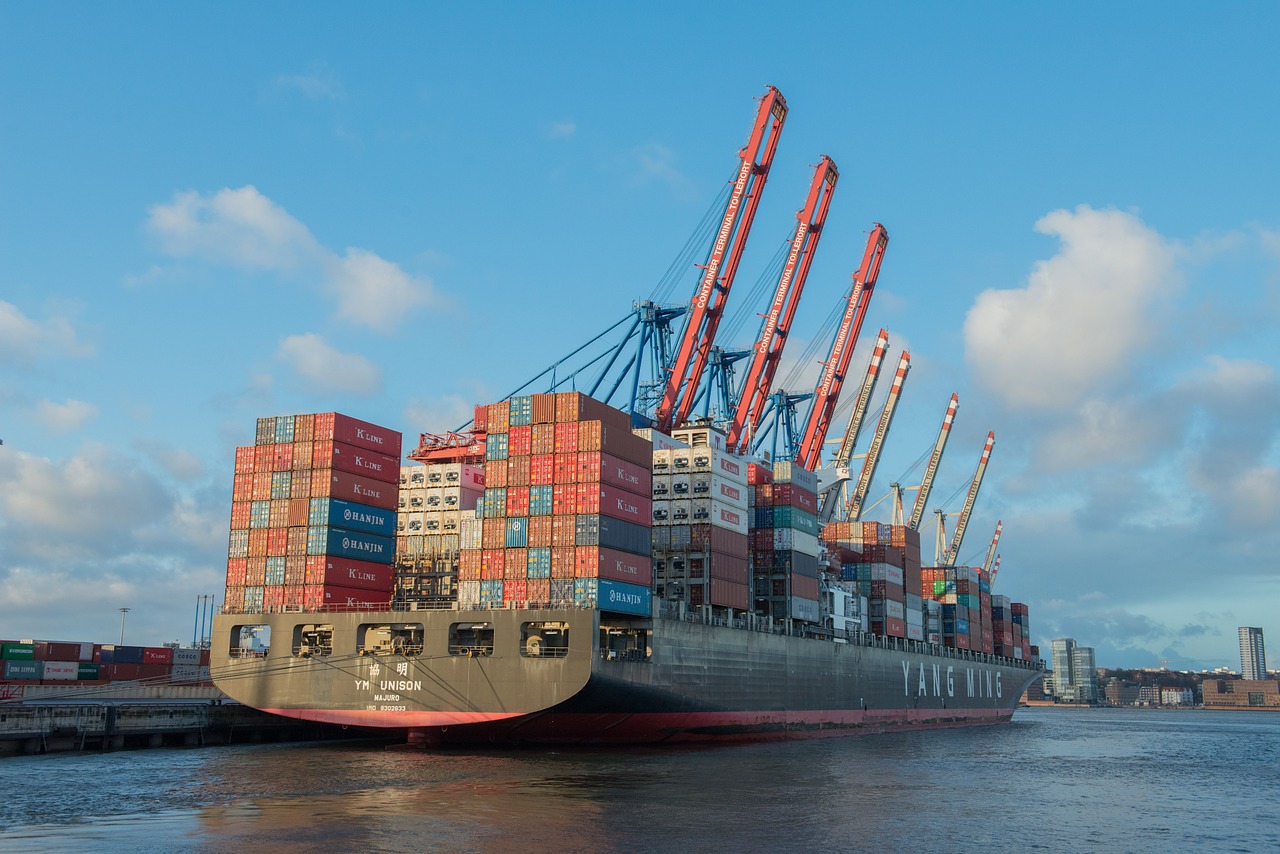
German economic data have started to show weakness and , more softness is on cards. This is because the German economy faces headwinds from two important channels: (1) the turmoil in emerging markets and China together with the weakness in the US manufacturing sector and (2) the Volkswagen emissions scandal.
"We expect the two channels to affect the significant German car industry simultaneously, as China is the world's largest market for new cars. The worst case would be that the Volkswagen fraud results in a hard hit to the quality trusted brand made in Germany", says Danske Bank.
Regarding the first channel, the highly export-oriented German economy is more at risk than the rest of the euro area, which also follows due to the high German exposure to emerging markets. Hence, although economists have argued for an impact on sentiment rather than a direct export impact for the euro area, the direct impact should be larger for Germany. Added to this, the weakness in the US manufacturing sector also adds downside risk, as German exports to the US are now higher than they are to France.
The foreign weakness is reflected in the data released this week, which has all been very weak. Exports declined 5.2% m/m in August, which is the weakest since 2009. Factory orders declined on average 2.0% m/m in July and August and the softness is driven mainly by foreign orders, which are down more than 7% since June. Industrial production also surprised on the weak side, with a decline of 1.2% m/m in August.
"We look for more weakness as the data for August do not include the impact of the Volkswagen scandal, which emerged in September.The solid export growth in Q2, which had a growth contribution of more than 1 percentage point, was driven mainly by exports of cars and we expect a hit to the German car industry would have a quite high impact on activity as car exports account for around 20% of overall exports", added Danske Bank.







