


 Gold Prices Hold Steady Ahead of Trump-Xi Summit, Middle East Risks
  UK Home Asking Prices Rise for First Time Since May
  Apple Pay Set for India Launch With Axis Bank
  Drug pollution in water is making salmon take more risks – new research
  Bessent Presses Japan on Fiscal Policy as Yen Struggles
  How America courted increasingly destructive wildfires − and what that means for protecting homes today
  Vietnam Stocks Join FTSE Emerging Market Indexes, Unlocking Billions in Foreign Investment
  Fungi are among the planet’s most important organisms — yet they continue to be overlooked in conservation strategies
  NASA, Boeing Discuss Expanding Starliner Missions
  FAA Allows Boeing to Sell 35 More 777F Freighters Beyond 2028
  Asia Stocks Rise on AI Demand as Oil Eases
  Yen Sinks as BOJ Rate Hike Fails to Impress Markets
  France Debt-to-GDP Ratio Seen Hitting Record 119.3% in 2026
  US-China Talks Target AI, Tariffs Ahead of Trump-Xi Summit
  Strait of Hormuz Oil Shipments Hit Six-Month High as U.S. Clears Mines


 Add as a preferred source on Google
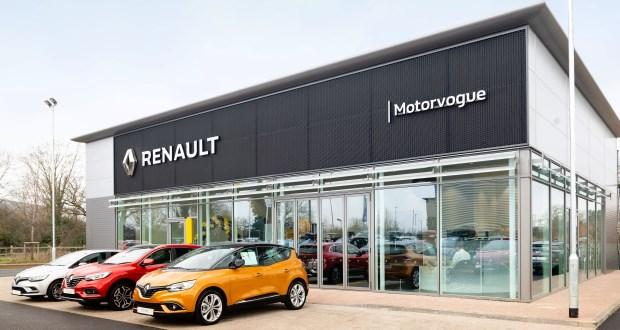
China's Geely Automobile Holdings and an oil group are seeking to take stakes in the fossil-fuel engine unit Renault, which plans to separate from its electric vehicle (EV) business.
Renault's alliance partner, Japanese carmaker Nissan, will not take a stake in the combustion engine unit.
Renault is expected to reveal plans for an EV-specific unit in France this autumn, as well as another in Europe that will bring together all of its petrol and hybrid engine and transmission production sites in Spain, Portugal, Turkey, Romania, and Latin America.
The French automaker intends to keep a majority stake in its "Ampère" electrical division, which will employ around 10,000 people and could go public in the second half of 2023.
However, it will retain only a minority stake in its "Horse" combustion engine business, which will employ a similar number of people but will remain a reference shareholder with significant clout in the unit.
According to sources, Renault would own 40 percent of the fossil-fuel engine unit, while Geely would own 40 percent and an oil company would own the remaining 20 percent.







