


 Apple Tests China’s CXMT Memory Chips for iPhones and MacBooks Amid AI Supply Crunch
  SoftBank Q1 Profit Beats Forecast as Intel Rally and OpenAI Investments Boost Returns
  Deutsche Bank Upgrades Persimmon to Buy After Strong First-Half Results
  Sinopec Boosts Russian ESPO Oil Purchases as Middle East Supply Tightens
  Alibaba Plans Revenue-Sharing Model for Qwen3.8-Max AI Commercial Users
  SK Hynix, Samsung Lead Asian Chip Stock Selloff After Sandisk, Western Digital Outlook
  Shein Scales Back Vietnam Operations as US Trade Rules Shift
  UOB Q2 Net Profit Rises 10% as Wealth Management Growth Boosts Earnings
  Treasury Wine Estates Shares Jump as U.S. Overhaul Lifts FY2026 Outlook
  Sony, TSMC Eye $6.3 Billion Japan Chip Venture for Next-Gen Image Sensors
  Qantas Shares Climb as Long-Haul Pilot Deal Eases Strike Concerns
  Alphabet Stock Slides as Google AI Pioneer Jeff Dean Exits to Launch Discovery Loop
  Moderna Wins FDA Approval for mFLUSIVA mRNA Flu Vaccine for Adults 50+
  Delta Flight Makes Emergency Landing in Atlanta After Cockpit Fumes Reported
  Nintendo Shares Jump as Switch 2 Sales Boost Earnings
  OpenAI Restricts Astra AI Over Cyberattack Risks
  Daimler Truck Q2 Profit Falls 18%, 2026 Outlook Raised


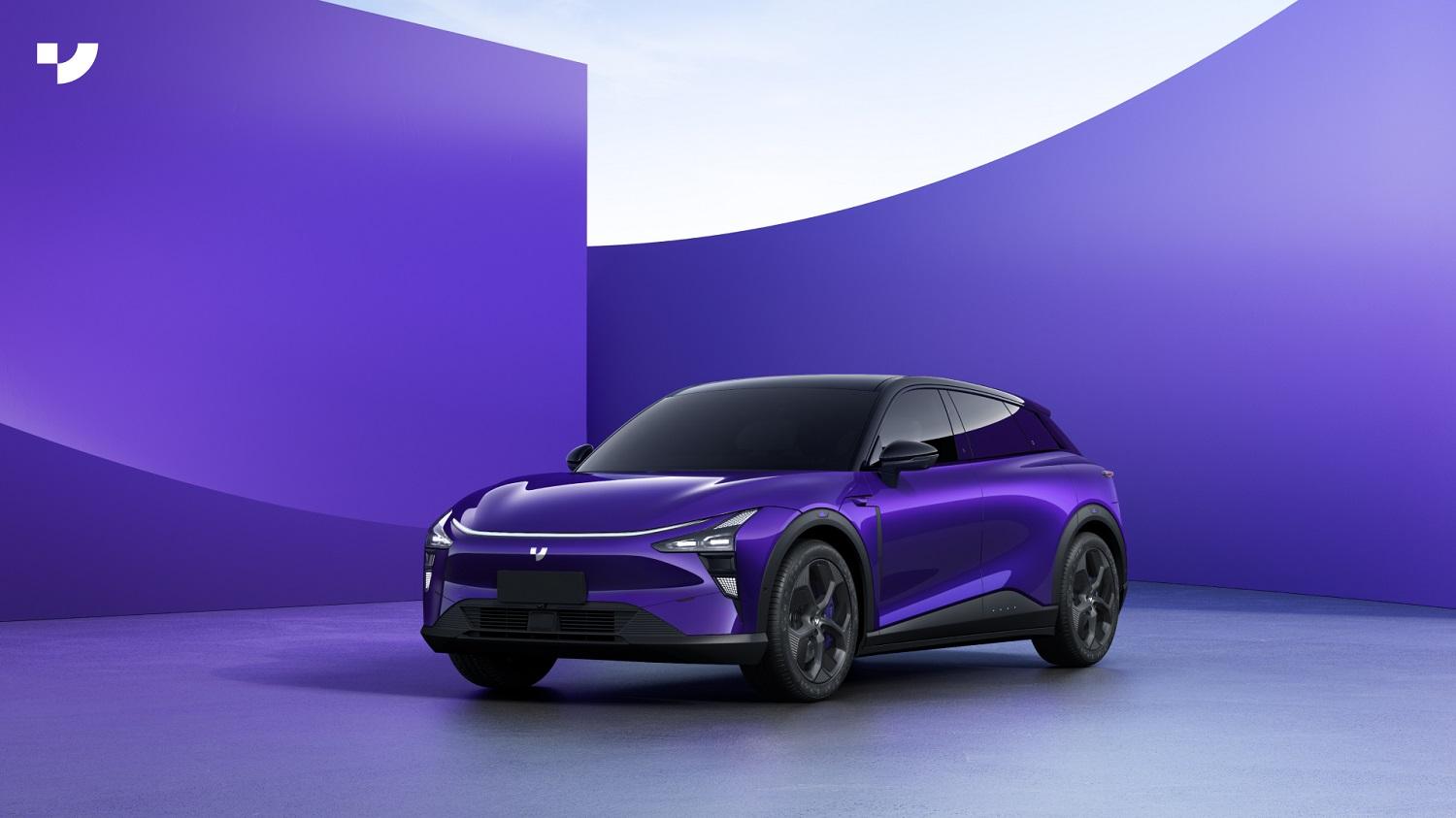
The electric vehicle (EV) industry's competitive landscape intensifies as consolidation accelerates. In a notable industry shift, Geely, the Chinese automotive giant, has assumed responsibility for funding EV manufacturer Polestar, relieving Volvo Cars of its financial obligations.
Reuters noted that this move is a significant marker of the broader industry's trend towards mergers and acquisitions, particularly in the wake of Tesla Inc.'s monumental market success during the early 2020s.
Geely's Strategic Vision for Polestar
Geely's strategic investment into Polestar reflects the challenges and costs of developing cutting-edge EV technology. By absorbing Polestar, previously under Volvo—another Geely majority-owned enterprise—Geely consolidates its grip on the EV luxury sector, bringing Polestar's design-centric models further into its corporate fold.
US News noted that the consolidation reflects the market's natural evolution, where only those with significant capital and stamina can persist; smaller contenders grapple with the sheer scale of investment required to remain viable. Indeed, the EV market is displaying its ruthlessness, favoring those with the resources to endure substantial financial outlays over protracted periods.
Challenging Roads Ahead for EV Startups
A tidal wave of consolidation looms as EV demand fluctuates globally, potentially spelling doom for less financially resilient firms. As Tesla's stratospheric valuation—and Elon Musk's celebrity factor—buoys the industry, it also sets an unsustainable precedent of high expenditure without immediate return, a model unfeasible for most.
The ongoing industry transformation is dramatic, impacting legacy automakers, fledgling startups, and investors who collectively plunged more than $1.2 trillion into EV ventures. The problematic choices now resting on their shoulders—whether to curtail losses or forge untried alliances—are symptomatic of an industry at a critical juncture.
Andy Leyland, supply chain specialist and co-founder of SC Insights, captures the sentiment succinctly: "We're at a turning point. EV startups must now demonstrate not only their potential for profitability but also their strategies to contend against larger, well-funded competitors, including those in China with considerable market influence." The path forward demands adaptability and innovation in equal measure for those hoping to survive the current electric shakeout.
Photo: Geely Newsroom







