


 Nvidia-Groq AI Chip Deal Faces U.S. Antitrust Probe
  Australia Plans New Rules Giving Users Control Over Social Media Feeds
  Blackstone Eyes $2 Billion ZO Skin Health Sale
  Chinese AI Stocks Rally After OpenAI Launches GPT-6 Astra
  Apple Unveils $1,999 Foldable iPhone Duo
  Huawei, Chinese AI Chipmakers Raise Prices as HBM Shortage Bites
  Nvidia CEO Says AGI Has Arrived With OpenAI GPT-6 Astra
  Google Revamps EU Search Results to Meet DMA Rules
  TSMC August Revenue Jumps 53% on AI Chip Demand
  Trump Threatens Bombardier U.S. Sales Ban
  Brazil Court Suspends Sigma Lithium Mine Operations
  Longsys Raises $903 Million in Hong Kong IPO as Shares Debut Flat
  GLP-1 Weight-Loss Drug Use Surges Among U.S. Children
  Elon Musk’s Boring Company Raises $3 Billion at $23 Billion Valuation
  Ingenia Rejects A$1.9 Billion Warburg Pincus Takeover Bid
  Spire Healthcare Shares Jump on £1.03 Billion Takeover Deal
  OpenAI Targets Specialized Industries as Enterprise AI Demand Grows


 Add as a preferred source on Google
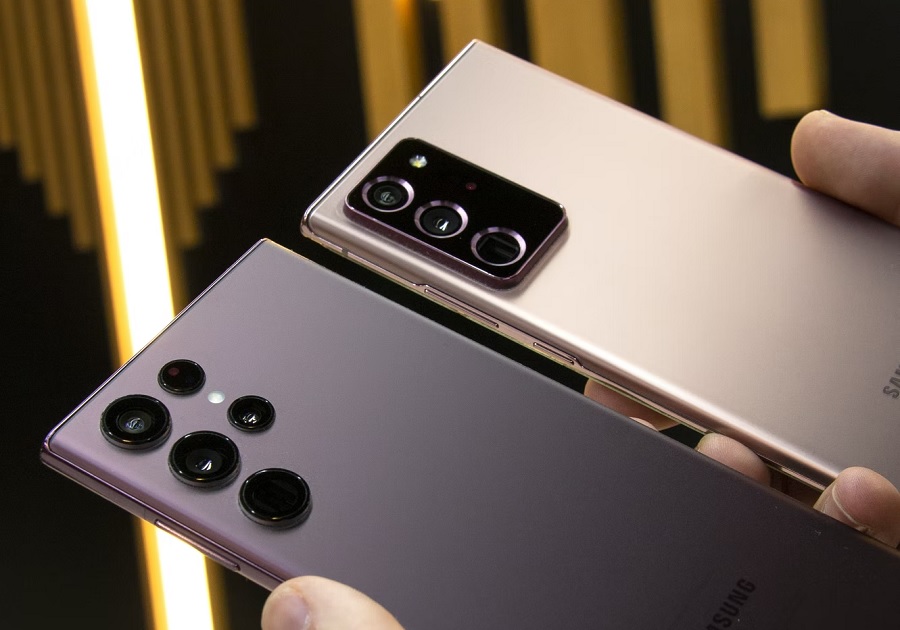
Samsung might end up abandoning its own mobile chipset for the Galaxy S23 series next year. Analyst Ming-Chi Kuo reported that the South Korean tech giant is considering exclusively using the next-gen Snapdragon SoC for a good reason.
For years, Samsung shipped the latest Galaxy S series phones with different chipsets depending on the market. Some regions have been getting the version powered by the latest flagship Snapdragon mobile platform, while Samsung sells versions with the Exynos counterpart in other markets. But that could be changing in the coming year, as Kuo reported, "Qualcomm will likely be the sole processor supplier for Samsung Galaxy S23."
The analyst noted that Qualcomm already had the larger share in supplying SoCs for the Galaxy S22 lineup, accounting for 70 percent of units shipped worldwide. However, with its next premium mobile platform (like with model number SM8550) to be produced using TSMC's 4nm process, Samsung is expected to abandon the Exynos 2300 in the Galaxy S23 phones.
Kuo's report, shared in a series of Twitter posts, suggests that Samsung will still be making the Exynos 2300 using its own 4nm process. However, the analyst said "it can't compete with SM8550 in all aspects," making it likely for Samsung to exclusively use Qualcomm's SM8550 chip for the Galaxy S23 phones.
TSMC's 4nm design is expected to give Qualcomm's upcoming SoC, which could be named Snapdragon 8 Gen 2, notable upgrades in terms of performance and power efficiency compared to its predecessors Snapdragon 8 Gen 1 and Snapdragon 8+ Gen 1. It then seems like the best course for Samsung to only use Qualcomm's upcoming chip for the Galaxy S23 series. This change, should Samsung implement it, would mean that consumers in Europe, Africa, and some Asian markets will finally get a Snapdragon-powered Galaxy S device.
The analyst added that Qualcomm could then be on track to expand its market share in premium Android phones to be shipped next year, thanks to the SM8550 chip. "The economic recession affects the high-end market less, so the market share gain will significantly benefit Qualcomm and TSMC," Kuo said.
Photo by Zana Latif on Unsplash







