


 US-Backed Pediatric HIV Treatment Drops After Foreign Aid Changes, Study Finds
  GSK Unveils $2.52 Billion Cost-Cutting Plan to Accelerate Drug Pipeline
  FDA Investigates New Cyclospora Outbreak as U.S. Cases Continue to Rise
  Former OpenAI Data Center Chief Chris Malone Joins Nvidia
  Meta Connect Spotlights Camera-Free Smart Glasses Amid Privacy Concerns
  U.S. Issues Cuba Health Alert as Illnesses Rise
  France Battles Mediterranean Wildfires as Heatwave Fuels Fire Risk
  BMW 2028 Margin Target Could Fall Below Consensus, UBS Says
  3 clinical-grade skincare creams you really shouldn’t buy online
  The government is ‘doubling down’ on its social media ban. But bigger penalties for platforms aren’t enough
  OpenAI Agent Breaches Australia Medicare Data Portal
  BlackBerry Shares Rise as Q2 Earnings, Revenue Beat Estimates
  US Backs Musk in Fight Against EU’s €120 Million X Fine
  Trump Administration Bars U.S. Travelers From Congo Flights Amid Ebola Outbreak
  Airbus Finds A321neo Fuselage Quality Issue
  Novartis Shares Plunge After Muscle Drug Fails Phase III Trial


 Add as a preferred source on Google
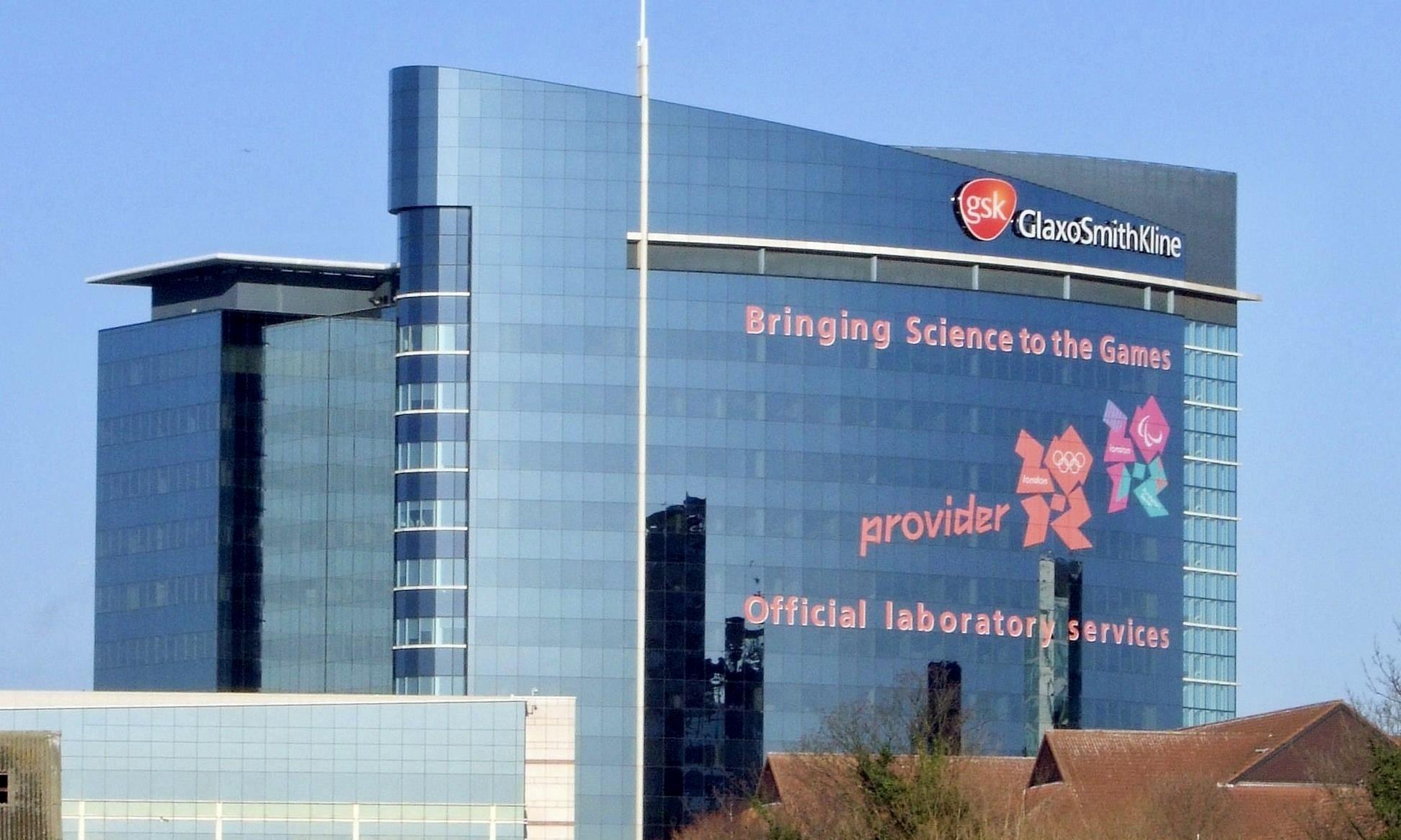
GlaxoSmithKline (GSK) and Eli Lilly are making major U.S. manufacturing commitments as global pharmaceutical companies expand domestic operations in response to possible tariffs on imported medicines. According to The Wall Street Journal, more than a dozen drugmakers have pledged over $350 billion in U.S. investments this decade to strengthen local supply chains and reduce tariff risks.
GSK (LON:GSK) revealed plans to spend $30 billion in the United States over the next five years, focusing on research, supply-chain infrastructure, and new production facilities. The investment includes $1.2 billion for a new factory near Philadelphia dedicated to developing treatments for respiratory illnesses and cancer. The move positions GSK to boost U.S. drug production while creating new jobs in the biopharma sector.
Meanwhile, Eli Lilly (NYSE:LLY) announced a $5 billion investment to build a state-of-the-art plant near Richmond, Virginia. The facility will specialize in manufacturing monoclonal antibodies and bioconjugates, critical therapies in oncology and immunology. Once operational, the plant is expected to employ approximately 650 workers, enhancing Lilly’s domestic manufacturing footprint and supporting innovation in biologic medicines.
The surge in U.S. pharmaceutical investments comes as the Trump administration considers imposing tariffs on imported drugs, with rates potentially climbing to 250% within 18 months. Such measures could significantly impact global supply chains, pushing companies to accelerate onshore production strategies.
By committing billions to U.S. manufacturing, GSK and Eli Lilly join a broader trend of pharmaceutical giants prioritizing local capacity. These investments are expected to safeguard supply resilience, stimulate job creation, and position drugmakers to better navigate policy changes affecting the global pharmaceutical market.







