


 Bendigo and Adelaide Bank Posts Strong Q3 Earnings, Announces AI-Driven Job Cuts
  TSMC Posts Strong Q1 2025 Revenue, Riding AI Chip Demand Wave
  NASA's Artemis II Crew Arrives in Florida for Historic Moon Mission
  SpaceX Eyes Historic IPO at $1.75 Trillion Valuation
  NASA Artemis II: First Crewed Moon Mission Since Apollo Takes Four Astronauts on 10-Day Lunar Journey
  Britain Courts Anthropic Amid US Defense Department Dispute
  China's Push to Steal Taiwan's Chip Technology and Talent Raises Security Alarms
  Elon Musk Ties SpaceX IPO Access to Mandatory Grok AI Subscriptions
  Apple Turns 50: From Garage Startup to AI Crossroads
  Australia's Social Media Ban for Under-16s Sparks Global Movement
  Anthropic Fights Pentagon Blacklisting in Dual Federal Court Battles
  TSMC Japan's Second Fab to Produce 3nm Chips by 2028
  Annie Altman Amends Sexual Abuse Lawsuit Against OpenAI CEO Sam Altman
  MATCH Act Targets ASML and Chinese Chipmakers in New U.S. Export Crackdown
  Microsoft's $10 Billion Japan Investment: AI Infrastructure and Data Sovereignty Push
  OpenAI Executive Shake-Up Ahead of Anticipated 2026 IPO


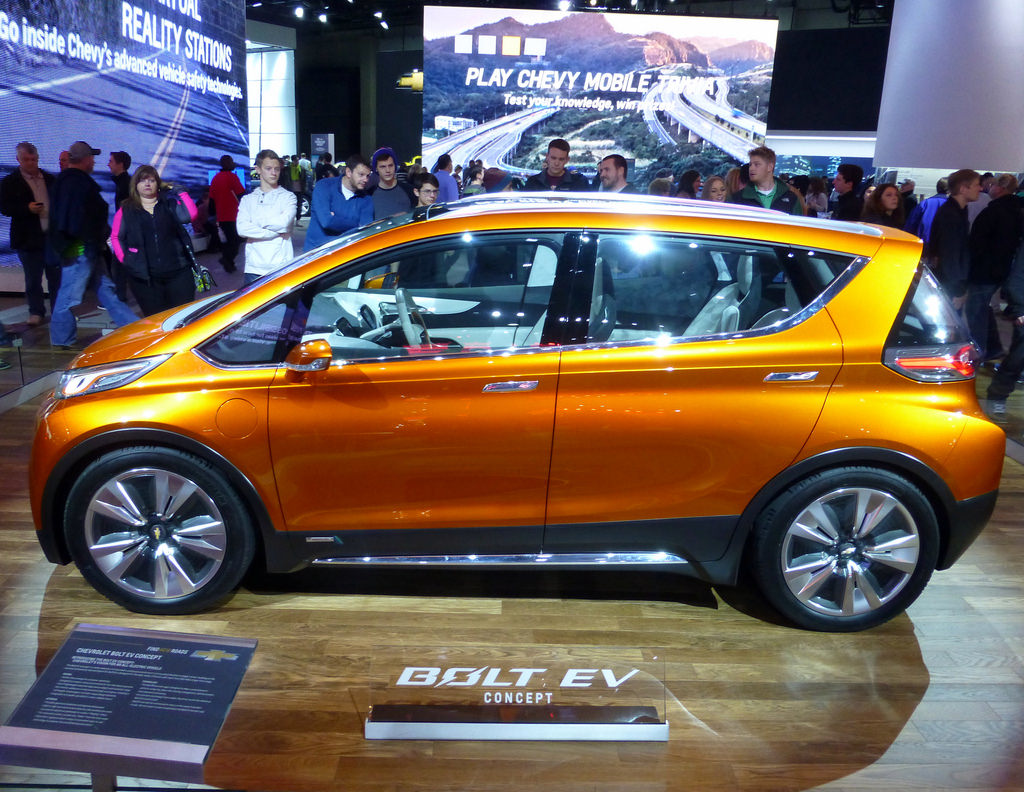
It seems GM has absolutely no intention of being left behind by tech giants when it comes to autonomous driving. The company is the first to mass-produce cars for the specific purpose of conducting driverless testing. GM just finished creating over 130 of these vehicles, on top of the 50 that it already had on the road.
GM has been a particularly enthusiastic participant in the rise of the self-driving market, investing heavily in research and development. On Tuesday, the company completed the 130 Chevrolet Bolts that were equipped with driverless technology, USA Today recently reported.
This event is significant due to how it shows GM’s commitment to being at the forefront of driverless technology development and deployment. It’s also indicative of how the autonomous driving industry is pretty much set to take over the auto market. As GM CEO and Chairman Mary Barra said on Tuesday, the car company has a huge advantage in this sector.
“The autonomous vehicles you see here today are purpose-built, self-driving test vehicles," Barra said. "The level of integration in these vehicles is on par with any of our production vehicles, and that is a great advantage. In fact, no other company today has the unique and necessary combination of technology, engineering and manufacturing ability to build autonomous vehicles at scale."
Having such extensive expertise in the auto market certainly puts GM in the unique position to absolutely dominate the competition. Sure, Ford and Tesla are also getting in the game with varying successes, but there’s no denying GM’s considerable presence either.
At the end of the day, the clear winner of these developments is those investing in a driverless future. Right now, autonomous driving is still quite the niche market, Futurism reports. However, with studies indicating that it could be worth $7 trillion annually in just a few decades, this is not going to be the case for long.







