


 SpaceX Delays Starship V3 Launch Ahead of Potential Record IPO
  SpaceX Starship V3 Test Flight Boosts IPO Momentum Ahead of Historic Market Debut
  SpaceX IPO Hype Raises Questions as Many Major Stock Debuts Underperform Market
  Lam Research Expands AI-Powered Semiconductor Tools and Arizona Operations
  Kentucky School District Secures $27 Million in Social Media Addiction Lawsuit Settlements
  Samsung Union Dispute Escalates Over Semiconductor Bonus Vote
  Macquarie Names Five Taiwan AI Stocks Set to Benefit From Data Center Growth in 2026
  PDG Explores $1 Billion Sale of China Data Center Assets
  Elon Musk Explores Possible Tesla-SpaceX Merger Amid Growing AI Investments
  EU Antitrust Probe Could Lead to Massive Google Fine Under DMA Rules
  Samsung to Invest $1.5 Billion in Vietnam Semiconductor Testing Plant by 2027
  Xiaomi Shares Drop After Weak Q1 Earnings Amid Rising Smartphone Costs
  Mega IPOs Like SpaceX and OpenAI Could Reshape S&P 500 and Nasdaq 100 Portfolios in 2026
  MongoDB Q1 FY2027 Earnings Beat Expectations, Raises Full-Year Outlook
  US Quantum Stocks Surge After $2 Billion Government Investment
  Salesforce Q1 FY2027 Earnings Beat Expectations Despite Soft Q2 Revenue Outlook
  Meta Subscription Push Could Add Billions in Recurring Revenue, Says Rosenblatt


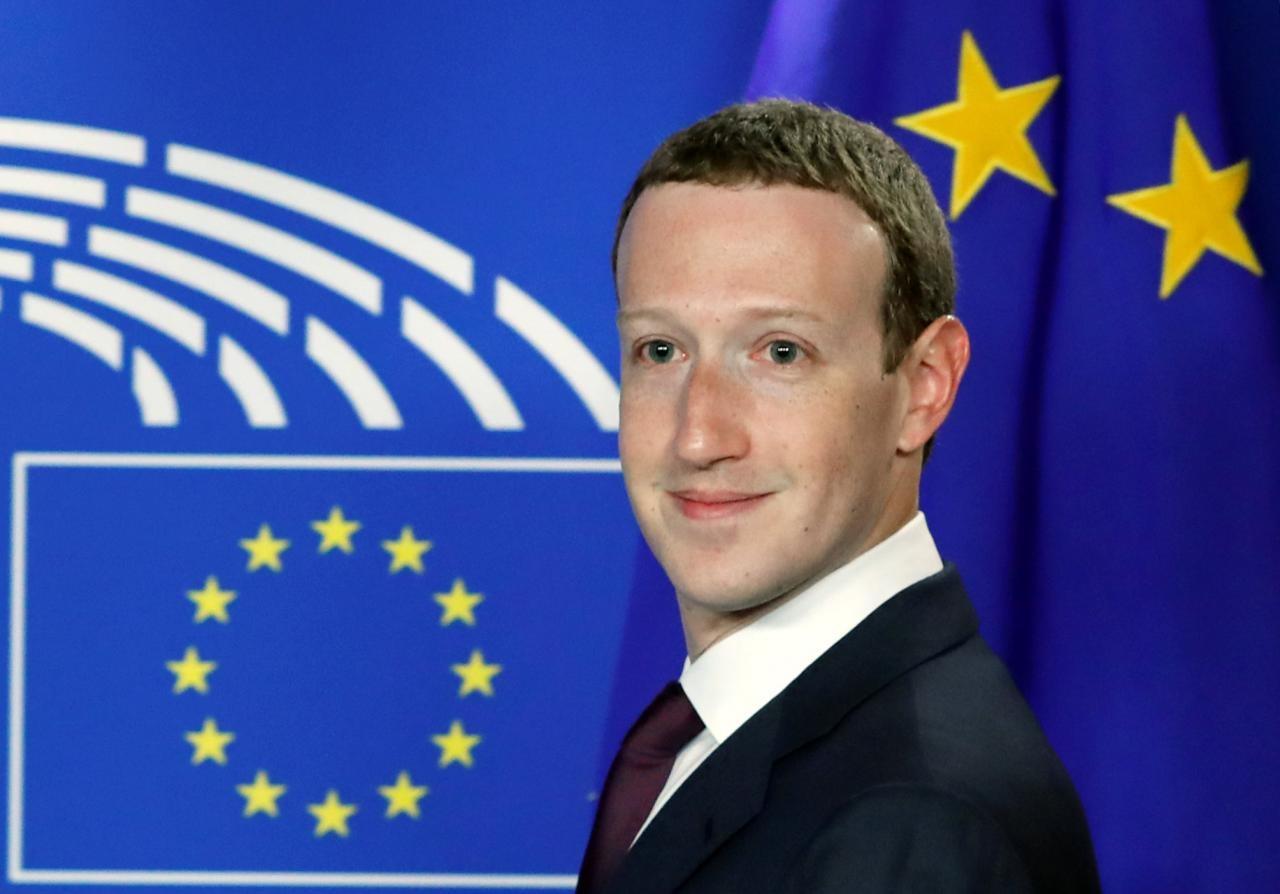
Facebook co-founder and CEO Mark Zuckerberg once again faced public officials, this time of the European Union, to address inquiries related to the latest massive data leak from the social media platform. But frustrations ensued as Zuckerberg had a pretty smooth exit leaving many questions unanswered, thanks to the selected format for the hearing.
As a recap, it was revealed earlier this year that analytics firm Cambridge Analytica covertly collected millions of user data from Facebook. These were later sold and reportedly used to observe people’s online behavioral patterns and for targeting voters.
The data leak scandal has already landed Zuckerberg an appearance at the Capitol Hill last month. Then on Tuesday in Brussels, Belgium, he appeared before the EU Parliament for another round of explaining and apologizing for the leak of personal information of at least 50 million Facebook users.
However, many were left frustrated at how easily Zuckerberg was able to dodge many pressing inquiries from the Members of the European Parliament (MEPs) largely due to the chosen format for the said hearing. The said format meant that the hearing would run for only 90 minutes. Each MEP would give their questions before Zuckerberg could answer.
Questions from the MEPs would have tackled various important issues such as data privacy, how social media is also used to promote terrorism and the spread of fake news. German MEP Manfred Weber even brought up “Facebook’s monopoly” and suggested that it might be the time to consider “breaking up” that power.
Weber’s question was followed by the Belgian MEP Guy Verhofstadt and asked Zuckerberg whether Facebook would agree to be looked into on the grounds of European antitrust policies.
According to CNET, it took over 60 minutes before all MEPs finished asking their questions, meaning Zuckerberg only had under 30 minutes to provide his sought-after explanations and promises.
People following the news have expressed their disappointment to the result of the hearing and, ultimately, to the EU Parliament’s chosen format. Meanwhile, even some MEPs were also vocal in criticizing how the hearing was handled.
In fact, as Zuckerberg hinted he was closing his speech at the hearing, Verhofstadt made sure to call out the Facebook CEO on record saying, “I asked you six yes-and-no questions, and I got not a single answer.” As a response, Zuckerberg promised to address all the MEPs questions in a follow-up written letter. Verhofstadt later posted on Twitter and called the format “pre-cooked” and “inappropriate” and that it “ensured Zuckerberg could avoid our questions.”
The EU Parliament hearing turned out to be a major miss for concerned Facebook users in Europe especially now that Zuckerberg had previously declined invitation from United Kingdom’s Digital, Culture, Media and Sport Select Committee for their own hearing.







