


 Trump Plans Federal AI Force and AI Czar
  OpenAI Urges US-Led Global Standards for Frontier AI
  Novo Nordisk Weighs Direct NYSE Listing to Boost U.S. Profile
  US Northeast Airports Resume Operations After Telecom Outage Disrupts Thousands of Flights
  NASA, Boeing Discuss Expanding Starliner Missions
  White House Bars CNN, MS NOW and Politico Reporters
  Paramount-Warner Bros $110 Billion Deal Draws Antitrust Backlash
  Supertanker Orders Surge as US-Iran War Reshapes Oil Trade
  Trump Bans CNN, MS NOW and Politico From White House
  CNN, MS NOW and Politico Sue Trump Over White House Media Ban
  US Federal Register Drops Alibaba Qwen AI Search Tool
  Westinghouse Targets $50 Billion Valuation in U.S. IPO
  Japan, U.S. Discuss $19 Billion GlobalFoundries Chip Plant
  Petrobras Joins Brazil’s New Diesel Subsidy Program
  Apple Pay Set for India Launch With Axis Bank
  Hyundai CEO Warns Chinese Automakers Could Disrupt US Market


 Add as a preferred source on Google
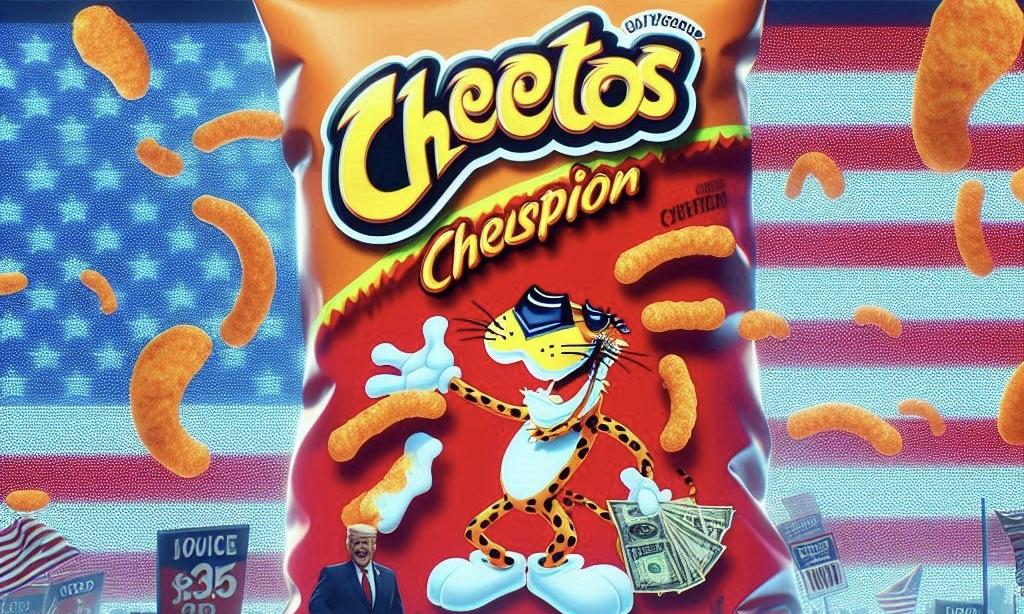
Frito-Lay, a unit of PepsiCo, will lower prices on its snacks, including Cheetos after consumers reacted strongly to years of price hikes. This move follows a 0.5% drop in second-quarter revenues.
Frito-Lay Responds to Consumer Backlash with Planned Price Cuts Amid Inflation Woes
A snack manufacturer has finally acknowledged that the cost of a bag of Cheetos is exceeding $6, which is causing consumers to experience financial hardship.
Frito-Lay, a PepsiCo refreshment unit, is currently experiencing a backlash from consumers after years of price increases. The company, which manufactures most of America's favored chips, such as Doritos, Ruffles, and Lay's, disclosed a 0.5% decrease in second-quarter revenues on July 11. The decline occurs after Frito-Lay's approximately $7 billion increase in net revenues between 2020 and 2023, according to Fortune.
PepsiCo management stated in prepared remarks that "tighter household financial conditions" have resulted from years of persistent inflation. The snack giant's performance has been "subdued" as consumers have become more "value-conscious."
In a call with investors, Ramon Laguarta, the chairman and CEO of PepsiCo, announced that Frito-Lay intends to reduce the price of sure salty treats and increase the marketing of others in light of this realization.
“There is some value to be given back to consumers after three or four years of a lot of inflation,” Laguarta added.
Laguarta stated that Frito-Lay will employ a well-known strategy to regain consumers' trust: investing in value-based agreements. Various food retailers, including grocery stores and fast food chains, have recently implemented promotions to attract consumers who prioritize value. Frito-Lay is prepared to capitalize on the current bargaining trend with its customers, similar to Whole Foods' $2 Tuesday rotisserie chickens and McDonald's new $5 menu.
“It seems that customers are gravitating toward where they feel the best deal is right now,” Whole Foods CEO Jason Buechel previously told Fortune.
In response to numerous inquiries from investors on Thursday, Laguarta concurred, acknowledging that consumers would require "new entry points" and "new promotional mechanics."
Chip Prices Soar 30% Since 2020, Sparking Debt Among Younger Consumers
Some consumers may argue that it is a matter of time. According to Federal Reserve data, the average price of potato chips in June 2024 was $6.56, a nearly 30% increase from the $5.09 price in June 2020, the pandemic's peak.
The May 2024 Consumer Food Insights Report from Purdue University indicates that over 80% of consumers believe that food prices have increased in the past year, either slightly or significantly. This sentiment is not limited to potato chips. The same report revealed that 37% of Gen Zers and millennials who enjoy chips dive into debt or reduce their savings to pay for food.
Furthermore, when consumers were requested to identify the products and services that experienced the most significant year-over-year price increases, "food" emerged as the most popular option, surpassing categories such as housing and childcare.
The White House disputes the influence of inflation on food prices, arguing that consumer purchasing power at grocery stores has increased. A recent report from the White House indicates that grocery inflation has decreased in recent months. Additionally, the Consumer Price Index indicates that wages have increased by approximately 3.9%, while at-home food prices have increased by only 1% over the past year.
However, that data fails to account for the years of consistent price increases resulting from compounding inflation; consumables have increased by approximately 25% since 2021.
“Consumers feel like prices are increasing because they still are,” Kendall Meade, a certified financial planner at SoFi, told Fortune. “While inflation may be slowing down, it has not stopped and we are not seeing disinflation.”
Nevertheless, the abrupt realization that revenues are declining may catalyze food retailers to implement permanent price reductions in addition to promotional offers.
Peter Galbo, an analyst at Bank of America, stated to the Washington Post that food companies, including Conagra, which dominates the frozen meals section at grocery stores, have attempted to attract consumers by offering temporary discounts over the past six months.
“But a lot of the promotional activity that they’ve put in place hasn’t really worked,” Galbo said. “So now it becomes a question of whether they need more permanent reductions on price.”







