


 Lula Meets Mamdani in New York as Elections Approach
  South Korea to Brief Lawmakers on $350 Billion US Investment Package
  Marco Rubio to Meet Russia’s Lavrov in New York
  Trump Meets Venezuela’s Delcy Rodriguez at UN Assembly
  Gold Slides to $4,262 as Hawkish Fed Rate Hike Triggers Technical Breakdown
  Big AI wants to slow down AI research. Is it a safety pause or a strategic retreat?
  Trump Says U.S.-Iran Peace Deal Near After UN Talks
  US, Denmark and Greenland Set to Sign Arctic Security Deal
  Canada Unveils Bill to Fast-Track Major Resource Projects
  CNN, MS NOW and Politico Sue Trump Over White House Media Ban
  Russian Strikes Kill Eight Across Ukraine as Energy Sites Hit
  Carney Condemns Belleville Synagogue Shooting That Wounded Police Officer
  Europe can’t achieve space sovereignty alone. Here’s why


 Add as a preferred source on Google
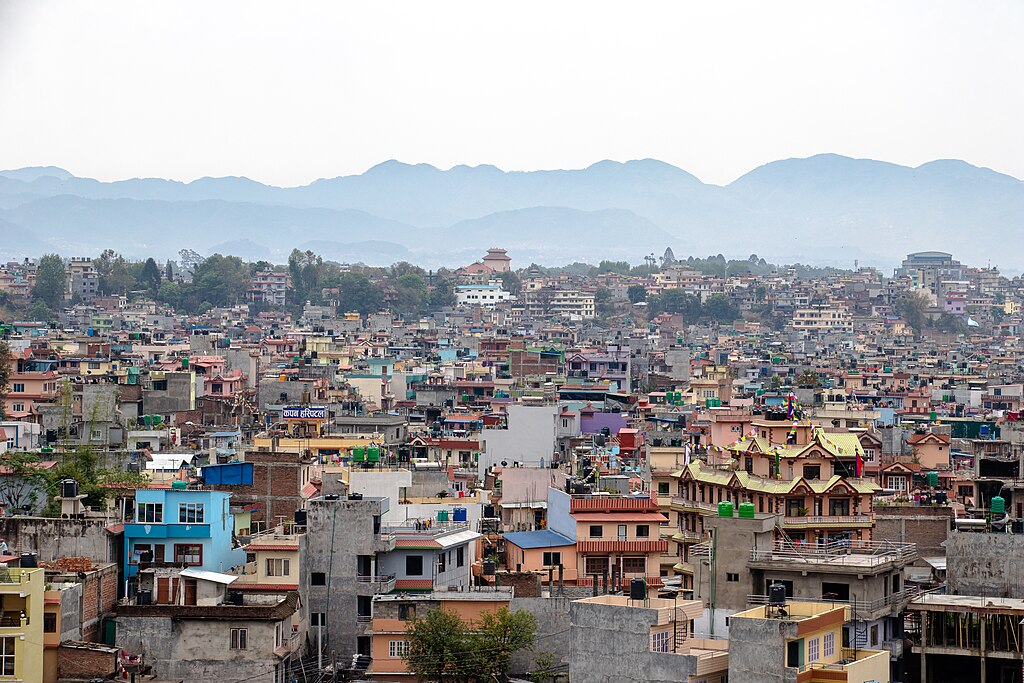
Nepal’s recent social unrest has raised concerns over the country’s economic stability, with global rating agency Fitch cautioning that ongoing risks may weigh on its fiscal outlook and credit profile.
According to Fitch, while calm has largely returned, the violent protests have already left a mark on Nepal’s short-term growth potential. The unrest disrupted normal business activity, reduced consumer spending, and weakened investor confidence, all of which are critical drivers of economic recovery.
The rating firm highlighted that prolonged instability could further strain Nepal’s fiscal health, potentially affecting its ability to manage debt and sustain creditworthiness. Economic slowdowns often impact government revenues through lower tax collections, while rising political and social tensions may also pressure public spending.
Nepal has faced multiple economic challenges in recent years, including sluggish growth, a heavy reliance on remittances, and rising external pressures. The latest unrest compounds these issues, creating additional uncertainty for investors and businesses. Fitch noted that confidence recovery will be key in restoring momentum, but the near-term outlook remains fragile.
Despite the risks, the agency suggested that stability measures and reforms could help mitigate long-term fallout. Maintaining fiscal discipline and implementing policies to support investment and growth will be essential to safeguard Nepal’s credit metrics.
The recent developments underscore the vulnerability of emerging economies like Nepal to political and social disruptions. As global investors monitor the region closely, Fitch’s warning serves as a reminder that sustained peace and stability are critical for economic resilience and credit stability.
With Nepal seeking to strengthen growth and attract foreign investment, addressing these risks promptly will be vital to protect its fiscal health and economic future.







