


 TSMC Japan's Second Fab to Produce 3nm Chips by 2028
  Microsoft Eyes $7B Texas Energy Deal to Power AI Data Centers
  Meta and Google just lost a landmark social media addiction case. A tech law expert explains the fallout
  Apple Turns 50: From Garage Startup to AI Crossroads
  California's AI Executive Order Pushes Responsible Tech Use in State Contracts
  NASA Artemis II: First Crewed Moon Mission Since Apollo Takes Four Astronauts on 10-Day Lunar Journey
  OpenAI Executive Shake-Up Ahead of Anticipated 2026 IPO
  Makemation: a Nollywood movie that shows AI in action in Africa
  Microsoft's $10 Billion Japan Investment: AI Infrastructure and Data Sovereignty Push
  Britain Courts Anthropic Amid US Defense Department Dispute
  Cybersecurity Stocks Tumble After Anthropic's Claude Mythos AI Leak Sparks Market Fears
  NASA's Artemis II Mission: First Crewed Lunar Journey Since Apollo
  SpaceX Eyes Historic IPO at $1.75 Trillion Valuation
  SMIC Allegedly Supplies Chipmaking Tools to Iran's Military, U.S. Officials Warn
  SK Hynix Eyes Up to $14 Billion U.S. IPO to Fund AI Chip Expansion
  Federal Judge Blocks Pentagon's Blacklisting of AI Company Anthropic
  Annie Altman Amends Sexual Abuse Lawsuit Against OpenAI CEO Sam Altman


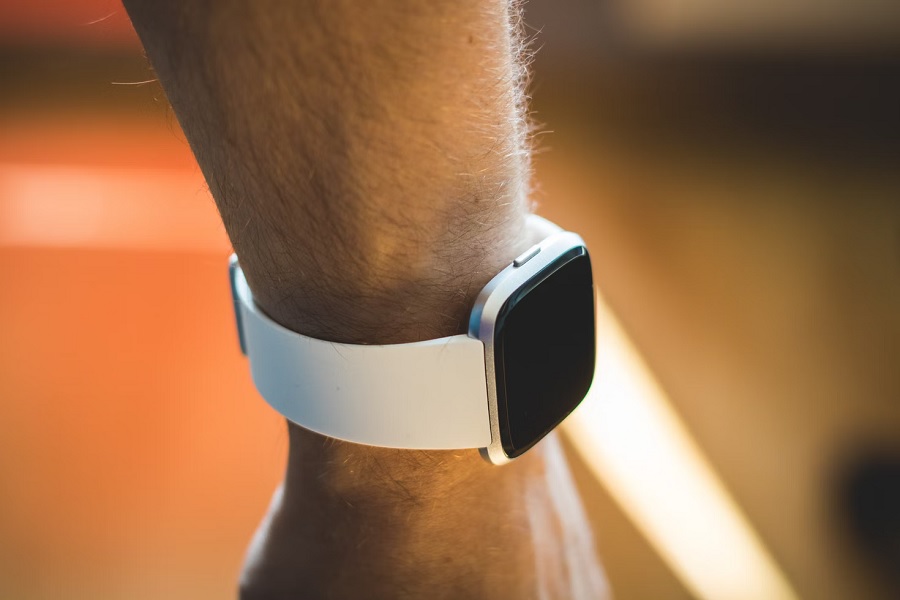
Fitbit has reportedly started rolling out its newest health feature that detects atrial fibrillation (AFib). The report comes just weeks after the company received clearance from the United States Food and Drug Administration for its technology that uses a photoplethysmography (PPG) algorithm.
An update that utilizes Fitbit’s AFib detection technology has started to roll out on several devices on Monday, 9To5Google reports. The wearable devices expected to receive this feature are Fitbit Sense, Fitbit Versa 3, Fitbit Versa 2, Fitbit Versa Lite, and Fitbit Charge 5. Fitbit Luxe, Fitbit Charge 4, Fitbit Charge 3, and Fitbit Inspire 2. The same report noted that alerts of potential AFib will be delivered as “Irregular Heart Rhythm” notifications through the Fitbit app.
On a page on Fitbit’s official website, Fitbit users will find what the Irregular Heart Rhythm alert will look like. It will appear on the app’s notification panel with the messages, “We saw signs of an irregular rhythm that may be AFib in multiple readings.” Fitbit users will then be provided with suggestions on what to do next, including a recommendation to consult with their healthcare provider and a warning not to change their medication based on the device’s readings.
AFib is one of the most common types of irregular heartbeat or arrhythmia. Mayo Clinic says AFib is not usually life-threatening but it can lead to blood clots in the heart and increases the risks of stroke and heart failure, so it could require treatment. John Hopkins Medicine also says AFib affects more than 5 million adults in the U.S., while other research estimates up to 12.1 million people will be affected by this condition by 2030.
While AFib is typically detected by ECG reading, as mentioned, Fitbit leverages its PPG algorithm to detect irregular heartbeat. In an earlier blog post, the company said its technology was 98 percent accurate in detecting AFib episodes that were also confirmed through an ECG.
It is worth noting that Fitbit has had an ECG app for a while now. But it needs Fitbit users to interact with the device to monitor their heart activity. Fitbit’s AFib detection, on the other hand, will function in the background and will take readings even when the user is asleep.







