


 Oil Prices Extend Losses as U.S.-Iran Talks Ease Supply Fears
  Yen in Focus as BOJ, Fed Rate Hikes Reshape Currency Markets
  Dollar Hits Two-Month High as Fed Rate Hike Bets Rise
  Asian Currencies Muted as Dollar Firms Ahead of Trump-Xi Summit
  Wall Street Surges as Meta Leads AI Rally, Oil Prices Fall
  Oil Prices Rise as U.S.-Iran Talks Fuel Diplomacy Hopes
  Gold Prices Rise as Oil Slide Eases Fed Rate Hike Fears
  RBA Says ASX Still Falls Short on Governance and Risk Controls
  US-China Talks Target AI, Tariffs Ahead of Trump-Xi Summit
  Gold Prices Hold Steady Ahead of Trump-Xi Summit, Middle East Risks
  France Debt-to-GDP Ratio Seen Hitting Record 119.3% in 2026
  U.S. Dollar Hits Eight-Week High After Fed Rate Hike
  Vietnam, US Trade Deal Could Be Signed Soon, To Lam Says
  Gold Prices Slip as Strong Dollar and Hawkish Fed Pressure Bullion


 Add as a preferred source on Google
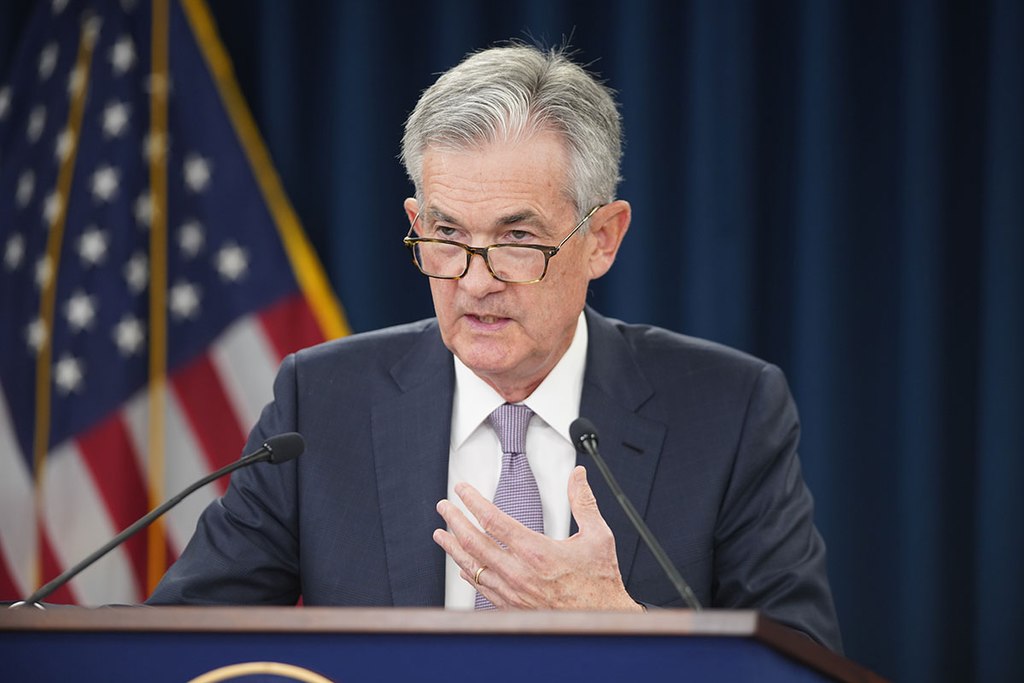
Federal Reserve Chair Jerome Powell is steering the institution into a new era, one defined by restraint and a focus on traditional monetary policy. After nearly two decades of unconventional measures, the Fed is retreating from its outsized role in economic policy and adopting a simpler, more targeted approach. Analysts argue this shift reflects a healthier economy but warn of potential challenges under the incoming Trump administration’s economic agenda.
For years, the Fed played a central role in the U.S. economy, deploying trillions of dollars in emergency measures during the 2007-2009 financial crisis and the COVID-19 pandemic. Powell’s tenure has seen a pivot to stabilizing inflation and reducing the Fed’s balance sheet, signaling a return to pre-crisis normalcy. Former St. Louis Fed President James Bullard noted, “It’s kind of plain vanilla in that respect. Times have changed.”
This evolving policy framework is central to a conference in Washington this week, where experts, including Powell allies, will discuss the Fed’s strategy to sustain price stability and employment.
Inflation Battles and Reduced Intervention
Super-Low Rates No Longer Needed
The Fed’s aggressive rate hikes in 2022 and 2023 marked a sharp departure from the ultra-low rates that defined the past decade. Analysts suggest that inflation pressures, while under control, remain elevated enough to keep rates above historic lows. Powell has indicated the Fed’s ability to manage the economy through traditional rate adjustments, reducing reliance on the unconventional tools used during the Great Recession.
TradeStation strategist David Russell remarked, “The economy and stock market simply don’t require super-low rates anymore. Trade and tax policy will probably matter more than monetary policy going forward.”
Preemptive Policy Actions Regain Favor
Economists are advocating for a return to pre-crisis practices, emphasizing the importance of controlling inflation before it destabilizes the economy. Research from the Brookings Institution highlights the necessity of preemptive monetary actions, urging the Fed to avoid relying on policies that prioritize a “hot labor market.”
Social Media Reacts to Powell’s Vision
The Fed’s new direction has ignited conversations across social media, with reactions ranging from cautious optimism to outright skepticism:
- @EconWatcher: “Powell’s ‘boring’ Fed might just be what the U.S. needs. Stability over fireworks! #MonetaryPolicy”
- @InvestorAlarmed: “How does Powell plan to handle Trump’s trade policies? Tariffs could disrupt this so-called stability.”
- @PolicyPragmatist: “We’re finally moving back to basics, but inflation’s ghost isn’t gone yet. Stay vigilant.”
- @FedCritic: “Recession risk isn’t off the table. Are we sure ‘boring’ is the answer?”
- @MarketOptimist: “A simpler Fed means more room for private sector growth. Let’s embrace this new chapter.”
- @SkepticalTrader: “Powell’s ‘plain vanilla’ strategy sounds good until the next crisis hits. What then?”







