


 Najib Razak Granted House Arrest Until 2028
  Nvidia-Groq AI Chip Deal Faces U.S. Antitrust Probe
  Trump Administration Prepares Sanctions Against Entire ICC
  Maduro Seeks Dismissal of US Drug Trafficking Charges
  China Tightens Fentanyl Rules Ahead of Trump-Xi Summit
  Rodrigo Duterte Makes First Public Appearance at ICC in 18 Months
  US Court Approves airBaltic Chapter 11 Restructuring
  Trump Administration Plans Faster FDA Reviews for Smoke-Free Nicotine Products
  Abbas Reaffirms November 28 Palestinian Elections
  North Korea Rejects Nuclear Test Warning, Calls Nuclear Status Irreversible
  SEC Seeks ISS Client Voting Records in Proxy Adviser Probe
  Paramount-Warner Bros $110 Billion Deal Draws Antitrust Backlash
  Judge Orders Trump to Restore White House Access for CNN, MS NOW and Politico
  Trump Asks Supreme Court to Restore Third-Country Deportations
  U.S. Imposes New Visa Restrictions Over South Africa Policies
  Sara Duterte Posts Bail Over Grave Threats Case
  What ‘Taiwan Independence’ Means as Xi Presses Trump on US Policy


 Add as a preferred source on Google
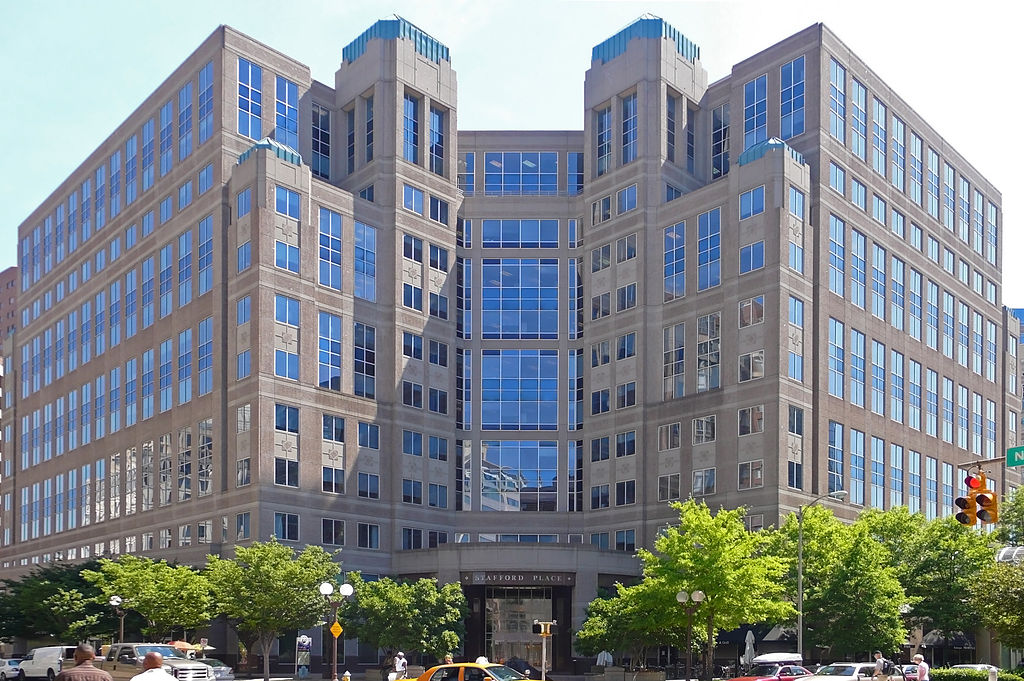
A federal judge has blocked the National Science Foundation (NSF) from enforcing a controversial policy that would have sharply reduced indirect cost reimbursements to U.S. universities conducting scientific research. The NSF’s May 2 policy imposed a 15% cap on how much grant money could be used for overhead costs such as lab maintenance, electricity, and administrative staff—significantly lower than the 50–65% rates many institutions had previously negotiated.
U.S. District Judge Indira Talwani, appointed by President Obama, ruled the NSF's decision “arbitrary and capricious,” siding with a lawsuit filed by the Association of American Universities, two academic groups, and 13 major institutions including MIT, Princeton, and the University of California. The plaintiffs argued that such cuts would severely damage America’s scientific competitiveness.
The NSF, which has a $9 billion budget, claimed the cap was aimed at curbing rising administrative expenses, which had reached $1.07 billion out of its $4.22 billion higher education research grant pool. The Trump administration had also frozen billions in research funds across agencies, including NIH and the Department of Energy, targeting programs deemed misaligned with its priorities.
The court's ruling follows similar injunctions against funding restrictions at NIH and the Department of Energy. Meanwhile, a separate 15% cap adopted by the Department of Defense has also been temporarily blocked, with a court hearing scheduled for July 2.
Universities assert that reduced funding for indirect costs undermines the infrastructure essential for cutting-edge research. The decision is seen as a victory for academic institutions defending their ability to support federally funded research amid growing political and fiscal pressures.
Neither the NSF nor the White House responded to requests for comment following the ruling.







