


 CFTC Moves to Define Prediction Markets as Swaps
  CNN, Politico and MS NOW Seek Court Order Blocking Trump White House Ban
  Binance Pay Goes Live at PayPay Merchants in Japan
  Trump Praises Boeing 737 Max After Flydubai Crash Attempt
  Colombia Extradites FARC Dissident Leader ‘Spider’ to US
  Apple CEO John Ternus Plans Major Overhaul
  Coinbase, Visa Back Open USD Stablecoin Launch
  Google Pays Publishers for AI Search Content in New Pilot
  US Backs Musk in Fight Against EU’s €120 Million X Fine
  France Defends Netanyahu Airspace Clearance Despite ICC Warrant
  Paramount-Warner Bros $110 Billion Deal Draws Antitrust Backlash
  LVMH-Hermès Dispute Deepens Over Secret 2002 Share Deal
  TikTok Reaches $100 Million Alabama Settlement Over Child Safety Claims
  Standard Chartered Sees Ethena ENA Hitting $2 by 2028
  DaVoice Sues Perplexity AI Over Trade Secrets
  Cboe Extends SPX Options Deal, Eyes Tokenized Contracts
  Robinhood Chain Meme Coins Slide as Stock Token Locks Rise


 Add as a preferred source on Google
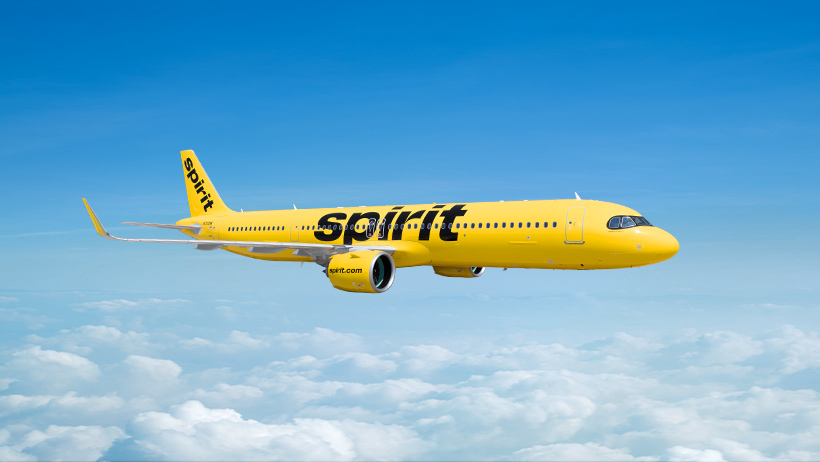
In a recent decision, U.S. District Judge William Young in Boston has blocked JetBlue Airways' planned $3.8-billion acquisition of Spirit Airlines. The judge agreed with the U.S. Department of Justice, stating that the deal was anticompetitive and would harm ticket buyers.
This ruling, Reuters noted, marks a victory for the White House in its efforts to prevent further consolidation in the U.S. airline industry.
Impact on the Market
The Associated Press reported that the acquisition would have created a merged entity that controls 10.2% of the domestic market, challenging larger carriers' dominance. However, Judge Young recognized that the deal would likely increase competitive pressure on these larger carriers.
Despite this, he highlighted the harm that would befall Spirit Airlines and its unique, low-price model. This ruling raises concerns about the viability of other proposed mergers within the industry.
Elimination of Low Fares
Judge Young noted that the acquisition would eliminate Spirit Airlines' low fares and its ability to pressure other airlines, including JetBlue, to reduce prices. When Spirit enters a market, rivals typically lower prices by 7% to 11%. Consumers value this unique, economical product option, and its removal is seen as a tangible harm.
President Joe Biden hailed the ruling as a victory for consumers, emphasizing the importance of lower prices and more choices. Spirit Airlines' future is questioned as the carrier has struggled financially due to rising operating costs and persistent supply chain issues. The ruling led to a significant drop in Spirit's shares and a slight increase in JetBlue's shares.
The Courthouse Doors Remain Open
Both JetBlue and Spirit Airlines have the option to appeal the ruling. While the ruling favors the Justice Department, Judge Young did not completely bar any combination of the two companies. He said the deal could be revisited if additional asset divestitures are made.
This ruling has broader implications for the U.S. airline industry and its ongoing consolidation efforts. It signifies a concerted effort to protect fair competition and prevent further concentration of market power. The fate of other proposed mergers, such as Alaska Air's acquisition of Hawaiian Airlines, may now be scrutinized.
Judge Young clarified that the courthouse doors remain open should the defendant airlines choose to pursue the deal again. This leaves room for future negotiations or modified proposals that address anticompetitive concerns and protect consumer interests.







