


 BOJ Raises Interest Rates to 1% as Inflation Pressures Persist
  South Korea’s KOSPI Plunges as Apple Price Hikes and OpenAI IPO Delay Shake AI Chip Stocks
  White House Seeks $87.6 Billion Emergency Funding for Iran War, Farmers, and Ebola Response
  South Korea Signals Possible Interest Rate Hike as Inflation Remains Elevated
  Indonesia Central Bank to Draft New Regulations After Expanded Economic Growth Mandate
  Malaysia Central Bank Moves to Support Ringgit Amid Foreign Fund Outflows
  Goldman Sachs Sees Fed Holding Interest Rates Steady Until 2027
  Iran Attack in Strait of Hormuz Pushes Oil Prices Higher
  Gold Falls Below $4,000 as Strong Dollar and Fed Rate Hike Expectations Weigh on Prices
  Wall Street Ends Mixed as Tech Stocks Struggle Ahead of Micron Earnings
  South Korea’s KOSPI Jumps Over 5% as Samsung, SK Hynix Rally on Micron Earnings Boost
  Jerome Powell Warns Against Politicizing the Federal Reserve, Defends Democratic Institutions
  New Zealand Unemployment and Inflation Debate Intensifies Ahead of 2026 Election
  Oil Prices Rebound as Strait of Hormuz Tensions Return After Ship Attack Near Oman
  Trump Requests $11 Billion More in Farm Aid as Rising Costs Pressure U.S. Farmers


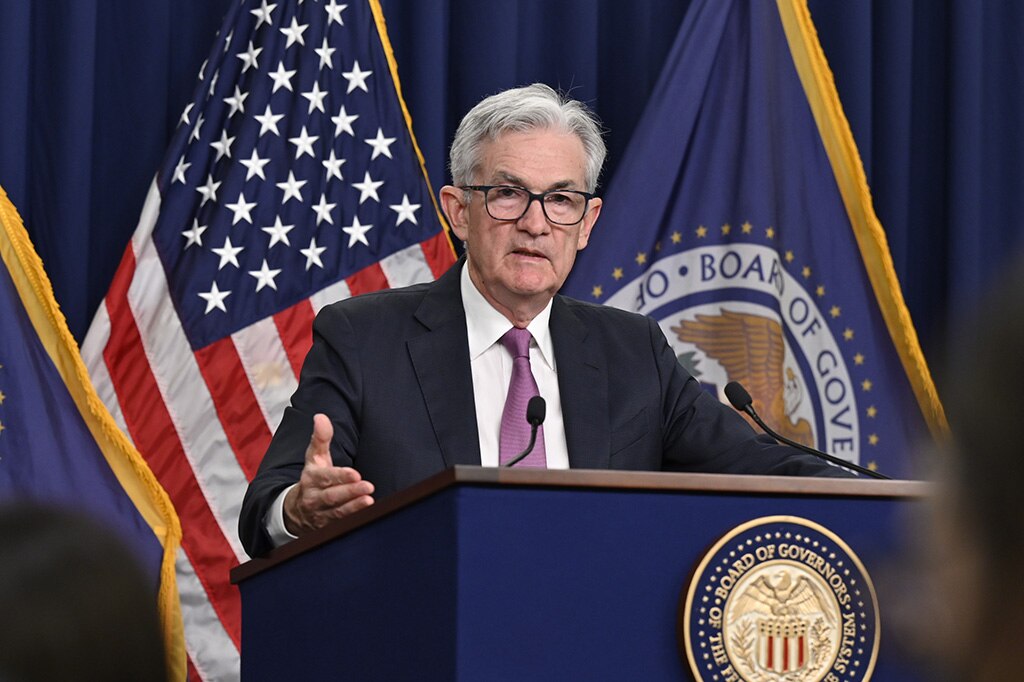
Federal Reserve Chair Jerome Powell acknowledged significant uncertainty Wednesday, stating policymakers "just don't know" how rising oil prices stemming from the ongoing Middle East conflict will ultimately impact U.S. inflation and economic growth.
The Federal Open Market Committee (FOMC) kept its benchmark federal funds rate unchanged at 3.50%–3.75% for a second straight meeting, following three cumulative rate cuts totaling 75 basis points late last year. The decision aligned with widespread market expectations.
The Fed's updated dot plot continued signaling at least one rate cut in 2025 and another in 2027, but policymakers revised their core PCE inflation forecast upward to 2.7% for 2026, compared to December's 2.5% projection. Powell attributed the revision partly to surging energy costs and limited progress on tariff-related price pressures.
Since hostilities began in late February, Brent crude has surged nearly 50%, pushing U.S. gasoline prices to their highest levels since October 2023. Powell acknowledged higher energy costs would filter into overall and core inflation, but stressed it remains too early to gauge the full economic impact. He emphasized the Fed would monitor how long current geopolitical conditions persist before adjusting its policy stance.
Market strategists noted the decision, while unsurprising, reflects a narrowing path forward for the central bank. With inflation stubbornly above the Fed's 2% target and labor market signals turning mixed, analysts expect a prolonged higher-for-longer interest rate environment.
On the topic of leadership succession, Powell confirmed his term ends May 15, 2026, with Kevin Warsh nominated as his replacement. However, Senate confirmation remains stalled. Powell stated he would serve as chair on a provisional basis if his successor is not confirmed in time, and expressed his intention to remain on the Fed's board until an ongoing DOJ investigation concludes transparently.
Wall Street ended lower following Powell's press conference.







