


 Yen Weakens as Dollar Gains on Widening US-Japan Rate Gap
  Oil Prices Rise as U.S.-Iran Talks Fuel Diplomacy Hopes
  France Debt-to-GDP Ratio Seen Hitting Record 119.3% in 2026
  Gold Prices Hold Steady Ahead of Trump-Xi Summit, Middle East Risks
  Yen in Focus as BOJ, Fed Rate Hikes Reshape Currency Markets
  US-China Talks Target AI, Tariffs Ahead of Trump-Xi Summit
  S&P 500 Historically Rallies After Midterm Elections, UBS Says
  Oil Prices Extend Losses as U.S.-Iran Talks Ease Supply Fears
  Vietnam, US Trade Deal Could Be Signed Soon, To Lam Says
  Canada Unveils Bill to Fast-Track Major Resource Projects
  Wall Street Surges as Meta Leads AI Rally, Oil Prices Fall
  Asian Stocks Mixed Ahead of Trump-Xi Meeting
  Asian Currencies Muted as Dollar Firms Ahead of Trump-Xi Summit
  Oil Prices Rise as Houthi Strikes on Riyadh Fuel Middle East Tensions
  Gold Prices Rise as Oil Slide Eases Fed Rate Hike Fears
  Asia Stocks Rise on AI Demand as Oil Eases
  South Korea to Brief Lawmakers on $350 Billion US Investment Package


 Add as a preferred source on Google
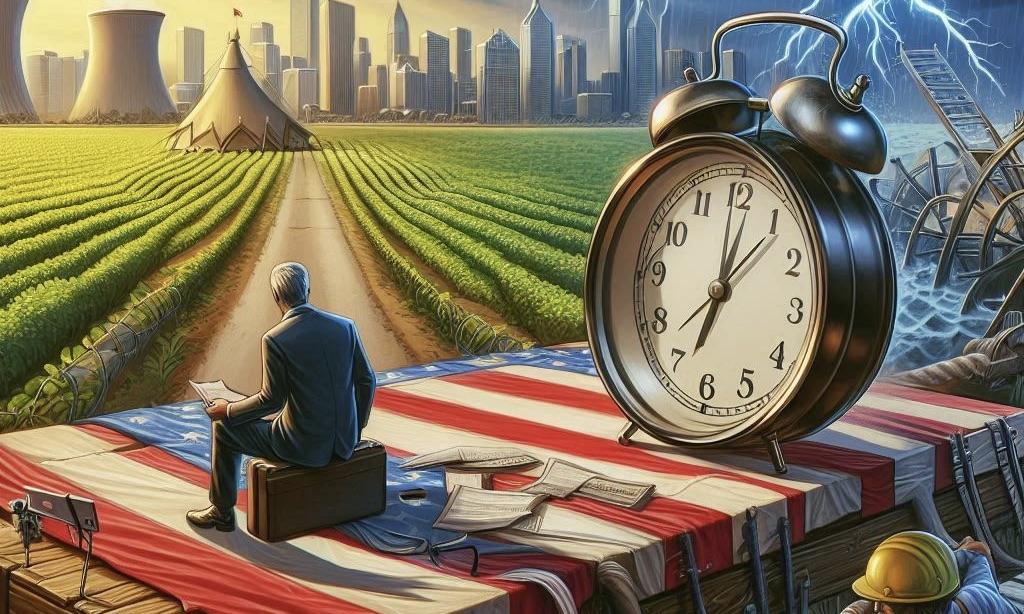
Jerome Powell, the US Federal Reserve Chairman, cautioned Congress on July 9 that maintaining high interest rates for too long could harm economic growth and employment. He emphasized the importance of carefully timing rate cuts to balance inflation control and economic stability.
Fed Chair Jerome Powell Warns Congress: High Interest Rates Could Threaten Economic Growth and Jobs
On July 9, the US Federal Reserve chairman Jerome Powell cautioned Congress that maintaining interest rates at an excessively high level would jeopardize economic growth and employment, per The Guardian.
"The risk we encounter is not limited to elevated inflation," stated Powell.
In a congressional hearing, Powell underscored the Federal Reserve's meticulous approach to the timing of rate cuts, with inflation suppression remaining a top priority. This careful consideration should reassure the audience of the thoroughness of the decision-making process.
Powell stated that the United States is no longer an overheated economy and that the employment market has "cooled considerably" from its initial surge following the pandemic's initial impact.
“We know that reducing policy restraint too soon or too much could stall or even reverse the progress we have seen on inflation,” he told the US Senate Banking, Housing, and Urban Affairs Committee. “At the same time, in light of the progress made both in lowering inflation and in cooling the labor market over the past two years, elevated inflation is not the only risk we face.”
“Reducing policy restraint too late or too little could unduly weaken economic activity and employment.”
Fed Weighs Next Steps After Rate Hikes; Inflation Remains Above Target Despite Recent Progress
The American central bank is determining its subsequent actions after increasing interest rates to a two-decade high to reduce inflation.
Even though price growth has decreased from its most recent highs in a generation, it has remained persistently higher than the 2% target set by Federal Reserve officials amidst ongoing apprehensions regarding the cost of living in the United States.
The Federal Reserve is scheduled to hold its subsequent rate-setting meeting after July. According to economic projections released by the Federal Reserve last month, Fortune reported that most of the central bank's policymakers anticipate that rates will be reduced once or twice this year.
Powell expressed confidence in price expansion. "The most recent monthly readings have demonstrated modest further progress," he stated, following a lack of progress toward our 2% inflation objective early this year.
Powell emphasized that the Fed's confidence in the sustainable movement of inflation toward its 2% objective would be bolstered by the accumulation of "more good data" following this modest progress.
Photo: Microsoft Bing







