


 Google promotes ‘teacher approved’ apps for kids. Here’s what parents should know
  The Beauty Beneath the Expressway: A Journey from Self to Service
  Office design isn’t keeping up with post-COVID work styles - here’s what workers really want
  Every generation thinks they had it the toughest, but for Gen Z, they’re probably right
  Time to buy local: war fuel price shocks reveal the folly of a long food supply chain
  The pandemic is still disrupting young people’s careers
  Disaster or digital spectacle? The dangers of using floods to create social media content
  Want to cut your energy bills? Here’s how five experts are doing it
  Booked to travel through the Middle East? Here’s why you shouldn’t cancel your flight
  What’s the difference between baking powder and baking soda? It’s subtle, but significant
  Why have so few atrocities ever been recognised as genocide?
  Why a ‘rip-off’ degree might be worth the money after all – research study
  The ghost of Robodebt – Federal Court rules billions of dollars in welfare debts must be recalculated
  Stuck in a creativity slump at work? Here are some surprising ways to get your spark back
  6 simple questions to tell if a ‘finfluencer’ is more flash than cash
  Why financial hardship is more likely if you’re disabled or sick


 Add as a preferred source on Google
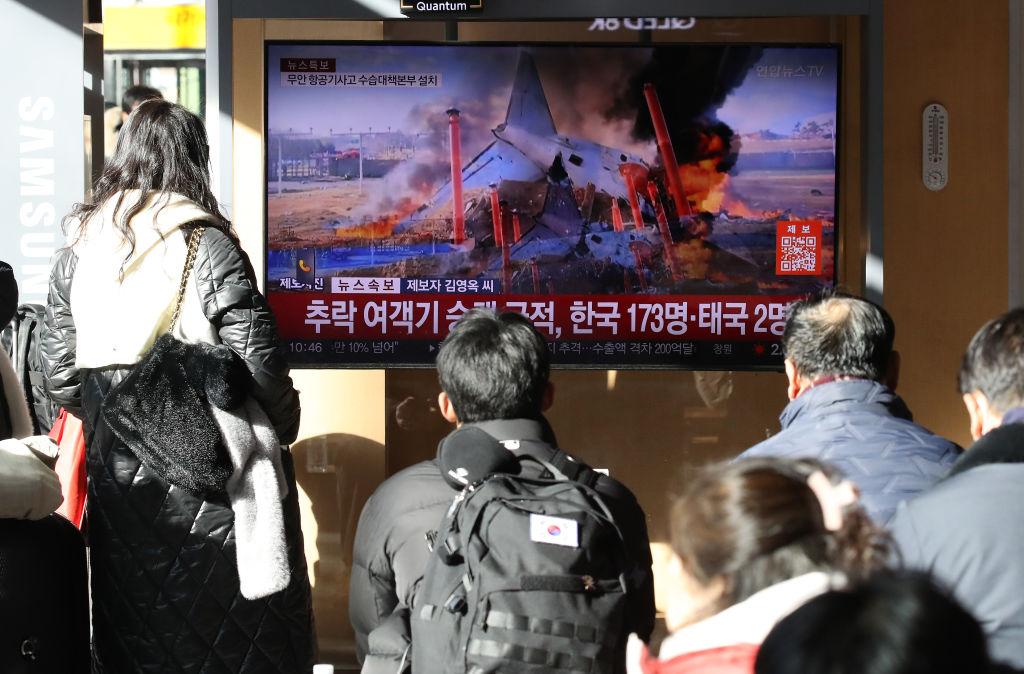
The devastating crash of a Jeju Air Boeing 737-800 in South Korea, which claimed the lives of 179 people, has reignited global attention on the dangers posed by bird collisions. Initially identified as a potential cause of the tragedy, bird strikes remain a persistent threat to aviation safety worldwide. South Korean authorities are conducting a comprehensive inspection of all 101 Boeing 737-800 aircraft in operation.
Bird Strikes: A Growing Threat to Aviation
As air traffic continues to surge post-pandemic, the frequency of bird strikes has risen significantly. In the United States alone, the Federal Aviation Administration (FAA) reported 17,190 bird strikes in 2022, reflecting a 10% increase from the previous year. Since 1990, over 291,600 collisions between wildlife and civil aircraft have been recorded in the U.S., underscoring the scale of the issue.
Globally, bird strikes have destroyed 250 aircraft since 1988, resulting in 262 fatalities, according to the Australian Aviation Wildlife Hazard Group. The financial toll is equally staggering, with annual damages exceeding $1.2 billion. These incidents predominantly occur during takeoffs and landings at low altitudes, though high-altitude strikes, while rare, can have catastrophic consequences.
The Complex Mechanics of Bird Strikes
Experts emphasize that most bird strikes cause minimal damage, typically limited to dents or scratches on an aircraft's fuselage. However, the risk escalates when birds are ingested into an engine, potentially damaging the compressor. This can lead to engine failure, precautionary landings, or interrupted takeoffs.
Aviation safety expert and former investigator for France's Bureau of Enquiry and Analysis for Civil Aviation Safety noted that engine failure in one engine is manageable due to redundancy systems. Yet, simultaneous failures in both engines, as suspected in the Jeju Air crash, are exceedingly rare.
Historical incidents like the 2009 emergency landing on the Hudson River by a US Airways Airbus A320, which struck a flock of geese, demonstrate the importance of pilot expertise in mitigating disaster. Despite the rarity of fatal cases, bird strikes continue to pose serious risks during migratory periods when bird activity near airports intensifies.
Public Reactions: A Global Call for Action
The tragic incident in South Korea has sparked widespread reactions on social media, with many demanding stronger measures to prevent similar occurrences.
Twitter user @FlySafeNow wrote, “This heartbreaking crash is a wake-up call. We need immediate improvements in bird strike prevention strategies.”
Another user, @WingsWatcher, tweeted, “Bird strikes are preventable with better tech and planning. Why are we still seeing these tragedies?”
Meanwhile, @AeroExpert commented, “Airports need stricter protocols. Bird distress calls and deterrents can’t be optional anymore.”
Criticism also poured in from users like @GlobalTravelPro, who said, “$1.2 billion in damages annually, yet little change in prevention tactics? Unacceptable for the aviation industry.”
Others expressed grief for the victims, with @SkyTales adding, “My thoughts are with the families. This loss is unimaginable.”
@EcoAviation also highlighted environmental concerns, stating, “Human expansion near wildlife habitats is driving these incidents. Time to rethink airport locations.”
Enhancing Safety Measures
Airports and manufacturers are already implementing strategies to minimize bird strike risks. Engine stress tests using bird simulators, bird distress calls, and preventive gunfire near airports are common deterrents. However, experts believe more innovative solutions, such as advanced radar systems and habitat management, are essential to address this growing threat.
As the investigation into the Jeju Air crash continues, the tragedy serves as a stark reminder of the complex relationship between aviation and the natural world.







