


 The pandemic is still disrupting young people’s careers
  6 simple questions to tell if a ‘finfluencer’ is more flash than cash
  Want to cut your energy bills? Here’s how five experts are doing it
  1 in 3 uni students experience serious financial hardship. Could concession cards for all help?
  Booked to travel through the Middle East? Here’s why you shouldn’t cancel your flight
  Stuck in a creativity slump at work? Here are some surprising ways to get your spark back
  Locked up then locked out: how NZ’s bank rules make life for ex-prisoners even harder
  Office design isn’t keeping up with post-COVID work styles - here’s what workers really want
  Britain has almost 1 million young people not in work or education – here’s what evidence shows can change that
  Google promotes ‘teacher approved’ apps for kids. Here’s what parents should know
  Glastonbury is as popular than ever, but complaints about the lineup reveal its generational challenge
  Why a ‘rip-off’ degree might be worth the money after all – research study
  AI is driving down the price of knowledge – universities have to rethink what they offer
  How to support someone who is grieving: five research-backed strategies


 Add as a preferred source on Google
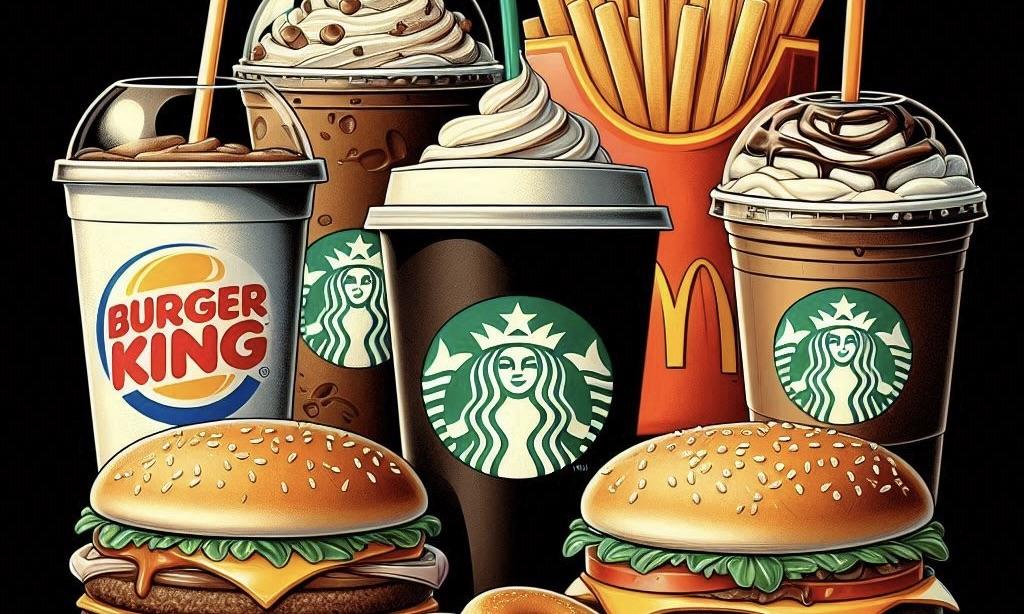
In recent years, fast food chains like McDonald's, Burger King, Starbucks, and Dunkin' have expanded their menu options to cater to various dietary preferences and health conditions. Among these considerations is the ketogenic diet, which is often used by individuals with epilepsy to help manage their symptoms. While fast food may not traditionally align with dietary restrictions, certain menu items can accommodate specific needs for those following this medical protocol.
The Ketogenic Diet and Epilepsy
The ketogenic diet, characterized by low carbohydrate and high fat intake, has long been associated with epilepsy management, particularly in cases where medication proves less effective. By forcing the body into a state of ketosis, this diet can reduce seizure frequency for some individuals. For epilepsy patients adhering to this regimen, finding suitable options at fast food chains can be a challenge, but not an impossible one.
Top Picks at Popular Chains
Here’s a breakdown of the best menu items that align with ketogenic principles and could benefit individuals with epilepsy:
-
McDonald's: The iconic Egg McMuffin (without the muffin) is an ideal low-carb breakfast choice. For lunch or dinner, opt for a Quarter Pounder with Cheese, skipping the bun and ketchup, and pair it with side salads instead of fries.
-
Burger King: The Bacon King burger, sans the bun, can meet high-fat and low-carb requirements. Another suitable option is the Egg-normous Burrito, modified by removing the tortilla.
-
Starbucks: Keto-conscious patrons can enjoy a Keto Pink Drink (made with heavy cream and no classic syrup) or a Caffe Misto with almond milk for a low-carb caffeine fix. Their Egg Bites are also an excellent protein-rich choice.
-
Dunkin’: The Sausage, Egg, and Cheese Wake-Up Wrap can be customized by eliminating the wrap. Dunkin’s unsweetened iced coffee with a splash of cream is a popular keto-friendly beverage option.
Health Considerations
While these items can be modified to fit a ketogenic diet, fast food should be consumed in moderation. High sodium levels and processed ingredients common in fast food might pose risks for individuals managing epilepsy or other health conditions. Consulting a healthcare provider before making dietary changes is essential.
Criticism of Fast Food for Medical Diets
Despite the growing variety of fast food options, some critics argue that relying on these chains for specialized diets undermines the principles of whole-food-based nutrition. While occasional indulgence is acceptable, experts emphasize the importance of incorporating fresh, minimally processed foods into a long-term dietary plan.
A Step Toward Inclusivity
As awareness around dietary needs increases, fast food chains have taken steps to cater to diverse customer bases. This inclusivity signals progress in making everyday dining more accessible, even for those managing medical conditions like epilepsy.







