


 Annie Altman Amends Sexual Abuse Lawsuit Against OpenAI CEO Sam Altman
  NASA's Artemis II Mission: First Crewed Lunar Journey Since Apollo
  Apple Turns 50: From Garage Startup to AI Crossroads
  SpaceX Eyes Historic IPO at $1.75 Trillion Valuation
  Meta Ties Executive Pay to Aggressive Stock Price Targets in Major Retention Push
  Rubio Directs U.S. Diplomats to Use X and Military Psyops to Counter Foreign Propaganda
  California's AI Executive Order Pushes Responsible Tech Use in State Contracts
  Makemation: a Nollywood movie that shows AI in action in Africa
  SMIC Allegedly Supplies Chipmaking Tools to Iran's Military, U.S. Officials Warn
  Samsung Electronics Eyes Record Q1 Profit Amid AI-Driven Chip Boom
  Google's TurboQuant Algorithm Sends Memory Chip Stocks Tumbling
  Australia's Social Media Ban for Under-16s Sparks Global Movement
  SpaceX IPO Filing Expected This Week as Valuation Could Surpass $75 Billion
  Elon Musk Ties SpaceX IPO Access to Mandatory Grok AI Subscriptions
  Microsoft's $10 Billion Japan Investment: AI Infrastructure and Data Sovereignty Push
  Chinese Universities with PLA Ties Found Purchasing Restricted U.S. AI Chips Through Super Micro Servers
  Nanya Technology Shares Surge 10% After $2.5 Billion Private Placement from Sandisk and Cisco


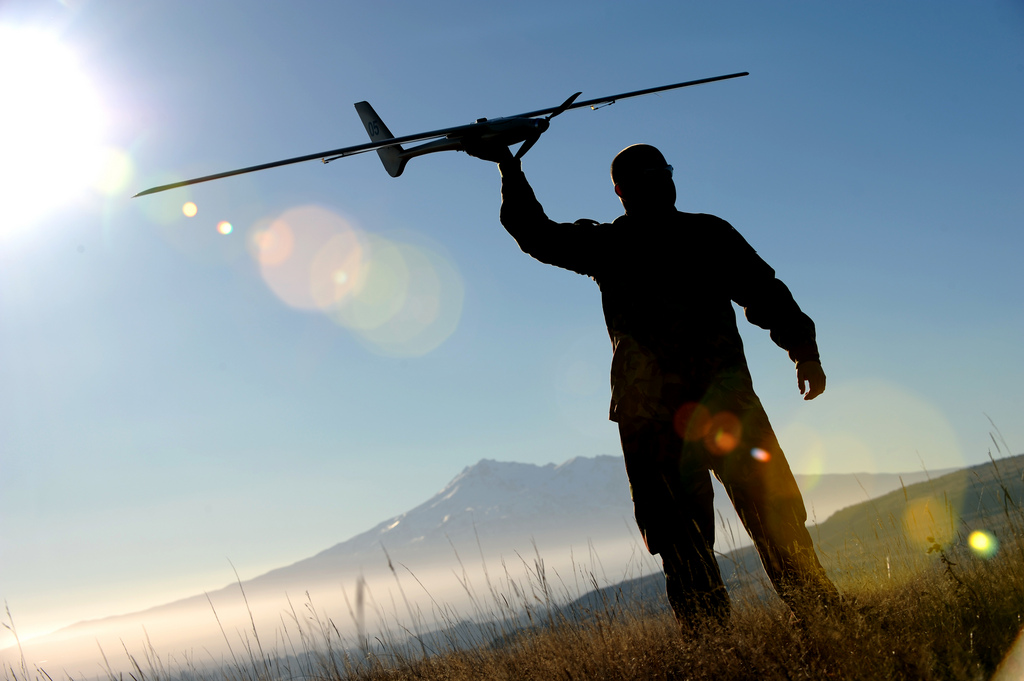
Facebook expressed its intent to connect the rest of the 4 billion people in the world to the internet in the past, and it seems to be making some progress on that front. The social network is planning on using drones equipped with lasers to communicate with each other and then beam the connection to rural areas that would otherwise be inaccessible by normal means. On top of that, Facebook is also planning on deploying indestructible access points that will receive cellular signals, which can be placed on any pole or tree branch.
As Tech Crunch reports, Facebook already launched solar-powered drones in an effort to connect areas that don’t have traditional structures to provide internet connection. The drones use lasers to provide limited internet connection at the moment, though, the developers are adamant that the technology will continue to evolve until it can compete with traditional internet setups.
Aside from the drones, the social network also plans to implement rugged connection points that will be able to withstand harsh conditions that prevent bigger cellular companies from investing in expensive structures in remote areas. This is in line with the “OpenCellular” initiative that Facebook is launching, which is an open source program that will allow even smaller businesses to set up their own cellular carrier services.
Kashif Ali is the Facebook engineer who is heading the project, according to Digital Trends, and he outlined the details of the social network’s plans for the initiative.
“One of the reasons the expansion of cellular networks has stalled is that the ecosystem is constrained,” Ali explained. “Traditional cellular infrastructure can be very expensive, making it difficult for operators to deploy it everywhere and for smaller organizations or individuals to solve hyperlocal connectivity challenges. It’s often unaffordable for them to attempt to extend network access in both rural and developed communities.”







