


 U.S. Disrupts Russian Military Hackers' Global DNS Hijacking Network
  NASA's Artemis II Mission: First Crewed Lunar Journey Since Apollo
  Makemation: a Nollywood movie that shows AI in action in Africa
  MATCH Act Targets ASML and Chinese Chipmakers in New U.S. Export Crackdown
  Reflection AI Eyes $25 Billion Valuation in Massive $2.5 Billion Funding Round
  TSMC Japan's Second Fab to Produce 3nm Chips by 2028
  Microsoft's $10 Billion Japan Investment: AI Infrastructure and Data Sovereignty Push
  Australia's Social Media Ban for Under-16s Sparks Global Movement
  Apple Turns 50: From Garage Startup to AI Crossroads
  OpenAI Executive Shake-Up Ahead of Anticipated 2026 IPO
  Microsoft Eyes $7B Texas Energy Deal to Power AI Data Centers
  Samsung Electronics Eyes Record Q1 Profit Amid AI-Driven Chip Boom
  Apple's Foldable iPhone Faces Engineering Setbacks, Mass Production Timeline at Risk
  Cybersecurity Stocks Tumble After Anthropic's Claude Mythos AI Leak Sparks Market Fears
  SMIC Allegedly Supplies Chipmaking Tools to Iran's Military, U.S. Officials Warn
  Google's TurboQuant Algorithm Sends Memory Chip Stocks Tumbling


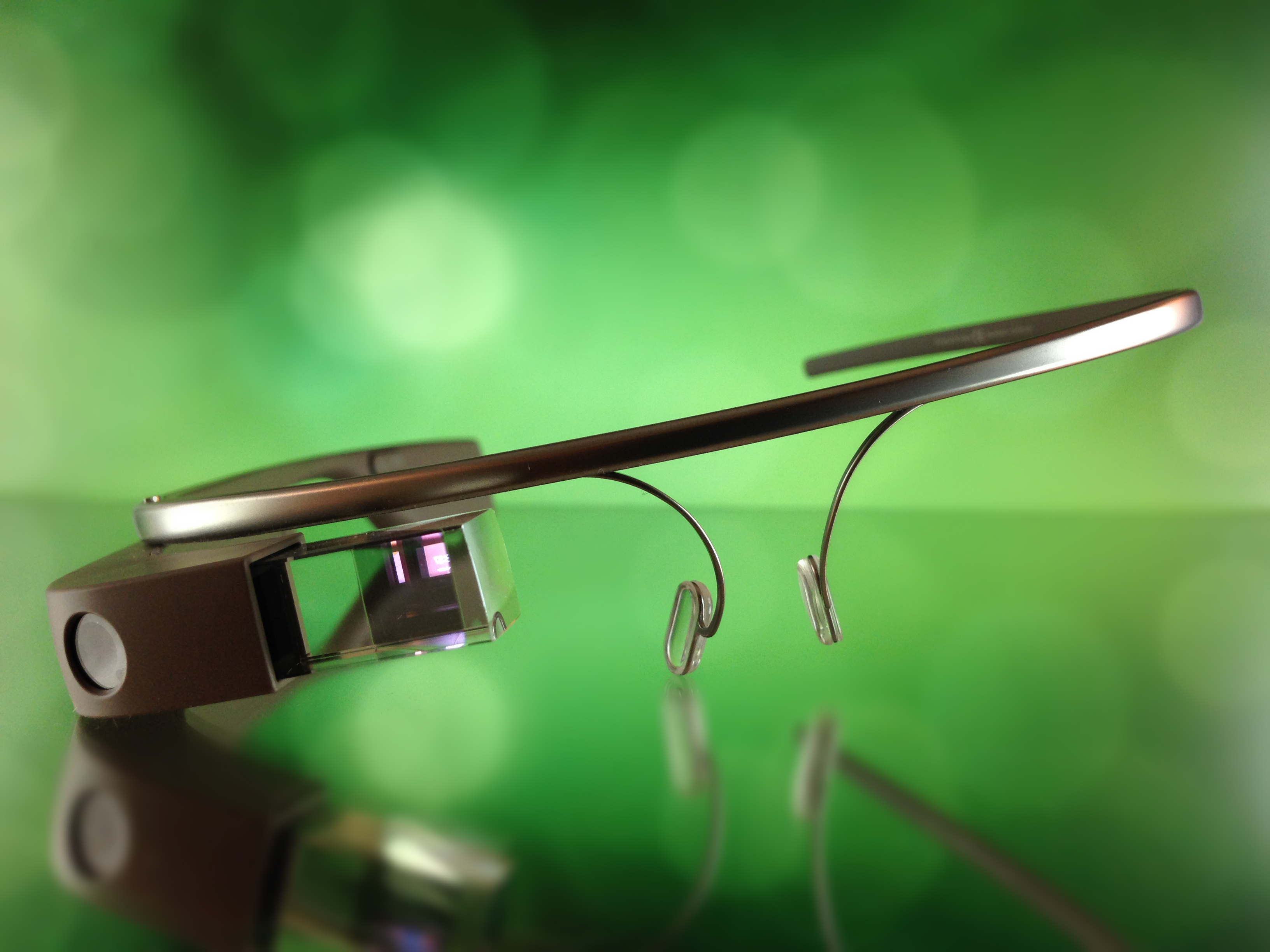
Despite all the advancements in technology, the main way for people to interact with the digital world has been the same for decades; i.e. TV screens and computer monitors. During the F8 Developers conference, Facebook asserted that both those things, as well as smartphones, would be phased out in the near future. In fact, an executive from the company boldly claimed that augmented reality glasses will be the new norm by 2022.
Michael Abrash, the chief scientist at Oculus Research, made the claim during the conference. According to him, the world is looking at a future where there will be no need for smartphones or any physical screens. Instead, humans will be viewing the world through AR glasses that superimpose digital information and objects over real objects, Business Insider reports.
It would seem that Facebook is already working on such a technology, with the goal being the creation of eyewear that is similar to the look and weight of conventional glasses worn by millions today. If the project proves successful, the glasses won’t look out of place on anyone’s face and yet will be able to provide information on subjects within visual range such as temperature, translations, and even object identification.
Now, Abrash fully admits that it will take decades before this vision is fully realized, but he didn’t shy away from declaring that in five years, AR technology could effectively make smartphones obsolete.
"Despite all the attention focused on AR today it will be five years at best before we’re really at the start of the ramp to widespread, glasses-based augmented reality before AR has its Macintosh moment," Abrash said.
Right now, Facebook is focused on laying down the foundation of the technology so that when it finally becomes available in its true form, everything is set to take advantage of its full potential. It would need to hurry up as well since both Snapchat and Apple are working on the same thing, CNET reports.







