


 Amazon Stock Rebounds After Earnings as $200B Capex Plan Sparks AI Spending Debate
  Palantir Stock Jumps After Strong Q4 Earnings Beat and Upbeat 2026 Revenue Forecast
  Tencent Shares Slide After WeChat Restricts YuanBao AI Promotional Links
  SpaceX Reports $8 Billion Profit as IPO Plans and Starlink Growth Fuel Valuation Buzz
  SoftBank and Intel Partner to Develop Next-Generation Memory Chips for AI Data Centers
  Instagram Outage Disrupts Thousands of U.S. Users
  Anthropic Eyes $350 Billion Valuation as AI Funding and Share Sale Accelerate
  Baidu Approves $5 Billion Share Buyback and Plans First-Ever Dividend in 2026
  Nvidia CEO Jensen Huang Says AI Investment Boom Is Just Beginning as NVDA Shares Surge
  Google Cloud and Liberty Global Forge Strategic AI Partnership to Transform European Telecom Services
  Nvidia, ByteDance, and the U.S.-China AI Chip Standoff Over H200 Exports
  Elon Musk’s Empire: SpaceX, Tesla, and xAI Merger Talks Spark Investor Debate
  Nvidia Confirms Major OpenAI Investment Amid AI Funding Race
  Nvidia Nears $20 Billion OpenAI Investment as AI Funding Race Intensifies
  OpenAI Expands Enterprise AI Strategy With Major Hiring Push Ahead of New Business Offering
  Nintendo Shares Slide After Earnings Miss Raises Switch 2 Margin Concerns
  Jensen Huang Urges Taiwan Suppliers to Boost AI Chip Production Amid Surging Demand


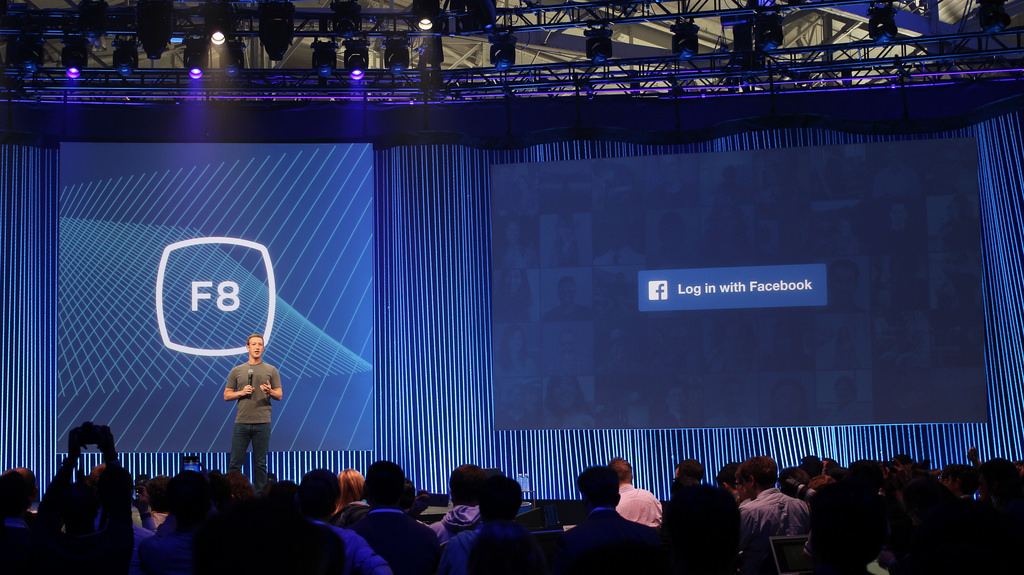
Facebook just launched its F8 conference and it is already making headlines due to Mark Zuckerberg’s comments. The tech figure touched on several subjects, but the one message that stands out most in his speech is the plan to end the world’s dependence on physical objects for digital interaction. This includes smartphones, TVs, computers, and even cinemas.
The world has known of Facebook’s ambition to make everything about augmented reality and virtual reality for some time. This was all laid out in the social network’s 10-year plan, Business Insider reports, where the company wants to integrate artificial intelligence along with AR and VR into its business plans.
As an example of what this future would look like, Zuckerberg introduced Camera Effects during his presentation, which is basically a way to add AR technology to the camera option on Facebook’s mobile apps. The company is opening this technology to other developers as well, which is meant to be a springboard for a new AR revolution. Think “Pokemon Go,” only with lots more developers in the mix.
Zuckerberg has never liked the idea that his company did not jump on board the emerging smartphone OS industry when it was still taking off. With his new plan, he is poised to create a future where smartphones or any physical device with a screen won’t be needed in the first place.
"We don't need a physical TV. We can buy a $1 app 'TV' and put it on the wall and watch it," Zuckerberg recently said to USA Today. "It's actually pretty amazing when you think about how much of the physical stuff we have doesn't need to be physical."
Discerning readers will already have seen that this plan puts Facebook in direct competition with some of the world’s biggest companies, on top of the ones that it is already going against. It is about to add Apple, Microsoft, Sony, LG, and so many others on that list.













