


 Japan Signals Preference for Low Interest Rates as BOJ Policy Debate Intensifies
  RBA Minutes Signal Australia Central Bank Remains Ready to Raise Interest Rates if Inflation Persists
  Taiwan Central Bank Likely to Keep Interest Rates Unchanged Through 2027
  Supreme Court Backs Lisa Cook, Defends Federal Reserve Independence Against Trump Firing Attempt
  Mary Daly Says AI Uncertainty Clouds Fed Rate Outlook Despite Restrictive Policy
  New Zealand Unemployment and Inflation Debate Intensifies Ahead of 2026 Election


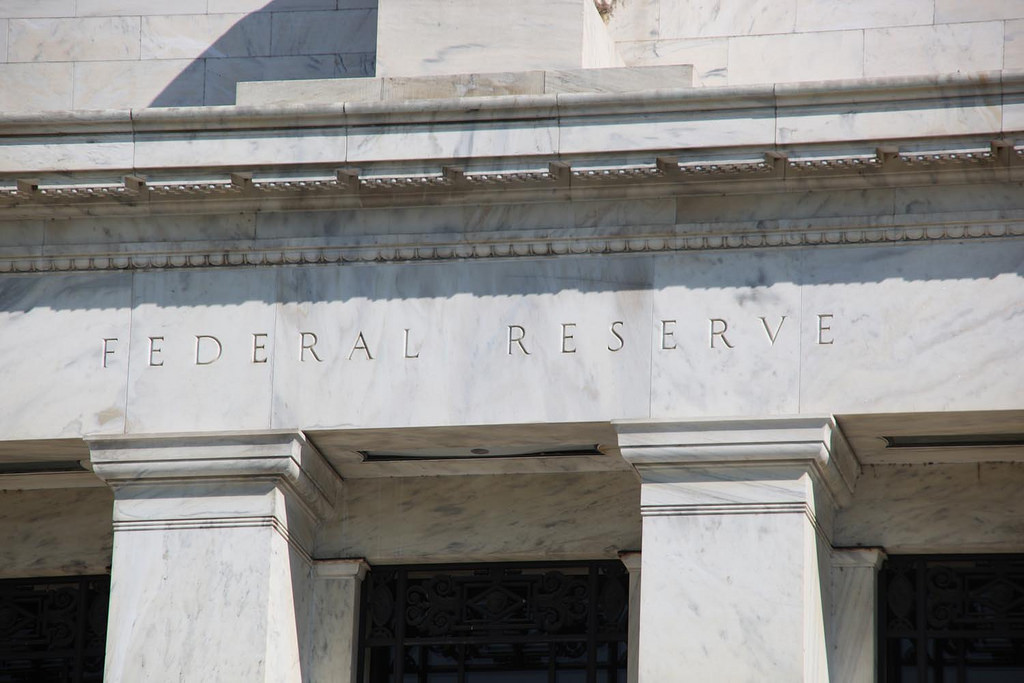
Yesterday, FOMC policymakers preferred to keep policy steady and not go for a hike. This was somewhat expected given the high event risks ahead next week- British referendum. There are lot to digest since it released projection materials along with the statement.
Let’s first assess the bias in monetary policy statement –
- Improvement in the labor market slowed, while growth economic activity picked up. (Neutral bias)
- Growth in household spending strong, housing sector continuing recovery, and drag from net exports has lessened. (Hawkish bias)
- Business fixed investment has been soft.
- Inflation below committee’s 2 percent long-run objective. A market-based measure declined but survey based long term measure little changed. (Neutral bias)
- FOMC expects inflation to remain low in the near-term but will reach 2 percent objective over the medium term as economic activity improves and labor market strengthens. (Neutral bias)
- FED is closely monitoring the global and domestic economic activity and inflation closely to decide on its next move. (Neutral bias)
- The Committee expects that economic conditions will evolve in a manner that will warrant only gradual increases in the federal funds rate. (Neutral bias)
In addition to the statement, projection material showed –
- FOMC participants downgraded their GDP growth projection for 2016 by 0.2 percentage points to 2 percent from March forecast and 0.1 percentage point for 2017 to 2.1 percent. However, it upgraded inflation forecast for 2016 to 1.4 percent and core inflation to 1.7 percent.
- FOMC maintained interest rate projections for this year same at 0.9 percent but downgraded forecast for 2017 by 30 basis points and 60 basis points for 2018.
Moreover, Kansas City FED president Esther George backed away from her call for rate hikes. Hence, FOMC is once again unanimous.
All in all, it would be fair to say, yesterday’s FOMC was a dovish but not an unexpected one.







