


 Venezuela Earthquake Health Risks Rise as Disease Monitoring Intensifies
  Alcohol is one of the most dangerous drugs, yet its presence is ubiquitous in social settings and celebrations
  Moderna Short Sellers Hit With $4.8 Billion Loss as Stock Soars
  Eli Lilly Eyes AtaiBeckley Acquisition to Expand Psychedelic Mental Health Pipeline
  FDA Investigates New Cyclospora Outbreak as U.S. Cases Continue to Rise
  AstraZeneca, Bristol Myers Squibb Explore Mega Merger Worth Nearly $400 Billion
  GLP-1 Weight-Loss Drug Use Surges Among U.S. Children
  France Battles Mediterranean Wildfires as Heatwave Fuels Fire Risk
  Hanmi Pharm Soars 30% on $2.3 Billion Genentech Obesity Drug Deal
  Novartis Shares Plunge After Muscle Drug Fails Phase III Trial
  France Keeps Top Health Alert as Officials Brace for Another Heatwave
  Novo Nordisk Eyes Turnaround as Oral Wegovy Challenges Eli Lilly in Weight-Loss Drug Race
  Novo Nordisk Strikes €1.17 Billion Nanexa Drug Delivery Deal
  US-Backed Pediatric HIV Treatment Drops After Foreign Aid Changes, Study Finds


 Add as a preferred source on Google
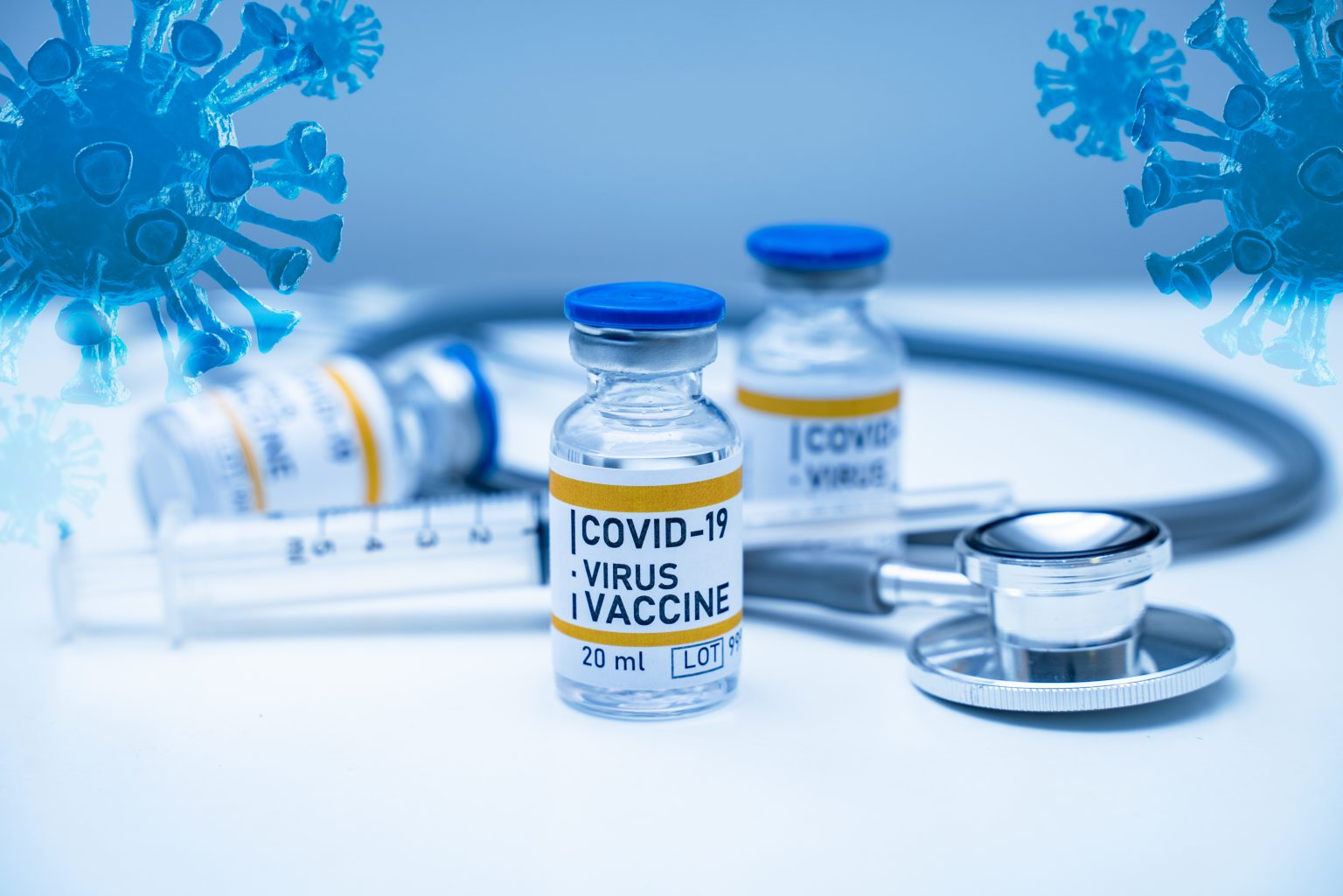

Soon, people in the U.S. will be able to pick up a rapid antigen test for COVID-19 from their local drugstore without a prescription, test themselves and process the results at home.
The Ellume COVID-19 Home Test that was granted an emergency use authorization from the Food and Drug Administration is expected to cost US$30, is easy to use and produces results within 20 minutes.
How does the test work?
The Ellume test is currently the most versatile rapid antigen test because it is authorized for testing anyone age 2 or over, whether they have symptoms or not. It is an antigen test that detects viral proteins, as opposed to the gold-standard PCR tests that detect viral genetic material.
The Ellume test includes a smartphone app that provides step-by-step instructions explaining how to take a nasal swab and place it into the small analyzer that processes the sample. The app connects to the analyzer via Bluetooth to display the test results on the user’s phone. It is also possible to transmit test results securely and anonymously to public health authorities via the app, which helps provide data to guide COVID-19 policy decisions.
How does the Ellume test compare to other rapid tests?
Independent testing by the National Institutes of Health confirmed that the Ellume COVID-19 Home Test successfully identified 96% of PCR-confirmed COVID-19 positive cases in people with symptoms and 91% of PCR-confirmed cases in people without symptoms. This is comparable to the Abbott BinaxNOW rapid test, another commonly used rapid antigen test, that reported agreement with PCR testing for 97.1% of COVID-19 positive cases with symptoms.
Health care providers have been using the Abbott BinaxNOW test for months, and it was also authorized for home use this week. However, it is less versatile than the Ellume test since the Abbot test requires a prescription and is currently only authorized for home use in people within seven days of the onset of COVID-19 symptoms.
How can this test be useful?
Widespread rapid antigen testing to slow COVID-19 transmission remains an important goal even though the FDA has already authorized a COVID-19 vaccine. At-home tests could boost testing rates by offering a quick and convenient alternative to testing at a doctor’s office or public testing site. Since the Ellume test is authorized for everyone, it should help identify COVID-19 cases in people without symptoms, which might otherwise go undetected.
Are there enough tests to make a difference?
Home-based antigen testing is one way to improve access to testing. While this test will help identify COVID-19 cases, the planned production of 20 million Ellume tests by mid-2021 still falls far short of meeting the overall need for testing in the U.S. to bring the pandemic under control. Some experts estimate that number could be as high as 14 million tests per day.
Additionally, the $30 cost of the test poses a potential barrier to widespread and frequent use. Ideally, screening tests should cost $1-$5 to achieve the high testing rates needed to control the spread of the virus. Ultimately, the FDA may need to authorize more rapid screening tests if the U.S. is to meet the demand for testing.
Even though there aren’t enough of these tests to dramatically change the testing landscape, rapid testing can still help identify contagious cases early so infected people can avoid spreading the virus. This type of easy-to-use rapid antigen testing could also be used to screen travelers entering the U.S.
It will take months for the U.S. to reach the vaccine-driven herd immunity threshold. In the meantime, rising vaccination rates and rapid antigen testing can work together to slow transmission and suppress the virus. The Ellume test is not a game changer, but every little bit helps.







