


 UOB Q2 Net Profit Rises 10% as Wealth Management Growth Boosts Earnings
  China Vows Retaliation Over U.S. Ban on Chinese Robots, Power Inverters
  CDC Expands Cyclospora Outbreak Investigation to 15 States as Lettuce Link Grows
  SanDisk Q4 Earnings Beat Estimates as Q1 Revenue Outlook Meets Expectations
  Siemens Energy Q3 Profit Beats Forecast as AI-Driven Power Demand Fuels Growth
  Sinopec Boosts Russian ESPO Oil Purchases as Middle East Supply Tightens
  Meta Ordered to Pay $567M Over Child Safety Violations in New Mexico
  T-Mobile Executives Reportedly Oppose $300 Billion Deutsche Telekom Merger
  US Supreme Court Lets $655.5 Million Judgment Against Palestinian Authorities Stand During Appeal
  Nvidia to Invest Up to $3 Billion in Blackstone-Backed Lancium
  Trump Orders Probe Into Pentagon Munitions Stockpile Leaks After Iran Conflict
  Samsung, SK Hynix Test AMEC Chipmaking Tools for China Backup Plan
  Western Digital Q4 Earnings Beat Estimates as FY2027 Outlook Tops Expectations
  Roblox Stock Drops 16% as Q3 Bookings Forecast Misses Expectations
  Nintendo Shares Jump as Switch 2 Sales Boost Earnings
  SoftBank Q1 Profit Beats Forecast as Intel Rally and OpenAI Investments Boost Returns
  Alphabet Stock Slides as Google AI Pioneer Jeff Dean Exits to Launch Discovery Loop


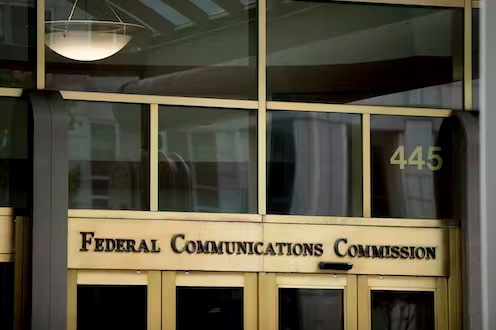
The Federal Communications Commission (FCC) has finalized new rules prohibiting Chinese laboratories considered national security risks from testing electronic devices—including smartphones, cameras, and computers—for the U.S. market. The decision, passed unanimously in a 4-0 vote, targets labs suspected of ties to the Chinese Communist Party, state-owned enterprises, or the Chinese military.
The FCC emphasized that all electronics imported into the U.S. must pass its equipment authorization process, with approximately 75% currently tested in China-based labs. FCC Chair Brendan Carr warned that compromised labs could allow insecure technologies into the U.S. telecom infrastructure, posing significant risks.
The new rules prevent any lab under the control of firms listed on the FCC’s “Covered List”—which includes Huawei, ZTE, Hikvision, Dahua, and Hytera—from certifying devices for U.S. use. The FCC will revoke recognition of any lab found to be linked to such entities. This follows a 2022 FCC ban on approvals for equipment from these firms.
In a further step, the FCC is soliciting public feedback on whether to broaden the testing ban to all labs in China and other nations classified as foreign adversaries. It also advanced a proposal that would require organizations with substantial ties to such countries to disclose all FCC-issued licenses and authorizations.
China’s Embassy in Washington condemned the move, accusing the U.S. of politicizing trade and technology under the guise of national security.
The FCC also disclosed ongoing investigations into nine Chinese firms, including Huawei, China Mobile, and China Telecom, to assess whether they are circumventing existing U.S. restrictions.
This regulatory shift reflects heightened scrutiny of Chinese tech companies and a broader push to safeguard U.S. telecommunications networks from potential foreign threats.







