


 US Sanctions Cuban President Miguel Diaz-Canel and Key Officials Amid Rising Tensions
  WiseTech Global Denies Knowledge of Investigation Into Founder Richard White
  Baseten Secures $1.5 Billion Funding at $13 Billion Valuation Amid AI Infrastructure Boom
  US Waives Iran Sanctions for 60 Days as Peace Talks Advance and Lebanon Sees Calm
  SpaceX Stock Rebounds After Sharp Selloff, But Valuation Concerns Persist
  US Expands Iran Sanctions, Targets Major Crypto Exchanges and Individuals
  Heineken Names JDE Peet’s CEO Rafael Oliveira as New Chief Executive
  KPMG Australia Chairman and Senior Partners Exit Amid Escalating Whistleblower Scandal
  Apollo Debt Solutions Limits Redemptions as Withdrawal Requests Surge
  Trump Orders DOJ Investigation Into Exxon, Chevron Over High Gas Prices
  Pelosi Discloses Major Intel and Uber Call Option Purchases Worth Up to $6 Million
  Tesla and NatPower Partner on $5 Billion Battery Storage Expansion in Europe
  Qualcomm Nears $4 Billion Acquisition of AI Chip Startup Modular
  Trump’s Quantum Push Lifts IBM Stock as CEO Arvind Krishna Receives White House Praise
  Meta Challenges Australia’s Proposed Tech Tax, Citing U.S. Trade Agreement Concerns
  US Urges Europe to Impose Ebola Travel Restrictions Ahead of FIFA World Cup 2026


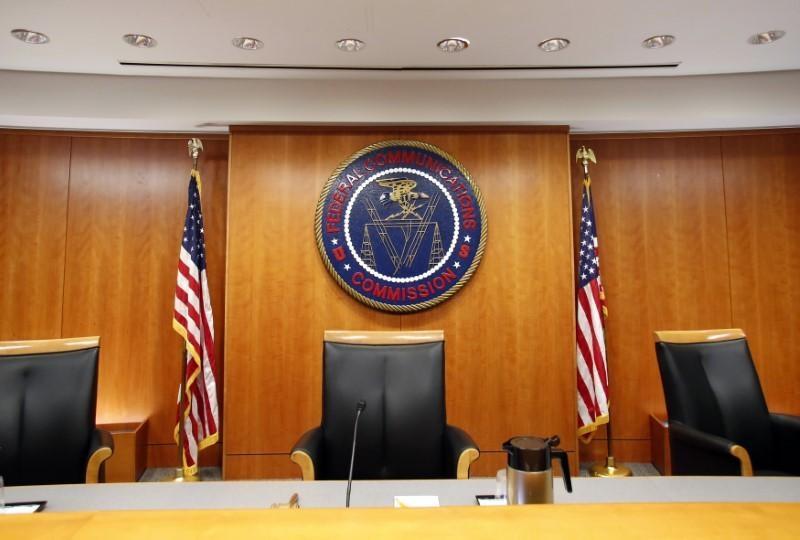
The U.S. Federal Communications Commission (FCC) has approved SpaceX’s request to deploy an additional 7,500 second-generation Starlink satellites, marking a major step forward in the company’s mission to expand global high-speed internet access. With this latest authorization, SpaceX can now operate up to 15,000 Starlink satellites worldwide, significantly strengthening the capacity and reach of its low Earth orbit (LEO) satellite internet network.
The FCC’s decision allows Elon Musk’s SpaceX to enhance its Starlink broadband service by upgrading satellite technology and expanding operational flexibility. In addition to approving the new satellites, the commission granted permission for SpaceX to operate across five different frequency bands. This move is expected to improve network performance, increase data throughput, and reduce latency for Starlink users, particularly in underserved and remote regions.
Importantly, the FCC also waived several prior regulatory requirements that limited overlapping satellite coverage. These restrictions previously constrained network density and capacity. By removing them, SpaceX can deploy satellites in ways that maximize coverage efficiency and deliver faster, more reliable internet service. The waiver is seen as a key enabler for scaling next-generation satellite broadband and meeting growing global demand.
Starlink has already become one of the most prominent satellite internet providers, offering connectivity to millions of users across dozens of countries. The Gen2 Starlink satellites are designed to deliver higher bandwidth and improved performance compared to earlier versions, supporting applications such as streaming, online gaming, remote work, and emergency communications.
The FCC emphasized that the approval aligns with its broader goal of promoting competition, innovation, and expanded broadband access. As SpaceX continues to launch new satellites, the expansion is likely to intensify competition in the satellite communications market and accelerate the rollout of global internet coverage.
Overall, the FCC’s approval represents a significant milestone for SpaceX and Starlink, reinforcing the role of satellite technology in closing the digital divide and shaping the future of global internet infrastructure.







