


 US Urges Europe to Impose Ebola Travel Restrictions Ahead of FIFA World Cup 2026
  Australia Eases Capital Gains Tax Reforms to Support Small Businesses and Startups
  Alphabet Stock Slides as AI Talent Exodus and SpaceX Losses Shake Investor Confidence
  Meta Reportedly Developing ‘Arena’ Prediction Market App to Rival Polymarket and Kalshi
  Meta Challenges Australia’s Proposed Tech Tax, Citing U.S. Trade Agreement Concerns
  Trump Administration Closes Delta Air Lines Investigation Over 2024 CrowdStrike Outage
  Trump Administration Plans Deportation of Iranian Migrants to Central African Republic Under New Third-Country Deal
  SEC Tokenized Stock Approval Still Expected as Regulatory Framework Advances
  US Sanctions M23 and FDLR Commanders Amid Ongoing Eastern Congo Conflict
  China Adds MP Materials, USA Rare Earth to Export Control List Amid Escalating U.S.-China Trade Tensions
  Trump Revises U.S. Tariffs on Copper, Aluminum, and Steel Imports Through 2027
  Tesla and NatPower Partner on $5 Billion Battery Storage Expansion in Europe
  KPMG Australia Chairman and Senior Partners Exit Amid Escalating Whistleblower Scandal
  Meta Pauses Employee Activity Tracking Program Over Data Security Concerns
  Micron Stock Surges on Strong AI Demand, Record Revenue, and Bullish Q4 Forecast
  Trump Forced Labour Tariff Plan Faces Criticism as Experts Question Effectiveness
  Marco Rubio Says U.S. Will Block IRGC-Linked Individuals From Iran World Cup Delegation


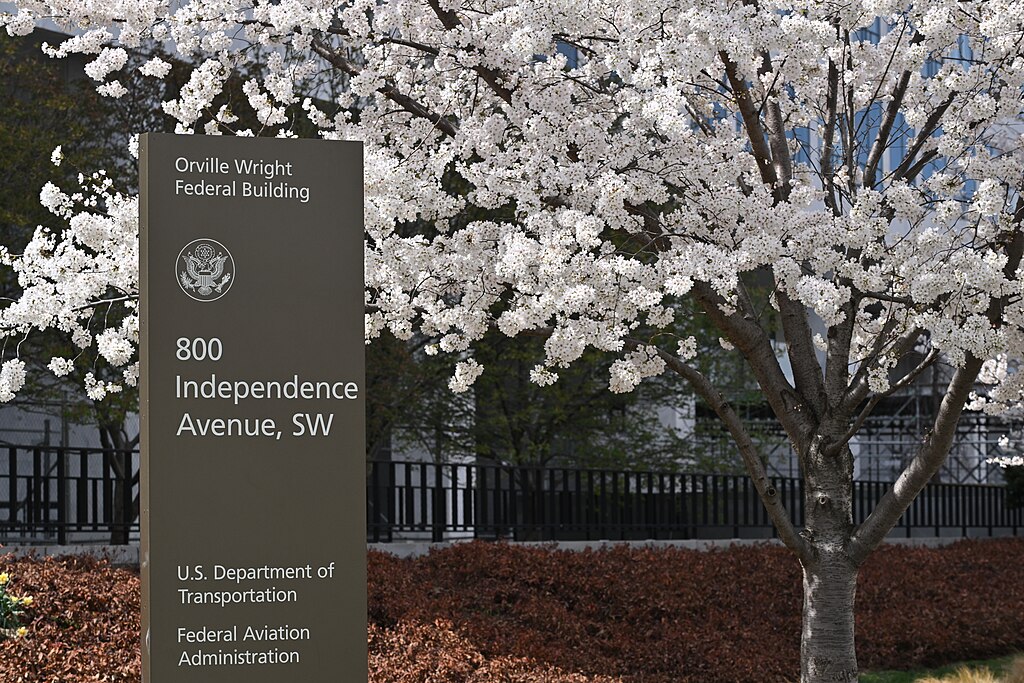
The Federal Aviation Administration announced late Sunday that it will end its mandated cuts on domestic flights at 40 major U.S. airports starting at 6 a.m. ET Monday. The decision comes as air traffic control staffing concerns continue to ease following the end of the federal government shutdown. FAA Administrator Bryan Bedford said the agency’s assessment shows a “steady decline in staffing concerns,” allowing regulators to remove earlier restrictions placed on commercial flights, space launches, and general aviation activity.
Airlines anticipated the policy change, and several major carriers told Reuters they had not canceled flights for Monday nor planned any cancellations. Despite the FAA’s earlier orders, airlines had not been consistently adhering to the required flight reduction levels. On Friday, the agency lowered its mandatory cutback from 6% to 3%, yet carriers continued operating near-normal schedules. Data from aviation analytics firm Cirium showed that airlines canceled just 0.25% of flights at the affected airports on Sunday—an even lower rate than typical operational days. Across the country, cancellations remained low at 0.36%, signaling a rapid return to normal operations.
However, the FAA confirmed it is aware of airlines’ non-compliance with the emergency mandate and is evaluating potential enforcement actions. The order allows for fines of up to $75,000 for each flight operated above the mandated limits.
The initial flight reduction policy was implemented to ease strain on the system caused by a severe shortage of air traffic controllers during the shutdown, when many employees stopped reporting to work without pay. The FAA is currently short about 3,500 controllers, forcing many to work mandatory overtime and extended schedules even before the shutdown intensified staffing gaps.
The 43-day government shutdown, which ended last week, triggered tens of thousands of delays and cancellations beginning October 1. By Friday, FAA employees began receiving back pay amounting to roughly 70% of what they are owed, marking the first step toward stabilizing the workforce and restoring full air traffic operations.
This easing of restrictions is expected to support smoother travel nationwide as airlines resume regular flight schedules and the FAA continues efforts to rebuild staffing capacity.







