


 Asian Currencies Stay Under Pressure as Dollar Holds Near 13-Month High Ahead of U.S. Jobs Report
  Gold Price Holds Above $4,000 as Fed Rate Hike Expectations and U.S. Jobs Data Weigh on Market
  US Jobs Report Preview: June Payroll Growth Seen Slowing as Fed Rate Decision Looms
  Japan Signals Surprise Yen Intervention Strategy as BOJ Hawkish Stance Puts FX Traders on Alert
  Supreme Court Backs Lisa Cook, Defends Federal Reserve Independence Against Trump Firing Attempt
  BoE Policymaker Alan Taylor Signals No Need for Interest Rate Hike Amid Iran War Inflation Risks
  Goldman Sachs Says China Competition Weighs More on EU Growth Than Trade Deficit
  Oil Prices Slip as Oversupply Concerns and U.S.-Iran Talks Shape Market Outlook
  Turkey Vehicle Sales Fall 11.4% in June as Auto Market Weakens


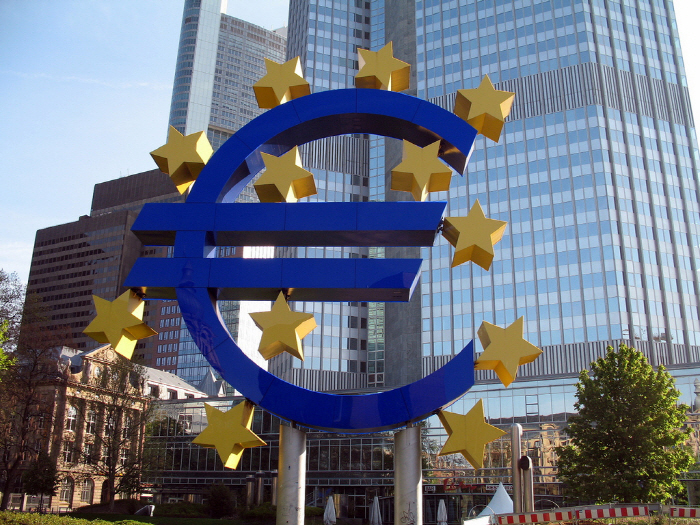
Newly released datasets, released today casts further doubts on current European Central Bank's (ECB) monetary policy, not being enough to tackle deflation. European Central bank indicated that it would reviewing its current monetary policy in March meeting, scheduled for 10th of the month and will possible recalibrate it based on data received since December meeting, when ECB acted further by reducing policy rates by another 10 basis points to -0.3%.
Today's data shows, ECB might have to do much more to reach its mandate of close but below 25 inflation.
- German wholesale price index, dropped by 0.4% in January, that's a decline by 1% from a year ago. Similarly consumer price index in Germany dropped -0.8% in January.
- Similar deflationary trend was observed in Spain too. Consumer price index was down -1.9% in January. All item HICP was worse, down -2.5%.
German deflationary pressure is of particular concern. Germany is Euro Zone's most stable and strong economy. Unemployment in the country is much lower at 4.5% compared to levels seen in Spain at 20.8%.
Despite the strength, if Germany suffers deflationary pressure, it would be worse for countries like Greece, Cyprus.
Whole world will be keen to see, what ECB might do to alleviate this pressure, which is getting intensified as Euro is on the rise against weaker Dollar.
Euro is currently trading at 1.127 against Dollar.







