


 Burkina Faso and Mali’s fabulous flora: new plant life record released
  Fungi are among the planet’s most important organisms — yet they continue to be overlooked in conservation strategies
  US Dollar Rises for Fourth Week as Fed Rate Hike Bets Grow
  Parasites are ecological dark matter – and they need protecting
  How ongoing deforestation is rooted in colonialism and its management practices
  Oil Prices Rise as Hormuz Risks Offset IEA Stock Release
  Starbucks Explores Chipotle Acquisition as Shares Swing
  Ukraine minerals deal: the idea that natural resource extraction can build peace has been around for decades
  How is Antarctica melting, exactly? Crucial details are beginning to come into focus
  Gold Prices Hit One-Week High as Oil Falls, Fed Rate Outlook Weighed
  Asian Currencies Steady as Dollar Eyes Fourth Weekly Gain
  How America courted increasingly destructive wildfires − and what that means for protecting homes today
  US Dollar Hits 18-Month High as Fed Signals More Rate Hikes
  Ripple Chairman Chris Larsen Donates $22.5 Million Ahead of US Midterms
  Moscow Exchange to Launch Crypto Trading on December 1
  Oracle Uses Trucked Natural Gas to Power AI Data Centers Amid Pipeline Delays


 Add as a preferred source on Google
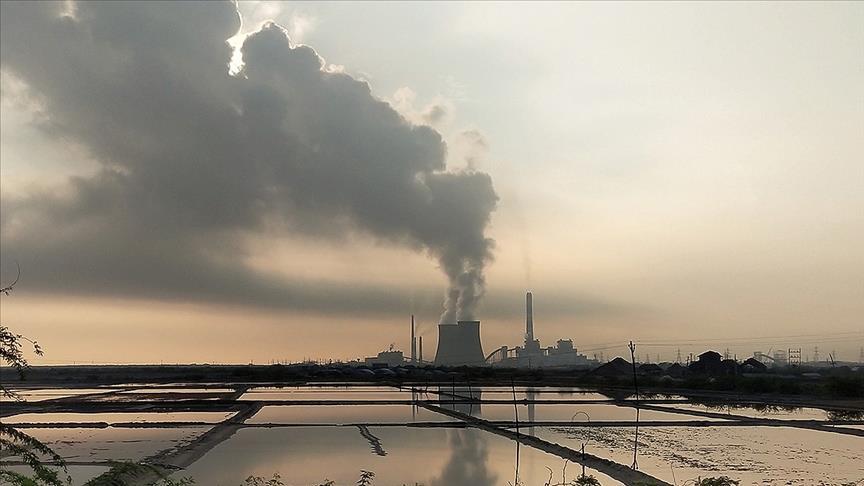
The International Energy Agency (IEA) says that oil and gas companies are not doing enough to cut methane emissions, despite methane cuts being among the cheapest options to limit near-term global warming
According to IEA’a latest annual Global Methane Tracker report, emissions from the energy sector rose slightly last year to 135 million tons, slightly below the record set in 2019.
IEA Executive Director Fatih Birol said that while some progress is being made, there is no excuse for emissions still far too high and not falling fast enough.
Around 30 percent of the increase in global temperatures during the Industrial Revolution can be attributed to methane. Methane emissions may prove to be the most effective approach to slow down short-term global warming and quickly improve air quality because they have a quicker and more significant impact than carbon dioxide decreases.
Only agriculture produces more methane emissions than the energy sector, which is responsible for almost 40 percent of all emissions linked to human activity.
According to the IEA, current technology could cut methane emissions from fossil fuel activities by about 70 percent.
The IEA added that based on the record gas prices in 2022, about 80 percent of the emission reduction options from oil and gas operations worldwide could be implemented at no net cost.
According to the IEA, $100 billion, or less than 3 percent of the revenue earned by oil and gas corporations globally last year, would be sufficient to reduce methane emissions by 75%.
The IEA asserted that halting all non-emergency methane flaring and venting is the most effective step nations can take to reduce emissions.
The IEA believes that to achieve net zero methane emissions by 2050 and keep the average increase in global temperature well below the two degrees Celsius set by the 2015 Paris Climate Accords, methane emissions from the fossil fuel sector must be reduced by 75 percent by 2030.







