


 Extreme heat, flooding, wildfires – Colorado’s formerly incarcerated people on the hazards they faced behind bars
  Agentic AI Boom to Drive Massive Growth in CPU Market, UBS Says
  Dell Stock Hits Record High After Trump Endorsement, AI Server Demand Fuels Rally
  Arm Stock Drops Despite Strong AI Chip Demand and Earnings Beat
  Samsung Surpasses $1 Trillion Market Cap Amid AI Chip Boom and Apple Partnership Talks
  How ongoing deforestation is rooted in colonialism and its management practices
  Swimming in the sweet spot: how marine animals save energy on long journeys
  LA fires: Long-term exposure to wildfire smoke is poorly understood − and a growing risk
  OpenAI-Microsoft Deal Sets $38 Billion Revenue-Sharing Cap Ahead of Potential IPO
  Nvidia CEO Jensen Huang to Join Trump’s China Visit Amid AI Chip Tensions
  U.S.-China AI Talks May Take Center Stage at Trump-Xi Summit
  Japan’s Top Banks to Gain Access to Anthropic’s Claude Mythos AI Model


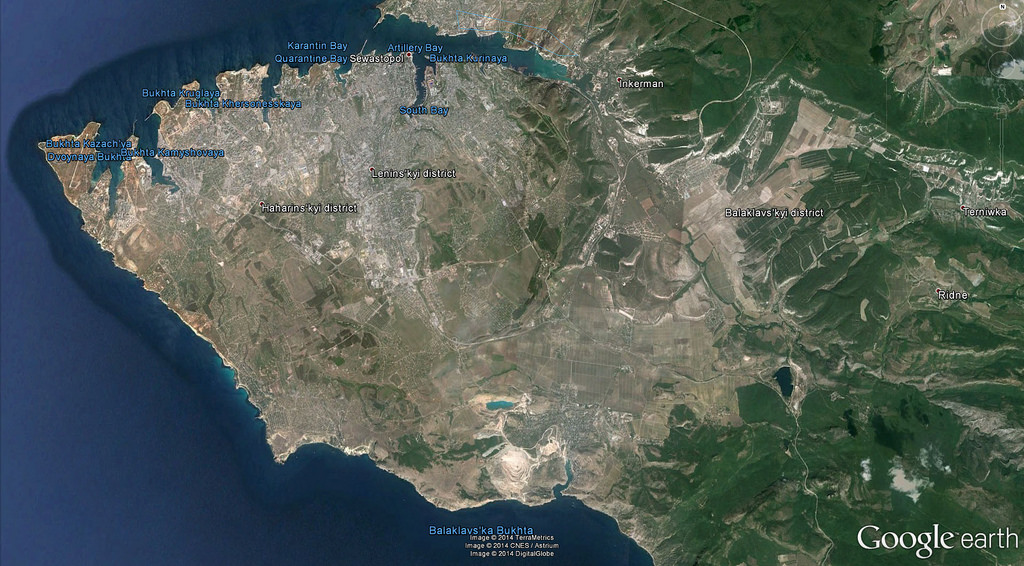
It’s long been known that human activity and progress has come at the cost of environmental damage, which have led to some of the most catastrophic results in recent history. With super typhoons, extreme droughts, disastrous wildfires, and increasing climate instability, recent trends reflect consequences that scientists have been warning everyone all along. Just to drive the point home that humans have been causing untold devastations on the planet, Google Earth compiled images that showcased how much damage has been caused since the 80s.
Google Earth’s Timelapse feature has been the source of much humor and enjoyment among users, The Verge reports, but it also has practical features that are meant to educate. The changes on certain landscapes viewed from above are particularly instructive, as they paint a crystal clear picture of what exactly has been done to the planet.
With the cooperation of TIME magazine, the US Geological Survey, and even NASA, Google managed to compile petabytes of information collected from satellite imagery since 1984, all the way up to 2012. Four years later, the search engine company added data gathered since then, with even clearer imagery.
Some of the most apparent examples of grave changes through the decades are the reduction of the Exit Glacier that usually covers the Kenai Peninsula in Alaska, Popular Science points out. Looking over regions including Louisiana or even Nebraska also showcases the increasing ferocity of droughts spurred on by climate change in stark detail.
Google didn’t simply find corresponding pictures and placed them in order, either, Ars Technica reports. With a fair bit of technical wizardry, involving advanced cloud-computing algorithm, the images presented are unobstructed and of higher quality.
It’s true that users can do some silly things through Timelapse, including watching entire cities grow considerably in the space of a few seconds. However, they can also watch whole forests cut down or deserts spread wider to engulf once green areas.







