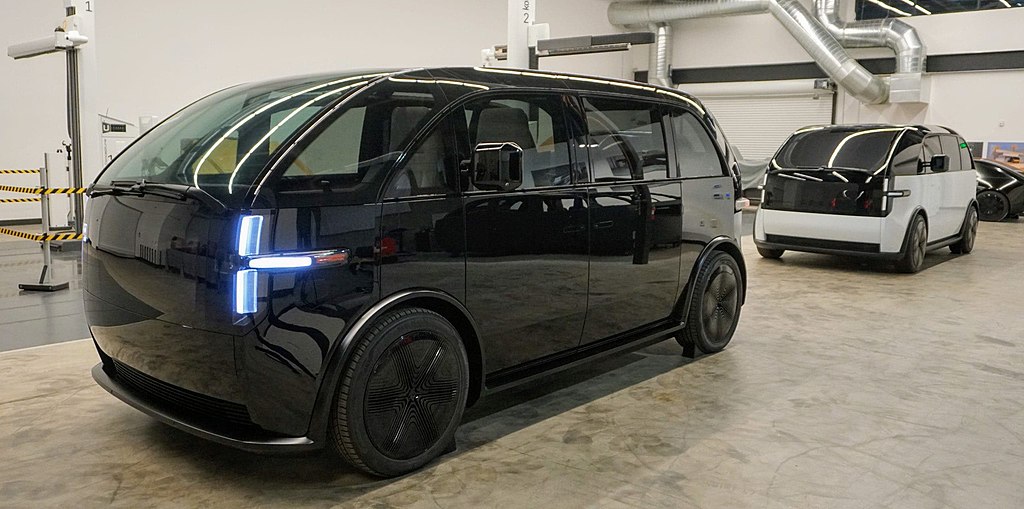
Electric vehicle (EV) startup Canoo announced on Friday that it will file for Chapter 7 bankruptcy, ceasing operations effective immediately. The company, known for its innovative microbus-inspired cargo vans, has faced mounting financial challenges, including rapid cash burn and difficulty securing additional funding.
Canoo’s struggles highlight the challenges in the competitive EV market, where high production costs and fluctuating demand can test even the most innovative players. Despite efforts to carve out a niche with its uniquely designed vans, the company failed to generate the sales needed to sustain operations.
Founded with the vision of redefining commercial EVs, Canoo gained initial attention for its futuristic vehicle designs and plans to disrupt the delivery and logistics industry. However, scaling production proved difficult as rising material costs and a tough fundraising environment compounded the company’s problems.
The bankruptcy filing marks a disappointing end for Canoo, reflecting broader challenges for EV startups navigating a competitive market dominated by established players. Industry analysts note that uncertain demand, paired with investor caution, has made it increasingly difficult for smaller EV manufacturers to thrive.
Canoo’s collapse underscores the risks associated with scaling EV production without consistent funding or market validation. The company’s failure serves as a cautionary tale for startups aiming to break into the capital-intensive EV sector, where even innovative designs are no guarantee of success.
With its closure, Canoo joins the ranks of other failed EV ventures, signaling that the race for EV market dominance remains an uphill battle.
By filing for Chapter 7 bankruptcy, Canoo will liquidate its assets, marking the end of its ambitious but short-lived journey in the EV industry.