


 Global Markets Slide as AI, Crypto, and Precious Metals Face Heightened Volatility
  Bank of Japan Signals Readiness for Near-Term Rate Hike as Inflation Nears Target
  Jerome Powell Attends Supreme Court Hearing on Trump Effort to Fire Fed Governor, Calling It Historic
  Japanese Pharmaceutical Stocks Slide as TrumpRx.gov Launch Sparks Market Concerns
  BOJ Rate Decision in Focus as Yen Weakness and Inflation Shape Market Outlook
  Singapore Budget 2026 Set for Fiscal Prudence as Growth Remains Resilient
  Gold Prices Slide Below $5,000 as Strong Dollar and Central Bank Outlook Weigh on Metals
  South Africa Eyes ECB Repo Lines as Inflation Eases and Rate Cuts Loom
  India–U.S. Interim Trade Pact Cuts Auto Tariffs but Leaves Tesla Out
  China Extends Gold Buying Streak as Reserves Surge Despite Volatile Prices
  Why Trump’s new pick for Fed chair hit gold and silver markets – for good reasons
  Gold and Silver Prices Slide as Dollar Strength and Easing Tensions Weigh on Metals


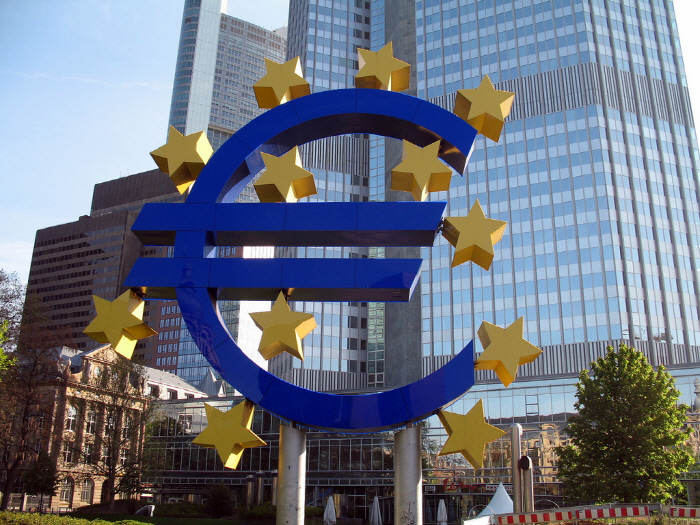
European Central Bank (ECB) board member Isabel Schnabel cautioned against additional interest rate cuts, warning that inflation could exceed the ECB’s 2% target in the medium term due to rising global price pressures. Speaking at a Stanford University conference on Friday, Schnabel, known for her hawkish stance, said the current rates are already neutral and supportive of economic activity.
The ECB has cut interest rates seven times over the past year in response to falling inflation, and markets expect another cut on June 5, which would bring the deposit rate down to 2%. However, Schnabel argued that maintaining current rates would offer a more prudent path given the evolving economic landscape.
“Now is the time to keep a steady hand,” she said, emphasizing that monetary policy should account for its delayed impact on the economy. While near-term inflation could temporarily dip below the ECB target due to factors like lower energy prices, weak growth, and a strong euro, Schnabel stressed that medium-term risks are skewed to the upside.
Key inflationary pressures include a surge in government spending, particularly in Germany’s defense and infrastructure sectors, and global trade fragmentation triggered by U.S. tariffs. These tariffs, even without European retaliation, could raise production costs across global supply chains, potentially driving inflation higher in the euro area.
Schnabel challenged the view that U.S. tariffs would be deflationary for Europe, suggesting instead that they might add to inflation through cost-push shocks. Any EU retaliation, she noted, would only intensify this effect.
Schnabel concluded that keeping rates steady would act as a safeguard, offering flexibility to respond to a range of future economic scenarios.













