


 Trump, Xi Focus on Trade and AI at White House Summit
  Mexico-US Trade Talks Delayed to October as Tariff Negotiations Continue
  Germany’s 2026 Growth Outlook Strengthens on Fiscal Spending
  Fed’s Hammack Says Bond Yield Surge Is Not Driven by Inflation Fears
  Oil Prices Jump 3% as Houthi Attack Revives Supply Fears
  UK PM Burnham to Unveil Economic Vision at Labour Conference
  Dollar Falls as Oil Eases, Yen Jumps on Intervention Signals
  Asian Currencies Mixed as Dollar Holds Near Two-Month High
  Australia Unemployment Hits Five-Year High Despite Strong Jobs Growth
  Wall Street Ends Flat as Oil, Treasury Yields and Fed Jitters Rattle Markets
  Asian Stocks Fall as Bond Yields Surge Ahead of Trump-Xi Summit
  Oil Prices Fall on U.S.-Iran Hormuz Deal Hopes
  U.S. Dollar Hits Two-Month High as Oil, Treasury Yields Surge
  China Agrees to Buy 20 Million Tons of U.S. Coal
  Soybean Futures Slip as Traders Await Trump-Xi Trade Signals
  Canadian Dollar Faces Pressure as Fed-BoC Policy Gap Widens


 Add as a preferred source on Google
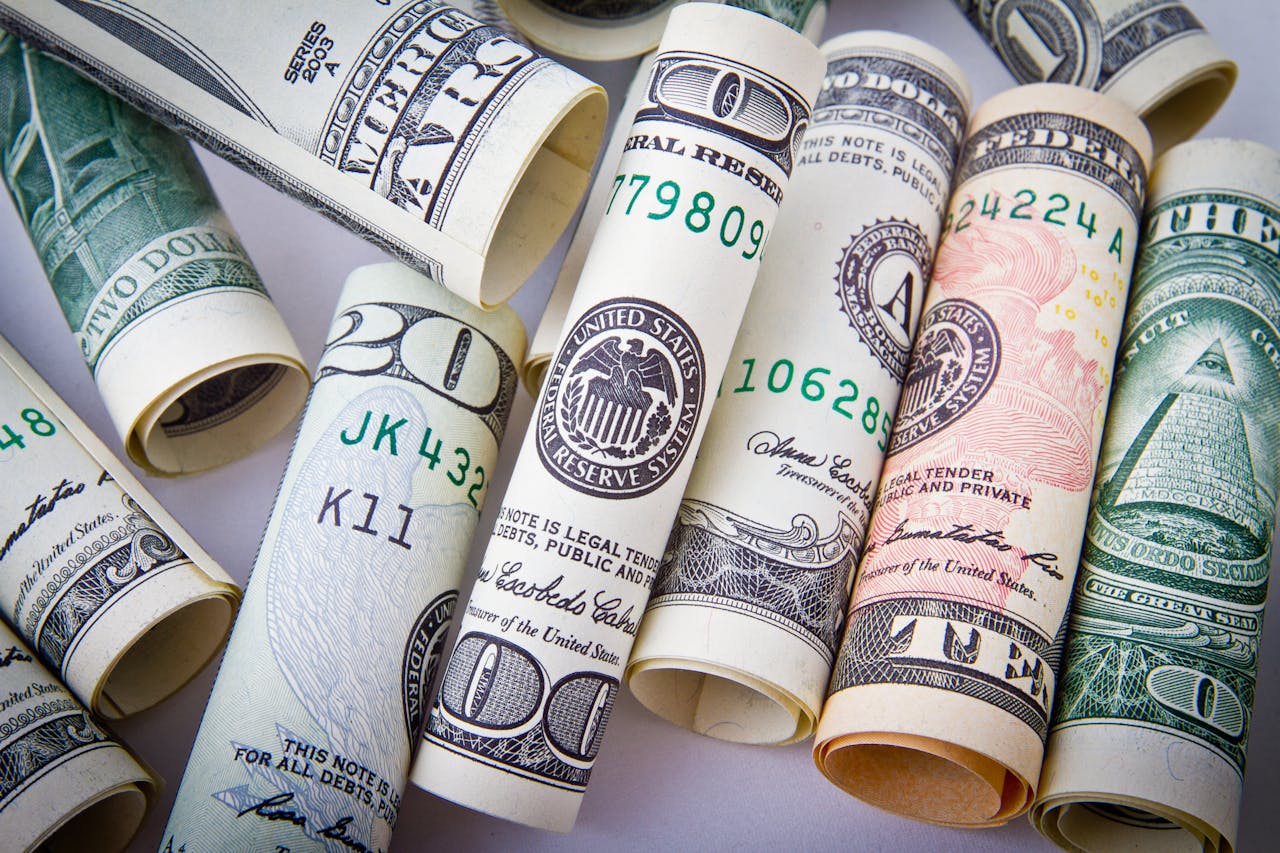
The U.S. dollar stayed firm on Friday, extending gains after its strongest daily performance in three weeks. Markets reacted to the Federal Reserve’s steady interest rate stance and cautious outlook on future cuts. Fed Chair Jerome Powell emphasized there’s “no hurry to move,” highlighting uncertainty tied to President Donald Trump’s aggressive trade tariffs.
The dollar index held steady at 103.81 in early Asia trade, following a 0.36% rise on Thursday. Earlier this week, the index had touched a five-month low at 103.19, retreating from its January high of 110.17. Market sentiment has shifted from optimism over Trump’s economic policies to concern over a potential U.S. recession triggered by ongoing trade tensions.
Risk-sensitive currencies like the Australian and New Zealand dollars remained pressured. The Aussie hovered at $0.6303 after Thursday’s 0.86% drop, while the kiwi stabilized at $0.5766 following a 1% plunge, despite GDP data showing New Zealand's economy exiting recession.
The euro remained weak at $1.0854 after falling 0.45% as traders hesitated to push it past $1.1000. Sterling dipped slightly to $1.2961, and the dollar ticked up 0.07% against the yen to 148.88. It also stayed firm against the Canadian dollar at C$1.4321.
With a new round of reciprocal tariffs expected on April 2, market watchers like Pepperstone’s Chris Weston note increased caution, as traders reduce short positions and adopt a more neutral stance on the greenback. As global uncertainty persists, the dollar’s stability amid Fed policy and trade risks continues to guide currency markets.







