


 Oil Prices Jump 3% as Houthi Attack Revives Supply Fears
  U.S. Dollar Hits Two-Month High as Oil, Treasury Yields Surge
  China’s ‘Lipstick King’ Says AI Won’t Replace Livestream Hosts
  U.S. 10-Year Treasury Yield Hits 2007 High as Fed Rate Hike Bets Rise
  RBI Uses $10 Billion Currency Swaps to Drain Excess Rupee Liquidity
  U.S. Treasury Yields Surge as 30-Year Hits 22-Year High
  Wall Street Falls as Treasury Yields Surge, Oil Rebounds on Iran Tensions
  South Korea, US Discuss Warship Building Cooperation
  US Stock Futures Fall as Treasury Yields Surge Ahead of Trump-Xi Summit
  Japan Private-Sector Growth Slows as Domestic Demand Weakens
  European Stocks Slip as Iran Tensions Offset Strong Eurozone Data
  Asian Stocks Fall as Bond Yields Surge Ahead of Trump-Xi Summit
  European Stocks Fall as Bond Yields and Geopolitical Risks Weigh
  Trump, Xi Focus on Trade and AI at White House Summit
  Soybean Futures Slip as Traders Await Trump-Xi Trade Signals
  Gold Drops Over 1% as Dollar, Treasury Yields Surge on Fed Rate Hike Bets


 Add as a preferred source on Google
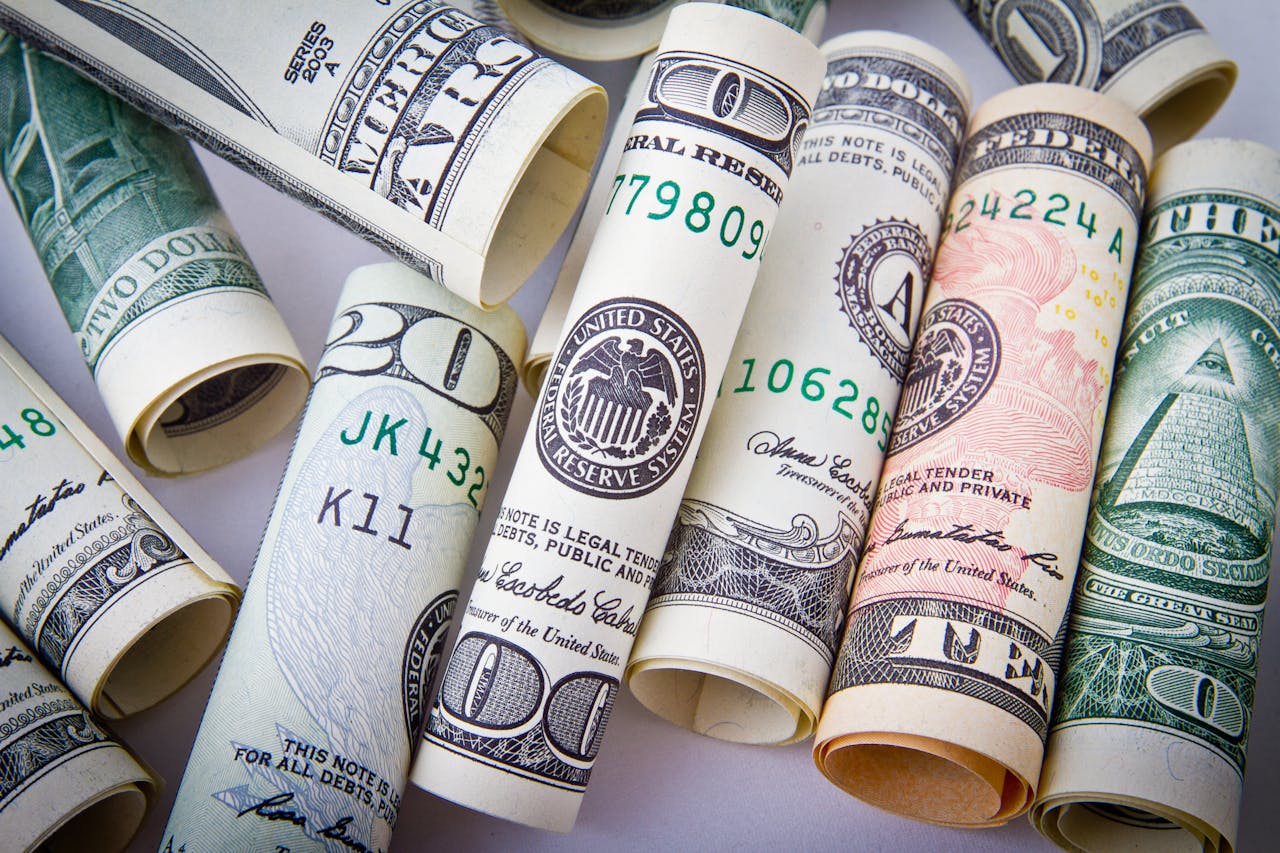
The U.S. dollar weakened on Monday after Washington and Tehran announced an interim peace agreement, easing geopolitical tensions and reducing demand for traditional safe-haven assets. Improved market sentiment pushed global equities higher, while oil prices and U.S. Treasury yields declined.
The U.S. Dollar Index (DXY), which measures the greenback against six major currencies, slipped 0.1% to 99.68 as investors reacted positively to signs of a potential end to a conflict that has weighed on the global economy for more than three months.
U.S. President Donald Trump stated that the peace deal was “complete” and confirmed authorization for the reopening of the Strait of Hormuz, a crucial global energy shipping route. He also approved the immediate removal of the U.S. naval blockade around Iran’s ports. A memorandum of understanding (MoU) is expected to be signed in Switzerland on Friday, with Pakistan serving as the primary mediator in negotiations.
According to Pakistani Prime Minister Shehbaz Sharif, both nations agreed to permanently halt military operations across all fronts, including Lebanon. Iran also indicated that the agreement could lead to the lifting of U.S. sanctions, while additional negotiations on Iran’s nuclear program and other unresolved issues are expected over the next 60 days.
The prospect of normalized oil flows through the Strait of Hormuz triggered a sharp decline in crude prices, easing inflation concerns and potentially giving the Federal Reserve greater flexibility in future monetary policy decisions. Markets widely expect the Fed to keep interest rates unchanged at its upcoming meeting under Chair Kevin Warsh.
Currency strategists believe lower oil prices could weigh on the U.S. dollar while benefiting major currencies such as the euro and Japanese yen. EUR/USD rose 0.2% to 1.1587, while GBP/USD edged higher to 1.3411.
Investors are also closely watching central bank decisions this week. The Bank of Japan is expected to raise interest rates to 1%, its highest level in over three decades, while the Bank of England is also set to announce its latest policy decision.







