


 Asian Stocks Fall as Surging Bond Yields Rattle Markets
  US 10-Year Treasury Yield at 6% Emerges as New Market Risk Threshold
  Trump, Xi Focus on Trade and AI at White House Summit
  South Korea, US Discuss Warship Building Cooperation
  U.S. Dollar Hits Two-Month High as Oil, Treasury Yields Surge
  US Stock Futures Fall as Treasury Yields Surge Ahead of Trump-Xi Summit
  Australia Unemployment Hits Five-Year High Despite Strong Jobs Growth
  Japan Private-Sector Growth Slows as Domestic Demand Weakens
  European Stocks Fall as Bond Yields and Geopolitical Risks Weigh
  Asian Stocks Fall as Bond Yields Surge Ahead of Trump-Xi Summit
  Wall Street Ends Flat as Oil, Treasury Yields and Fed Jitters Rattle Markets
  Gold Holds Near $4,275 as Rising Treasury Yields Fuel Fed Rate Hike Bets
  Oil Prices Jump 3% as Houthi Attack Revives Supply Fears
  Japanese Bank Stocks Surge as Bond Yields Fuel Rate Hike Bets
  US, China Extend Trade Truce to Jan. 10 Ahead of Trump-Xi Summit
  Fed Unveils Stablecoin Rules Under GENIUS Act
  Oil Prices Surge as U.S.-Iran Diplomacy Hopes Fade


 Add as a preferred source on Google
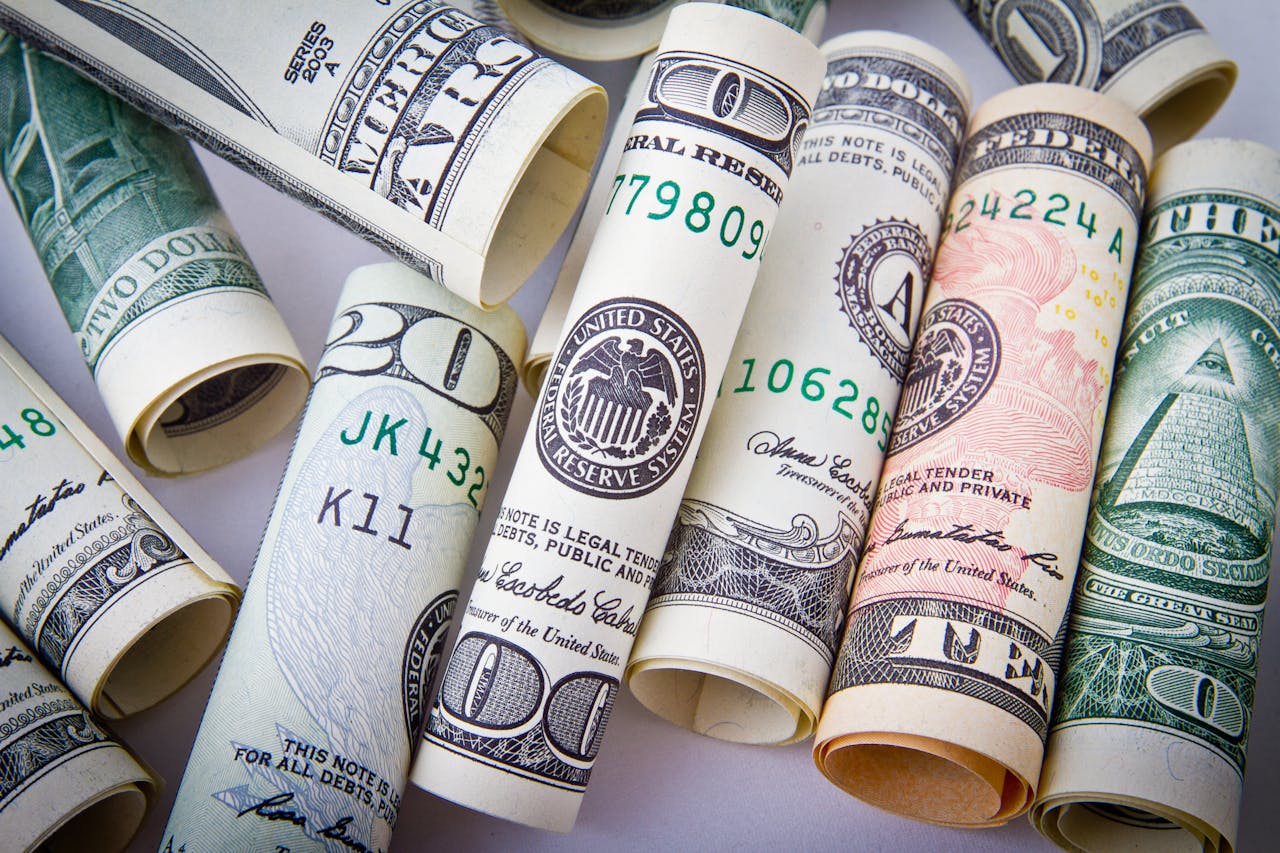
The U.S. dollar weakened to its lowest level in a week during early trading on Monday as renewed geopolitical tensions involving the White House and the European Union triggered a broad selloff across U.S. financial markets. Investors pulled back from U.S. stocks, Treasury bonds, and the greenback amid concerns that escalating trade threats and diplomatic strain could undermine confidence in U.S. assets.
The dollar index, which tracks the currency against a basket of six major peers, fell 0.1% to 99.004, marking its weakest point since January 14. Market sentiment deteriorated after U.S. President Donald Trump revived tariff threats against European allies, linked to the future of Greenland. This development reignited what traders have dubbed the “Sell America” trade, reminiscent of market reactions following last year’s Liberation Day tariff announcement in April. U.S. markets remained closed on Monday due to the Martin Luther King Jr. Day holiday and are set to reopen on Tuesday.
According to Tony Sycamore, a market analyst at IG in Sydney, investors are reducing exposure to dollar-denominated assets due to fears of prolonged uncertainty, strained international alliances, declining confidence in U.S. leadership, and the risk of retaliation from trade partners. He also noted that concerns about accelerating de-dollarization trends are weighing on sentiment, even as some hope the administration may eventually soften its stance.
U.S. Treasury yields edged higher, with the benchmark 10-year yield rising 3 basis points to 4.2586%. Meanwhile, Fed funds futures indicate a 94.5% probability that the Federal Reserve will keep interest rates unchanged at its upcoming meeting, according to CME Group’s FedWatch tool.
In currency markets, the dollar was flat against the Japanese yen at 158.175 after Japan’s prime minister announced snap elections and proposed suspending a food sales tax, raising fiscal concerns. The dollar also held steady against the offshore Chinese yuan at 6.9536 ahead of an expected rate hold by the People’s Bank of China. The euro and British pound were largely unchanged, while the Australian and New Zealand dollars edged lower. In cryptocurrencies, bitcoin slipped below $93,000 and ether also declined, reflecting broader risk aversion.







