


 U.S. Dollar Hits Two-Month High as Oil, Treasury Yields Surge
  RBI Uses $10 Billion Currency Swaps to Drain Excess Rupee Liquidity
  Japanese Bank Stocks Surge as Bond Yields Fuel Rate Hike Bets
  South Korea, US Discuss Warship Building Cooperation
  Dollar Holds Near Two-Month High as Yen Approaches 160
  Trump, Xi Focus on Trade and AI at White House Summit
  Gold Prices Fall as Treasury Yields Rise on Fed Rate Hike Bets
  Fed Unveils Stablecoin Rules Under GENIUS Act
  Asian Currencies Mixed as Dollar Holds Near Two-Month High
  Wall Street Ends Flat as Oil, Treasury Yields and Fed Jitters Rattle Markets
  US 10-Year Treasury Yield at 6% Emerges as New Market Risk Threshold
  US Stock Futures Fall as Treasury Yields Surge Ahead of Trump-Xi Summit
  Fed Unveils Stablecoin Rules Under GENIUS Act
  US, China Extend Trade Truce to Jan. 10 Ahead of Trump-Xi Summit
  U.S. 10-Year Treasury Yield Hits 2007 High as Fed Rate Hike Bets Rise
  Japan Private-Sector Growth Slows as Domestic Demand Weakens


 Add as a preferred source on Google
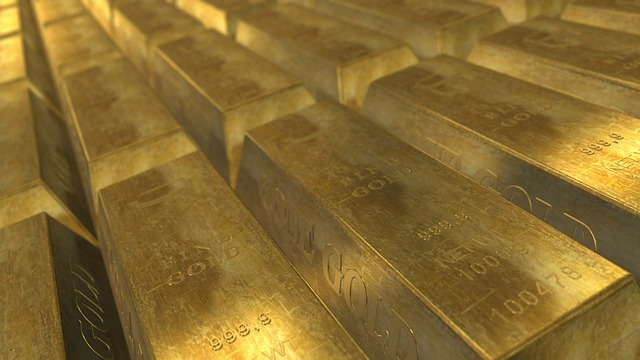
Gold prices slipped on Wednesday but remained positioned for weekly gains as investors closely monitored developments surrounding a potential permanent ceasefire between the United States and Iran. Spot gold fell 1% to $4,794.67 per ounce, retreating from a recent one-month peak, while gold futures edged down 0.7% to $4,817.26 per ounce.
Despite the daily pullback, bullion was still up roughly 1% for the week, reflecting a cautious return of risk appetite in global markets. Wall Street has already reclaimed record highs, erasing all losses accumulated since hostilities erupted in late February following joint U.S. and Israeli strikes on Iran.
Gold struggled throughout March as the conflict triggered a sharp rise in oil prices, stoking global inflation fears and raising expectations of potential interest rate hikes by central banks worldwide. Since gold yields no interest, a rising-rate environment tends to weigh heavily on its appeal. Adding to the pressure, investors gravitated toward the U.S. dollar as their preferred safe haven, partly because the United States, as a net energy exporter, remains relatively shielded from oil supply disruptions through the Strait of Hormuz.
President Donald Trump has expressed optimism that the conflict is "close to over," suggesting a permanent ceasefire could be finalized before King Charles visits the United States later this month. A second round of U.S.-Iran ceasefire talks is expected to resume imminently, following inconclusive negotiations held in Pakistan last weekend. White House Press Secretary Karoline Leavitt confirmed that diplomatic conversations remain "productive and ongoing."
A fragile two-week ceasefire is set to expire on April 21, but mediators are reportedly making headway on key sticking points, including Iran's nuclear program, the Strait of Hormuz closure, and war reparations. Analysts warn that gold's next directional move hinges on whether prices can firmly establish support above the $4,800 level.







