


 Soybean Futures Slip as Traders Await Trump-Xi Trade Signals
  Asian Stocks Fall as Bond Yields Surge Ahead of Trump-Xi Summit
  Gold Prices Fall as Treasury Yields Rise on Fed Rate Hike Bets
  Fed Unveils Stablecoin Rules Under GENIUS Act
  Oil Prices Jump 3% as Houthi Attack Revives Supply Fears
  Asian Currencies Mixed as Dollar Holds Near Two-Month High
  South Korea, US Discuss Warship Building Cooperation
  US Dollar Hits Two-Month High as Fed Rate Hike Bets Rise
  Wall Street Ends Flat as Oil, Treasury Yields and Fed Jitters Rattle Markets
  U.S. Dollar Hits Two-Month High as Oil, Treasury Yields Surge
  US 10-Year Treasury Yield at 6% Emerges as New Market Risk Threshold
  Russian Envoy Dmitriev Heads to US for Ukraine Talks
  U.S. 10-Year Treasury Yield Hits 2007 High as Fed Rate Hike Bets Rise
  Fed Unveils Stablecoin Rules Under GENIUS Act
  Japan Private-Sector Growth Slows as Domestic Demand Weakens
  European Stocks Fall as Bond Yields and Geopolitical Risks Weigh
  China’s ‘Lipstick King’ Says AI Won’t Replace Livestream Hosts


 Add as a preferred source on Google
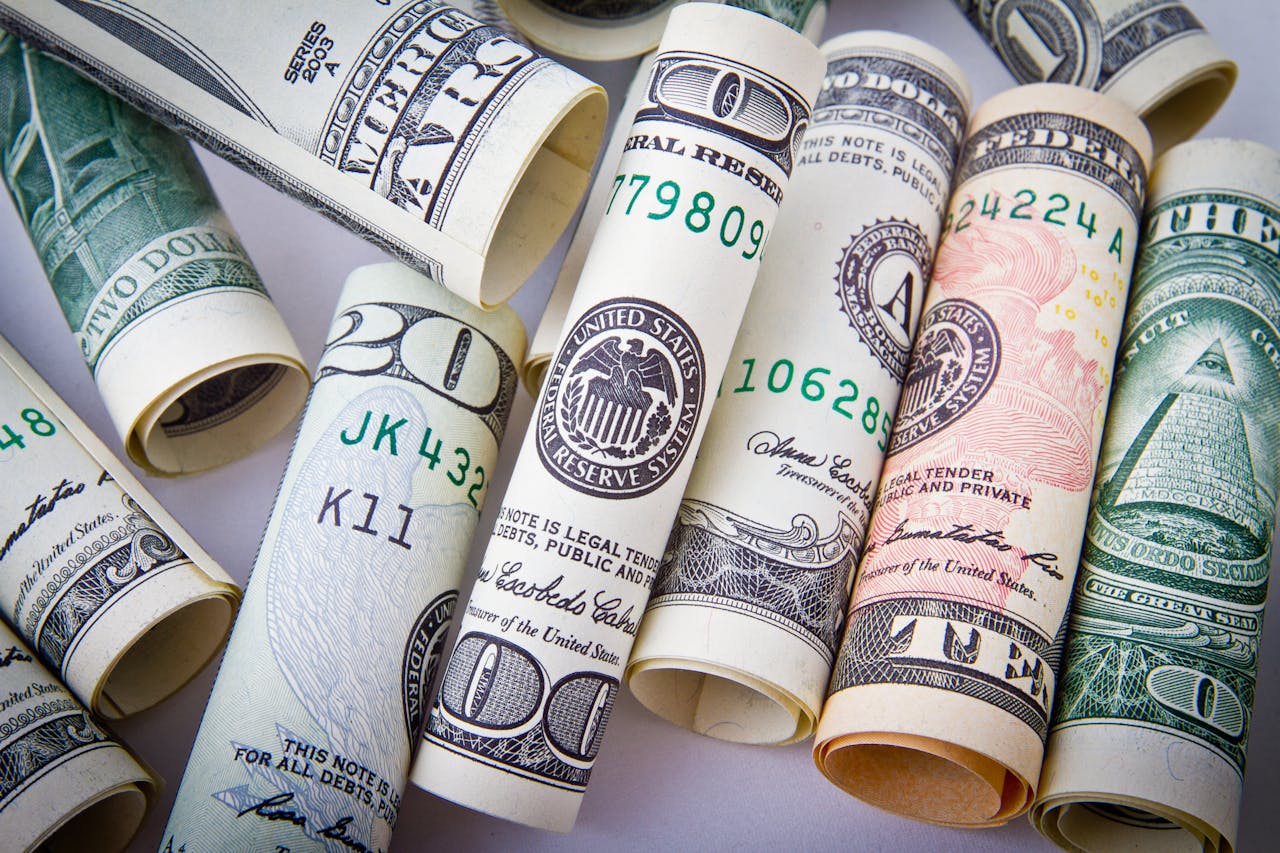
The U.S. dollar hovered near a one-month high on Tuesday as investors assessed the possibility of a Federal Reserve interest rate hike this week, despite easing inflation concerns following a sharp decline in oil prices.
The U.S. Dollar Index (DXY), which tracks the greenback against a basket of major currencies, edged up 0.03% to 101.55. The euro slipped slightly to $1.1366, while the Japanese yen weakened to 163.82 per dollar. The British pound also eased to $1.3284.
Although a pause in U.S. military strikes on Iran triggered a pullback in crude oil prices and reduced inflation fears, U.S. Treasury yields remained relatively firm. Analysts said the resilience in short-term Treasury yields has continued to support the dollar.
Chris Weston, head of research at Pepperstone, noted that limited buying at the front end of the Treasury curve has helped maintain demand for the U.S. currency. Investors are now focused on the Federal Reserve’s two-day policy meeting, which concludes Wednesday.
Market expectations for a 25-basis-point Fed rate hike have increased significantly. CME FedWatch data shows a 36.3% probability of a hike this week, up from 16% a week earlier, while traders assign an 81% chance of a rate increase at the September meeting.
ANZ Bank’s head of FX research, Mahjabeen Zaman, said a surprise rate hike would likely strengthen the dollar further, particularly against lower-yielding currencies such as the Japanese yen and Swiss franc.
Beyond the Fed decision, investors are awaiting second-quarter U.S. GDP figures and the core Personal Consumption Expenditures (PCE) price index, the Fed’s preferred inflation gauge, for additional clues on the economy and future monetary policy.
Attention will also shift to other major central banks this week. The Bank of England and the Bank of Japan are widely expected to leave interest rates unchanged. However, the BOJ is expected to maintain a hawkish tone as policymakers seek to support the yen, which remains near four-decade lows against the dollar.
Elsewhere, the Australian dollar slipped to $0.6981, while the New Zealand dollar fell to $0.5766. In cryptocurrency markets, Bitcoin declined 1.88% to $63,694.59, and Ether dropped 2.83% to $1,890.30.







