


 Hims & Hers Halts Compounded Semaglutide Pill After FDA Warning
  Rio Tinto Shares Hit Record High After Ending Glencore Merger Talks
  Alphabet’s Massive AI Spending Surge Signals Confidence in Google’s Growth Engine
  Baidu Approves $5 Billion Share Buyback and Plans First-Ever Dividend in 2026
  Ford and Geely Explore Strategic Manufacturing Partnership in Europe
  Washington Post Publisher Will Lewis Steps Down After Layoffs
  Trump Backs Nexstar–Tegna Merger Amid Shifting U.S. Media Landscape
  SoftBank Shares Slide After Arm Earnings Miss Fuels Tech Stock Sell-Off
  Global PC Makers Eye Chinese Memory Chip Suppliers Amid Ongoing Supply Crunch
  Uber Ordered to Pay $8.5 Million in Bellwether Sexual Assault Lawsuit
  Sony Q3 Profit Jumps on Gaming and Image Sensors, Full-Year Outlook Raised
  Tencent Shares Slide After WeChat Restricts YuanBao AI Promotional Links
  OpenAI Expands Enterprise AI Strategy With Major Hiring Push Ahead of New Business Offering
  TrumpRx Website Launches to Offer Discounted Prescription Drugs for Cash-Paying Americans
  Amazon Stock Rebounds After Earnings as $200B Capex Plan Sparks AI Spending Debate
  CK Hutchison Launches Arbitration After Panama Court Revokes Canal Port Licences
  TSMC Eyes 3nm Chip Production in Japan with $17 Billion Kumamoto Investment


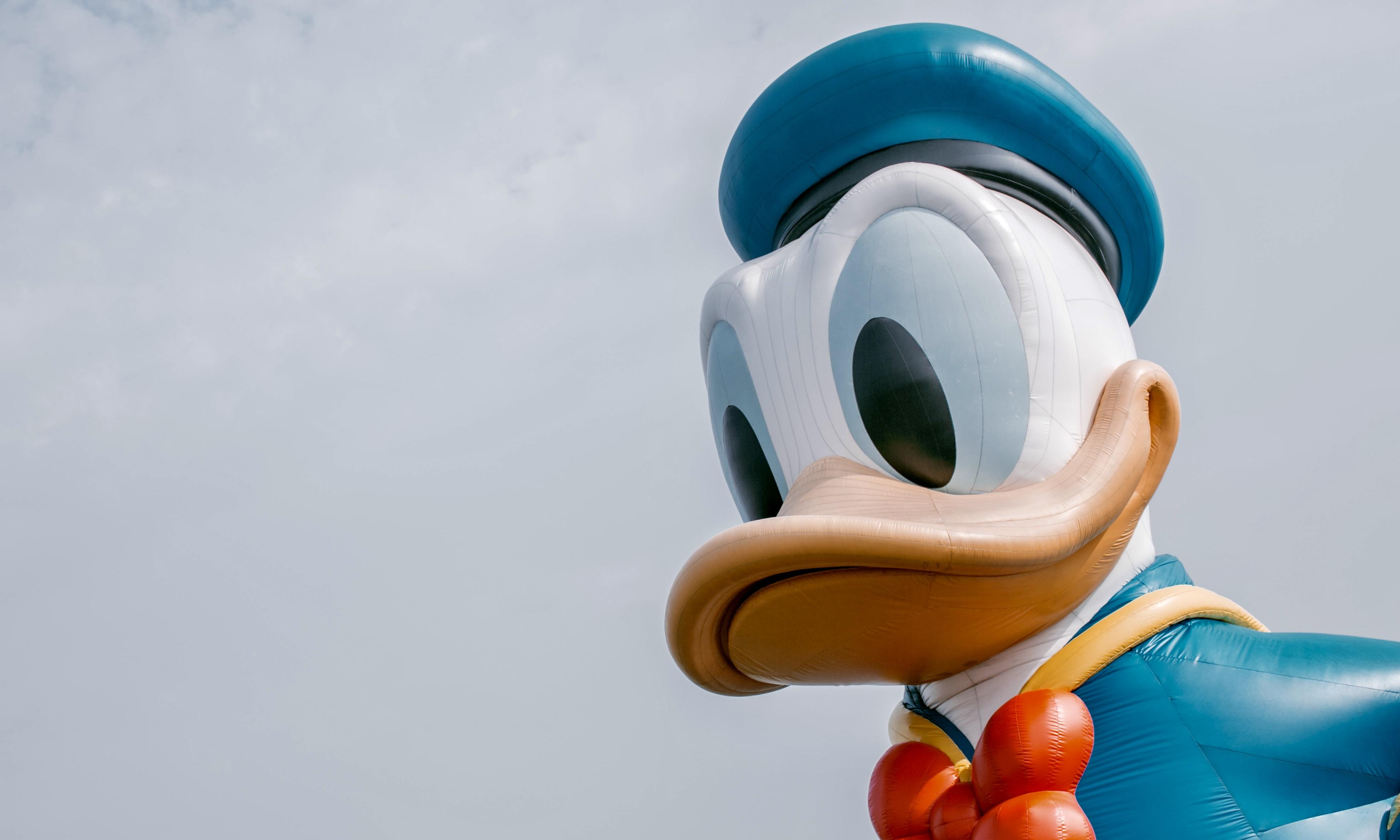
A potential merger between Walt Disney's India unit and billionaire Mukesh Ambani's media business is anticipated to draw intense antitrust scrutiny. According to legal experts, such a deal would require the shedding of assets.
Disney and Reliance Aim for Dominance in Streaming Landscape
Disney and India's Reliance, both owners of major streaming services and a combined total of 120 TV channels, are exploring the possibility of merging into an entity where Ambani's group would hold a majority stake, according to Reuters.
Should the deal go through, it would be the second merger to significantly reshape India's TV and streaming landscape. Notably, Japan's Sony also plans to merge its India business with Zee Entertainment.
The Zee-Sony merger proposal successfully passed the review by the Competition Commission of India (CCI) last year and is slated for finalization in the coming weeks. As part of their agreement for regulatory acceptance, three of Zee's Hindi TV channels will be divested.
Emerging Duopoly Raises Anticompetitive Concerns
While Netflix and Amazon already compete in India's burgeoning $28 billion media and entertainment market, the emergence of two industry behemoths would likely create a duopoly with substantial anticompetitive power over advertisers, users, and content creators, caution antitrust lawyers.
Experts predict that the Disney-Reliance merger might face increased scrutiny due to the concentration of market power resulting from the Zee-Sony merger, as per The Economic Times. This could pose challenges for their path to CCI approval, highlights Avimukt Dar, founding partner at India's IndusLaw.
Regulatory Focus on Streaming Dominance and Cricket Rights
In the event of a Disney-Reliance merger, regulators would closely scrutinize their streaming businesses, particularly their influence over advertising during cricket matches - a sport that commands fanatical devotion in India. Notably, Disney Hotstar and Reliance's JioCinema app hold broadcasting rights for major cricket events.
The CCI has concerns about the combined entity's strong market presence in streaming, which could enable them to dictate rates, leaving advertisers with limited bargaining power. Moreover, the potential merger's impact on the TV ads market is significant, with Disney and Viacom18 expected to hold the largest share at 43%.
With a combined 25% share of the TV ads market, Zee-Sony's merger aims to challenge the dominance of Disney and Viacom18. However, the substantial market presence of the merged entities may make it difficult for other competitors to compete effectively.
Photo: Kin Li/Unsplash













