


 Federal Judge Blocks Pentagon's Blacklisting of AI Company Anthropic
  OpenAI Pulls the Plug on Sora, Ending $1 Billion Disney Partnership
  Microsoft's $10 Billion Japan Investment: AI Infrastructure and Data Sovereignty Push
  Nanya Technology Shares Surge 10% After $2.5 Billion Private Placement from Sandisk and Cisco
  Golden Dome Missile Defense: Anduril and Palantir Join Forces on Trump's $185B Space Shield
  Meta Ties Executive Pay to Aggressive Stock Price Targets in Major Retention Push
  Elon Musk Ties SpaceX IPO Access to Mandatory Grok AI Subscriptions
  Google's TurboQuant Algorithm Sends Memory Chip Stocks Tumbling
  MATCH Act Targets ASML and Chinese Chipmakers in New U.S. Export Crackdown
  Microsoft Eyes $7B Texas Energy Deal to Power AI Data Centers
  Annie Altman Amends Sexual Abuse Lawsuit Against OpenAI CEO Sam Altman
  SMIC Allegedly Supplies Chipmaking Tools to Iran's Military, U.S. Officials Warn
  NASA's Artemis II Crew Arrives in Florida for Historic Moon Mission
  NASA Artemis II: First Crewed Moon Mission Since Apollo Takes Four Astronauts on 10-Day Lunar Journey
  Apple Turns 50: From Garage Startup to AI Crossroads
  TSMC Japan's Second Fab to Produce 3nm Chips by 2028


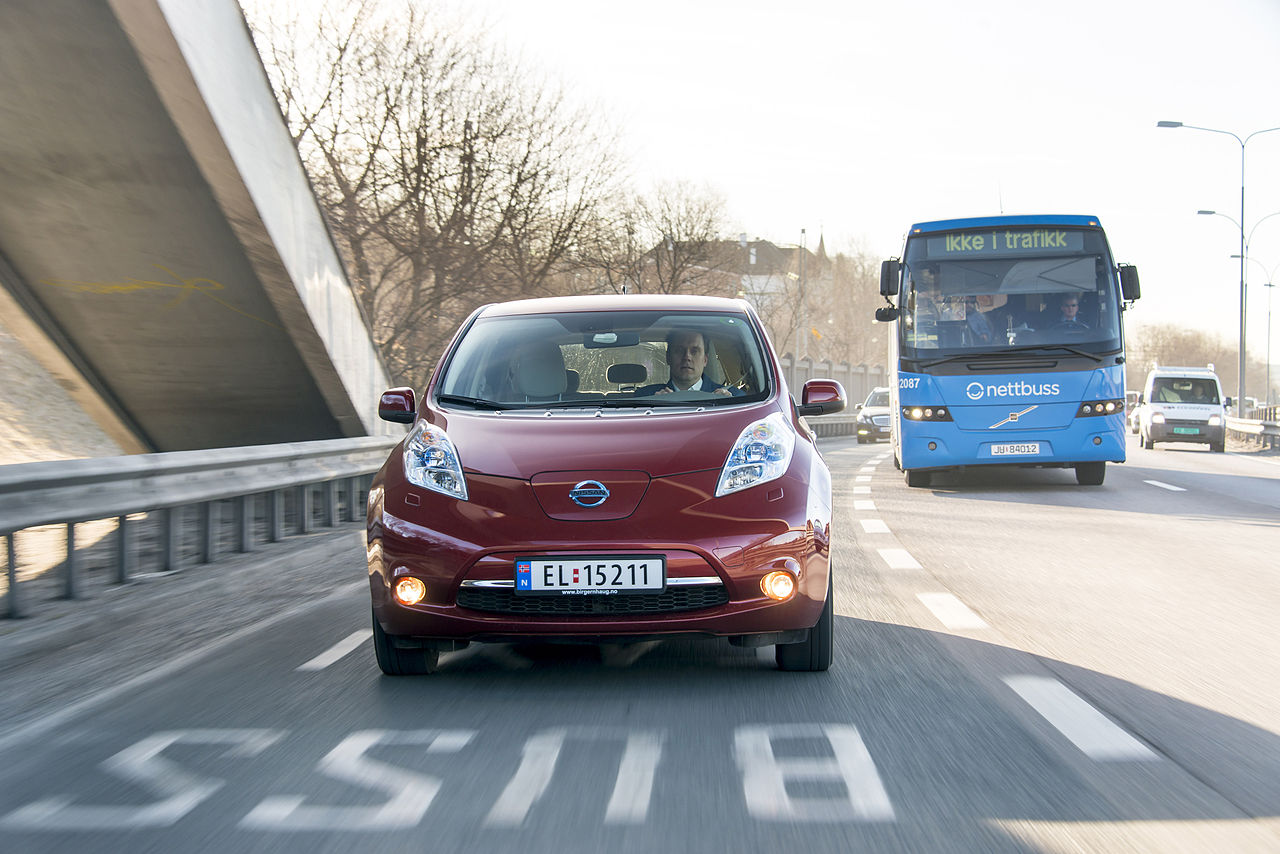
The Norwegian newspaper Dagens Næringsliv recently reported that the four major political parties of the Scandinavian country are discussing the move to ban the sale of gas-powered vehicles by 2025. This development elicited alarm in the oil sector and glee in the electric vehicle market, but emotions will need to be kept in check since the concept has not been made into law.
Among those who enthusiastically endorsed the move by Norway is Tesla CEO Elon Musk. Musk tweeted about the news expressing positive feedback, which is not surprising since his company will profit as a result.
Just heard that Norway will ban new sales of fuel cars in 2025. What an amazingly awesome country. You guys rock!! pic.twitter.com/uAXuBkDYuR
— Elon Musk (@elonmusk) June 3, 2016
However, as The Register notes, the only thing that the quad party discussion achieved was to set down environmental measures which mandate that brand-new vehicles sold in the country should be zero- emission by 2025. The mandate also targets buses and light commercial vehicles such as taxis, which means that they too will need to run on green energy by then.
To make the transition easier, new hydrogen-fueling stations are set to be built all over the country. The impending parliamentary election in 2017 does hold the potential to derail these developments, but the deal between the four parties ensures that the policies will most likely hold up.
What baffles many about the move by Norway however, is the fact that the Scandinavian country is one of the biggest oil producers and natural gas exporters in the world. According to a government report, oil and gas represented 39 percent of the exports that the country made in 2015. Even so, Norway is one of the most aggressive nations when it comes to transitioning from fossil fuels to renewable energy.
Joining Norway in attempting to ban gas-powered vehicles is The Netherlands and India, both of which want to enact the measure in 2025 and 2030 respectively. If these measures become laws, they could have a profound effect on the international automotive industry, particularly on the gas and diesel-powered sectors.







