


 South Korea, US Discuss Chip Investments Amid Tariff Plans
  Tesla Cybercab Launch Puts Robotaxi Ambitions in Focus
  Volkswagen Approves 50,000 More Job Cuts in Major Restructuring
  Fast Retailing Shares Drop as Uniqlo Japan August Sales Fall
  Audi, SAIC Launch China Innovation Hub for New AUDI Models
  OpenAI Launches GPT-6 Astra With Advanced AI Agent Capabilities
  Adobe Names Anil Chakravarthy CEO as AI Push Accelerates
  SpaceX Turbine Push Unlikely to Threaten Howmet, Bernstein Says
  BP Names Ian Tyler Permanent Chairman After Governance Shake-Up
  Thomson Reuters C-Track Cyberattack Hits Courts Across U.S. and Canada
  Honda Targets $9.4 Billion in Cost Cuts as China EV Competition Intensifies
  Nvidia Eyes $2.5 Billion Investment in Thinking Machines Lab
  Shein Shares Drop 5% After Weak Hong Kong IPO Debut
  Xiaomi Shares Jump on Europe EV Expansion Plan
  Berkshire Hathaway Eyes Bigger Stakes in Japan’s Top Trading Houses
  ByteDance Secures $29.6 Billion Loan to Boost AI Investment
  Anthropic Nears $15 Billion Credit Deal Ahead of IPO


 Add as a preferred source on Google
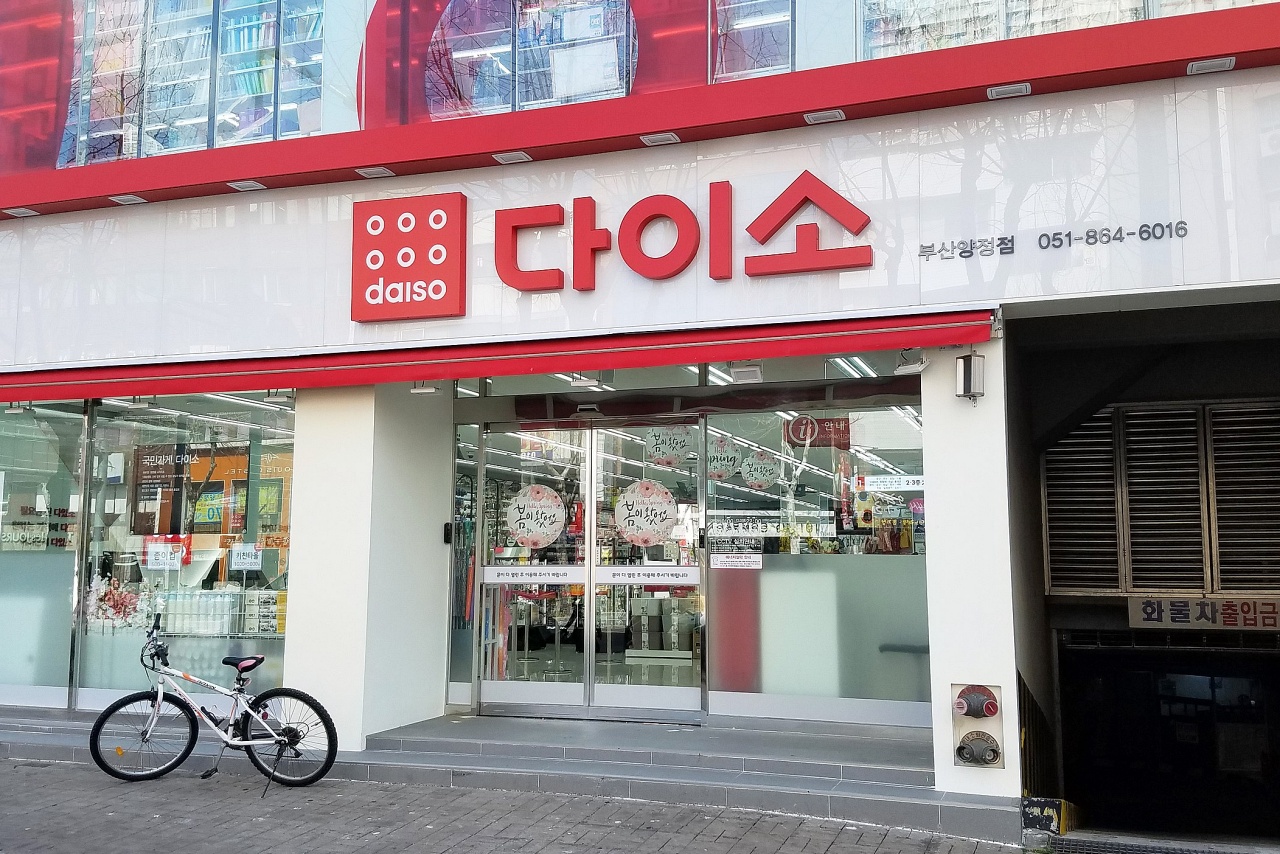
Daiso, a low-priced retail chain, is popular in South Korea as it is a place where the locals can buy good quality household goods and other merchandise for just KRW 1,000 or about $0.76. The store originated in Japan, where it has become a large franchise that sells goods priced at just 100 yen.
Now, the Korean unit of Daiso recently cut its ties and is no longer associated with Japan. This makes the outlets in South Korea fully owned by Koreans.
Acquisition of Shares by a Shareholder
According to The Korea Times, the largest stakeholder of Asung Daiso, Asung HMP, purchased a 34.21% stake in Daiso Sankyo, which is Asung's Japanese equity investment partner. Market watchers said that the Korean firm paid around KRW500 billion for the buyout deal.
It was reported that Asung made the move of buying more than a quarter of the stake to get rid of and clarify the enduring misconception that Asung Daiso is a Japanese company. With the purchase of additional shares, Asung HMP’s total stake is now 84.23%, as the group’s chairman Park Jeong Boo already holds the largest share of 50.02% prior to the deal.
Korea Herald reported that Park’s two daughters hold the rest of the shares. Asung Daiso shared that this acquisition deal is a “crucial step” in transforming the retail store chain into a wholly Korean company.
Transitioning to a Fully Korean Daiso Entity
Asung Daiso said that it will restart the business with “a strong identity as a Korean company.” The firm was first established in May 1997 when Park Jeong Boo opened a store that specializes in household goods in Cheonho-dong, which sits in the eastern part of Seoul.
In 2001, Park agreed to a joint venture with Daiso Sankyo, and his store transitioned to become Daiso. The Japanese partner also made an equity investment of KRW3.8 billion at that time.
Since then, the business continued to prosper despite facing uncertainties at certain periods throughout its operations due to repeated calls to boycott Japanese products. In any case, as Daiso in Korea is now wholly owned by local operators, Asung said in a statement, “Asung has no relationship with Japan other than it has a Japanese equity investment partner. We do not pay the Japanese partner royalties or exchange human resources. Our Japanese partner does not have any involvement in the management of our company.”
Photo by: LERK/Wikimedia Commons (CC BY-SA 4.0)







