


 6 simple questions to tell if a ‘finfluencer’ is more flash than cash
  Every generation thinks they had it the toughest, but for Gen Z, they’re probably right
  How to support someone who is grieving: five research-backed strategies
  Yes, government influences wages – but not just in the way you might think
  The American mass exodus to Canada amid Trump 2.0 has yet to materialize
  Stuck in a creativity slump at work? Here are some surprising ways to get your spark back
  What’s the difference between baking powder and baking soda? It’s subtle, but significant
  Columbia Student Mahmoud Khalil Fights Arrest as Deportation Case Moves to New Jersey
  The Beauty Beneath the Expressway: A Journey from Self to Service
  Why a ‘rip-off’ degree might be worth the money after all – research study
  Want to cut your energy bills? Here’s how five experts are doing it
  Why have so few atrocities ever been recognised as genocide?
  The ghost of Robodebt – Federal Court rules billions of dollars in welfare debts must be recalculated
  Why financial hardship is more likely if you’re disabled or sick


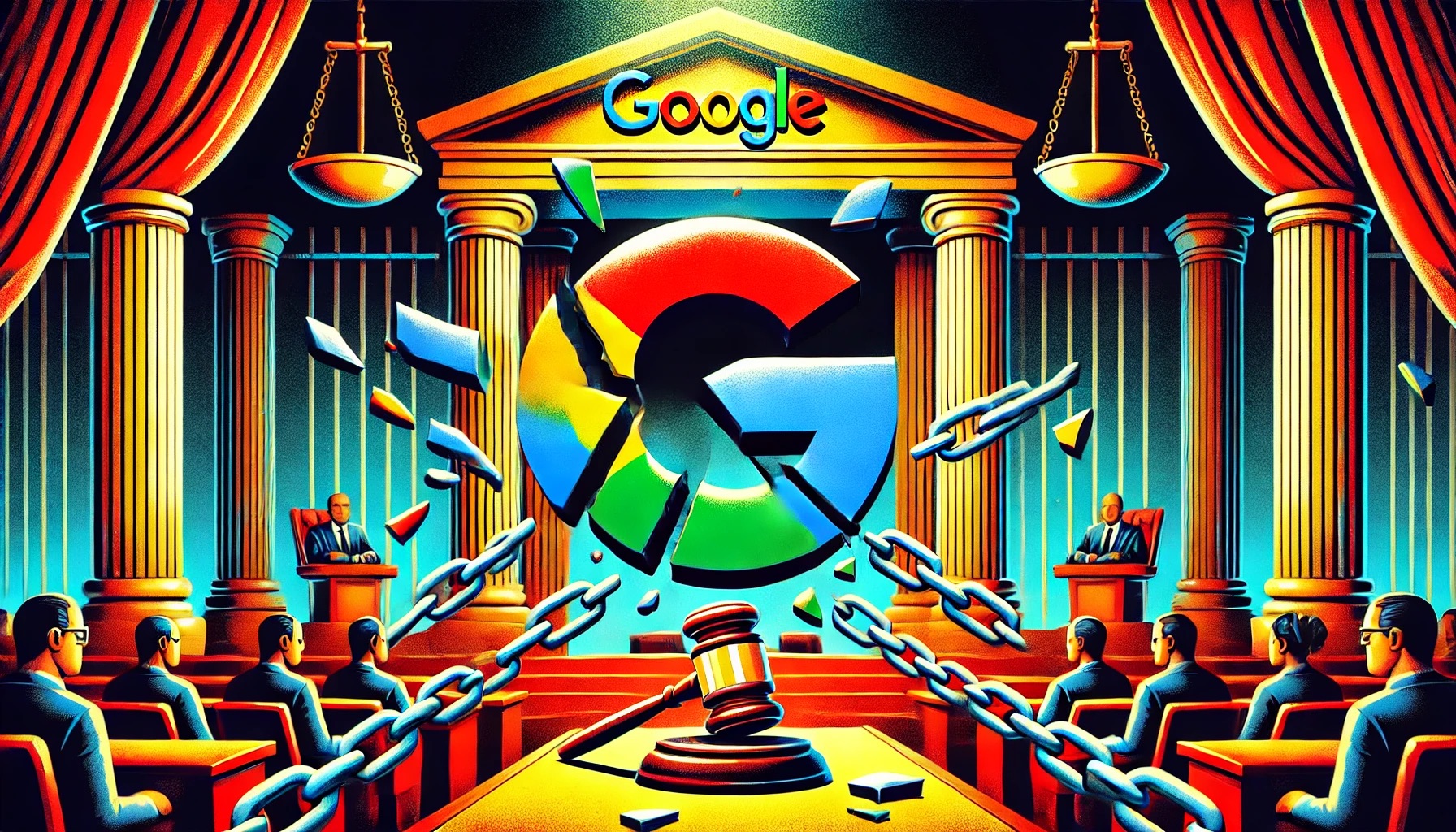
The U.S. Department of Justice has submitted recommendations in the ongoing antitrust trial against Google, proposing structural remedies that could lead to the breakup of the company. These measures are aimed at addressing Google’s monopoly in the search engine market, following a court ruling earlier this year.
DOJ Proposes Google’s Search Engine Spin-Off in Response to Court Ruling on Monopoly Practices
The U.S. Department of Justice (DOJ) is advancing with severe remedial recommendations in an ongoing high-profile trial, which appears to increase the antitrust pressure on Google. According to Wccftech, the proposed course of action by the Department of Justice (DOJ), if approved by the court, could result in the dissolution of Google, with its search engine business being spun off as a distinct entity.
To provide context, the U.S. District Court for the District of Columbia determined in August that Google maintains a monopoly in the search engine market, substantiated by substantial barriers to entry. The court's ruling concentrated on Google's exclusive search agreements with Apple's iPhones, iPads, and various Android devices, which were determined to have reinforced the company's dominant position in the search engine market.
The court also emphasized Google's role in the general search text advertising market, where advertisements are displayed alongside search results, in addition to its control over search engine dominance. Nevertheless, the court concluded that general search advertising is not a distinct market, reducing the likelihood of penalizing Google for its monopoly in this sector.
DOJ Suggests Structural Remedies, Including Possible Google Breakup, as Antitrust Case Moves Forward
After the court's decision, Judge Amit P. Mehta directed the Department of Justice to develop specific remedies to resolve Google's monopolistic practices. The Department of Justice has now submitted its recommendations, which include the potential for "structural requirements" that could result in the dissolution of Google:
“The remedies required to prevent and restrain monopoly maintenance in each area may include contract requirements and prohibitions, non-discrimination product requirements, data and interoperability requirements, and structural requirements.”
These structural remedies are perceived as a significant stride toward the technology behemoth's dissolution. However, the Department of Justice intends to refine its recommendations in November 2024, with a final proposal anticipated by March 2025. If the court approves a separation, it could still be years before such a dissolution occurs, as Google is expected to appeal any adverse rulings.







