


 Asian Stocks Fall as Surging Bond Yields Rattle Markets
  US Stocks Face Jobs, Inflation Test as Fed Rate Hike Bets Rise
  Oil Prices Fall on U.S.-Iran Hormuz Deal Hopes
  U.S. Dollar Hits Two-Month High as Oil, Treasury Yields Surge
  China Agrees to Buy 20 Million Tons of U.S. Coal
  Europe’s AI Data Centre Boom Strengthens Case for Nuclear Power
  Oil Prices Jump 3% as Houthi Attack Revives Supply Fears
  Fed Unveils Stablecoin Rules Under GENIUS Act
  European Stocks Fall as Bond Yields and Geopolitical Risks Weigh
  Canadian Dollar Faces Pressure as Fed-BoC Policy Gap Widens
  Fed’s Hammack Says Bond Yield Surge Is Not Driven by Inflation Fears
  Mexico-US Trade Talks Delayed to October as Tariff Negotiations Continue
  Fed Unveils Stablecoin Rules Under GENIUS Act
  ECB May Stop Rate Hikes After December, Capital Economics Says
  China Consumer Stocks Near Decade Lows as AI Shares Surge
  Trump to Ease U.S. Fuel-Economy Standards


 Add as a preferred source on Google
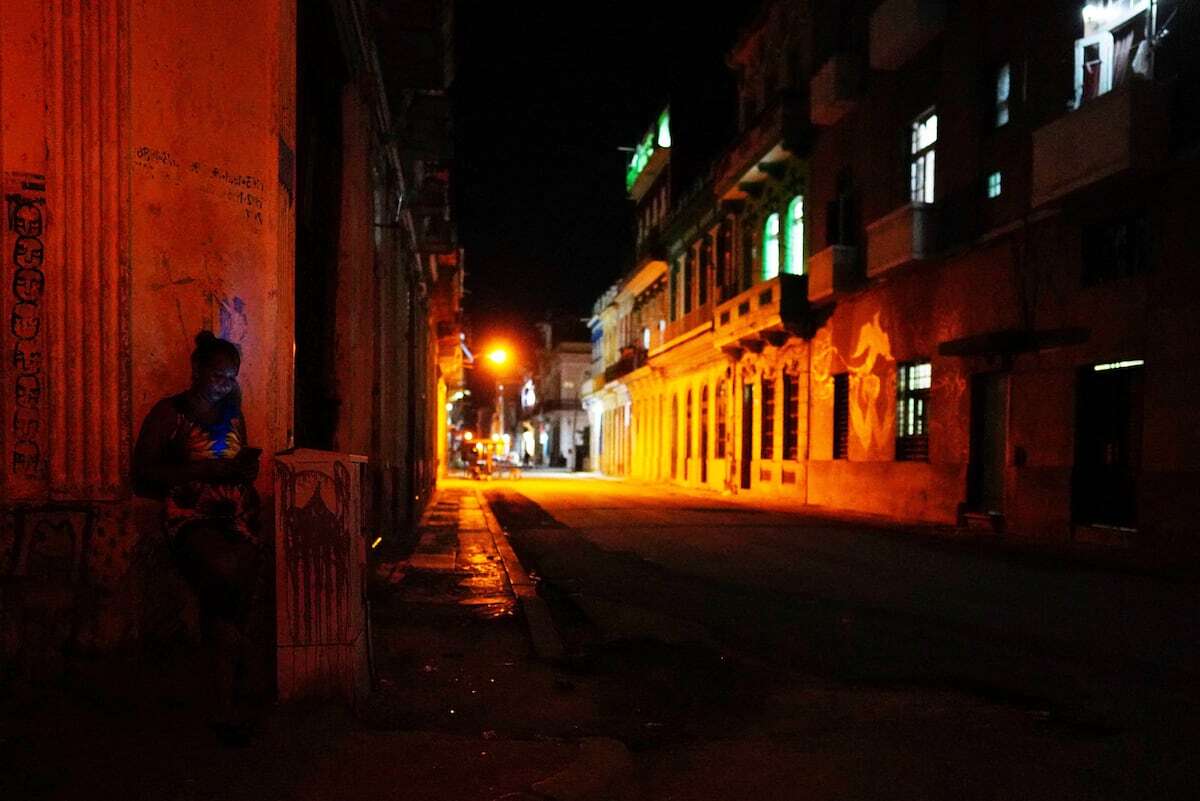
Cuba Faces National Blackout: Infrastructure Crisis and Future Solutions
On Friday, Cuba's national grid collapsed, plunging the island's 10 million residents into darkness and revealing the dire state of its infrastructure and economy. While efforts to restore power are underway, long-term challenges loom large.
Causes of the Grid Collapse
Cuba's electrical grid, primarily powered by aging oil-fired plants, suffers from decades of neglect and inadequate maintenance. With minimal domestic fossil fuel production, the country heavily relies on imports for electricity generation. A significant reduction in fuel shipments from Venezuela, compounded by export cuts from allies Russia and Mexico, has further strained Cuba's energy resources. This precarious situation culminated in a major malfunction at the country’s largest power plant, exacerbated by adverse weather that delayed fuel deliveries, ultimately leading to a total grid failure.
Blame and Accountability
Cuban leaders, including President Miguel Diaz-Canel, often cite the U.S. trade embargo and sanctions as primary causes of their energy woes. While the U.S. denies responsibility for the blackout, sanctions complicate Cuba's ability to finance fuel purchases and acquire essential spare parts, leaving it reliant on its outdated fleet for transport. However, the Cuban government also acknowledges that corruption and bureaucratic inefficiencies have hampered efforts to upgrade its electrical infrastructure.
Public Response and Humanitarian Impact
The blackout has drastically affected daily life, leaving millions without electricity and contributing to increased mosquito-borne illnesses. Water supply disruptions due to power outages have left hundreds of thousands without access to clean water. Food shortages, exacerbated by extended blackouts, have forced many to seek refuge abroad, resulting in a significant increase in emigration since 2020.
Government Initiatives for Sustainable Energy
In response to these challenges, the Cuban government has announced plans to transition to renewable energy sources, focusing on solar power. State-run media reported that 26 solar farms are under construction, intending to achieve 1,000 megawatts of new capacity within two years. Nevertheless, ongoing economic constraints and funding shortages may hinder timely progress.
Historical Context of Grid Failures
Cuba has experienced significant power outages before, including a nationwide blackout following Hurricane Ian in September 2022. While service was eventually restored, it was accompanied by public protests over the government's handling of the crisis.







