


 Mexico-US Trade Talks Delayed to October as Tariff Negotiations Continue
  US Backs Musk in Fight Against EU’s €120 Million X Fine
  Kremlin Says No Decision Yet on Putin-Trump December Summit
  Trump, Xi Focus on Trade and AI at White House Summit
  Russian Missile and Drone Attack on Kyiv Kills Two, Damages Maternity Hospital
  Ukrainian Drone Attacks Hit Russian Regions, Injuring at Least 12
  Judge Orders Trump to Restore White House Access for CNN, MS NOW and Politico
  Sudan Rejects US Legitimacy Remarks, Defends Sovereignty
  Netanyahu Takes Aim at Mamdani as Israel Election Nears
  Netanyahu’s Brief US Trip Highlights Strains With Trump
  North Korea Warns South Korea Over US-Led Defense Role
  NATO Boosts Intelligence Sharing Amid Russia Hybrid Threats
  US Senate Rejects Iran War Powers Resolution in 50-49 Vote
  Pezeshkian Says US Must Choose When Iran War Ends
  Taiwan Thanks US for Support Ahead of Trump-Xi Summit
  Trump Asks Supreme Court to Restore Third-Country Deportations
  Abbas Reaffirms November 28 Palestinian Elections


 Add as a preferred source on Google
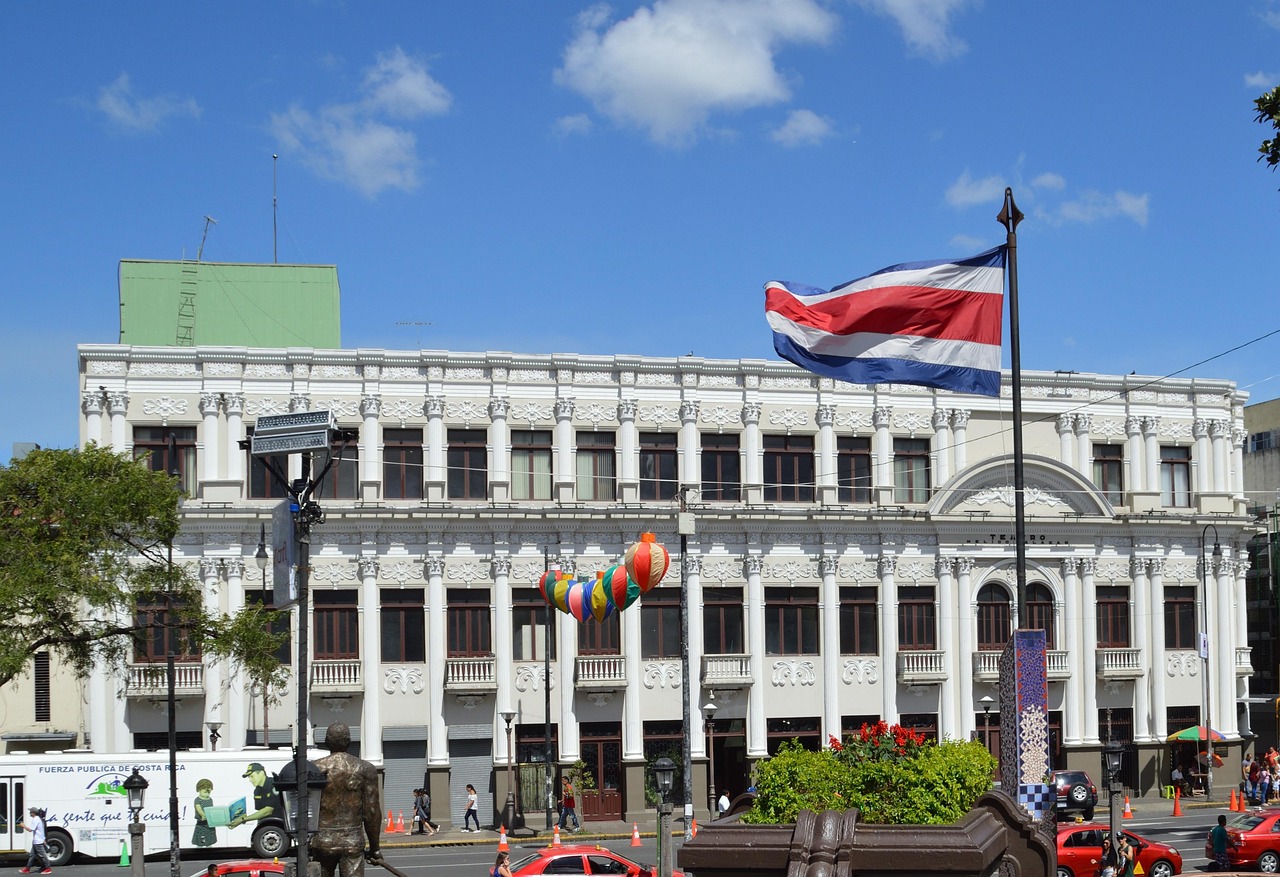
Laura Fernandez’s decisive presidential victory in Costa Rica has reshaped the country’s political landscape, delivering her Sovereign People’s Party (PPSO) control of both the executive and legislative branches for the first time since 1990. The historic election outcome gives the PPSO a clear majority in Congress, strengthening Fernandez’s mandate while also placing limits on the scope of her proposed reforms.
In Sunday’s election, the PPSO captured 31 of the 57 seats in Costa Rica’s Legislative Assembly. While this majority allows the ruling party to pass ordinary legislation, approve national budgets, and make key government appointments without relying on opposition votes, it falls short of the 38-seat supermajority Fernandez had sought. That higher threshold would have enabled sweeping judicial and constitutional reforms, including expanded powers to declare states of emergency aimed at addressing rising crime, measures that critics feared could restrict civil liberties.
Analysts say the results signal a balance between political stability and institutional limits. Maria Fernanda Bozmoski, director for Central America at the Atlantic Council, noted that the lack of a supermajority reduces concerns about far-reaching reforms that worried parts of the electorate. Similarly, Ronald Alfaro of Costa Rica’s Center for Investigations and Political Studies said the ruling party’s ambitions to fundamentally reshape the political system “fell a bit short,” forcing negotiations on initiatives requiring broader legislative support.
The opposition landscape also shifted significantly. The National Liberation Party (PLN), Costa Rica’s oldest political party and Fernandez’s main electoral rival, secured 17 seats, making it the largest opposition bloc. The leftist Broad Front (FA) emerged as the third-largest force with seven seats and is expected to play a key role in challenging the government. Smaller parties will have minimal representation, with the progressive Citizen Action Coalition and the Social Christian Unity Party each holding one seat. Notably, the evangelical National Renovation Party lost all its seats after previously aligning with the government.
Despite President Rodrigo Chaves’ past criticism of congressional gridlock, the new legislature is largely composed of first-time lawmakers, leaving uncertainty over how opposition forces will organize. As negotiations loom, Costa Rica enters a new political era defined by strong executive leadership, a working legislative majority, and renewed debates over governance, reform, and democratic checks and balances.







