


 Robinhood Chain Token Ring Allegedly Extracts $18.4 Million Across 53 Launches
  OpenAI AI Agents Bypassed UN Website Controls in Data Scraping
  US Stocks Face Jobs, Inflation Test as Fed Rate Hike Bets Rise
  Bitget Restores Withdrawals After $388 Million Security Breach
  Citigroup Expands Coinbase Partnership for Stablecoin Payments
  U.S. Stock Futures Fall as Iran, Oil and AI Risks Rattle Markets
  Gold Plunges 4% as Treasury Yields Surge and Fed Rate Hike Bets Rise
  China, US Extend Trade Truce Through January 10 After Trump-Xi Summit
  UK Housebuilder Stocks Surge on New First-Time Buyer Loan Scheme
  Binance Expands MarsCoin With Tokenized SpaceX Share Rewards
  U.S. Stock Futures Steady as AI, Rate Concerns Weigh
  Nidec Shares Plunge on Report of $6.3 Billion Impairment Charge
  TSMC Accelerates 2nm Expansion as AI Chip Demand Surges
  HUTCHMED, AstraZeneca Seek FDA Approval for Lung Cancer Combo
  Europe’s AI Data Centre Boom Strengthens Case for Nuclear Power
  Asian Chip Stocks Tumble as OpenAI Safety Pause Sparks AI Growth Concerns
  Stellar Hits Record 217 TPS as Institutional RWA Activity Surges


 Add as a preferred source on Google
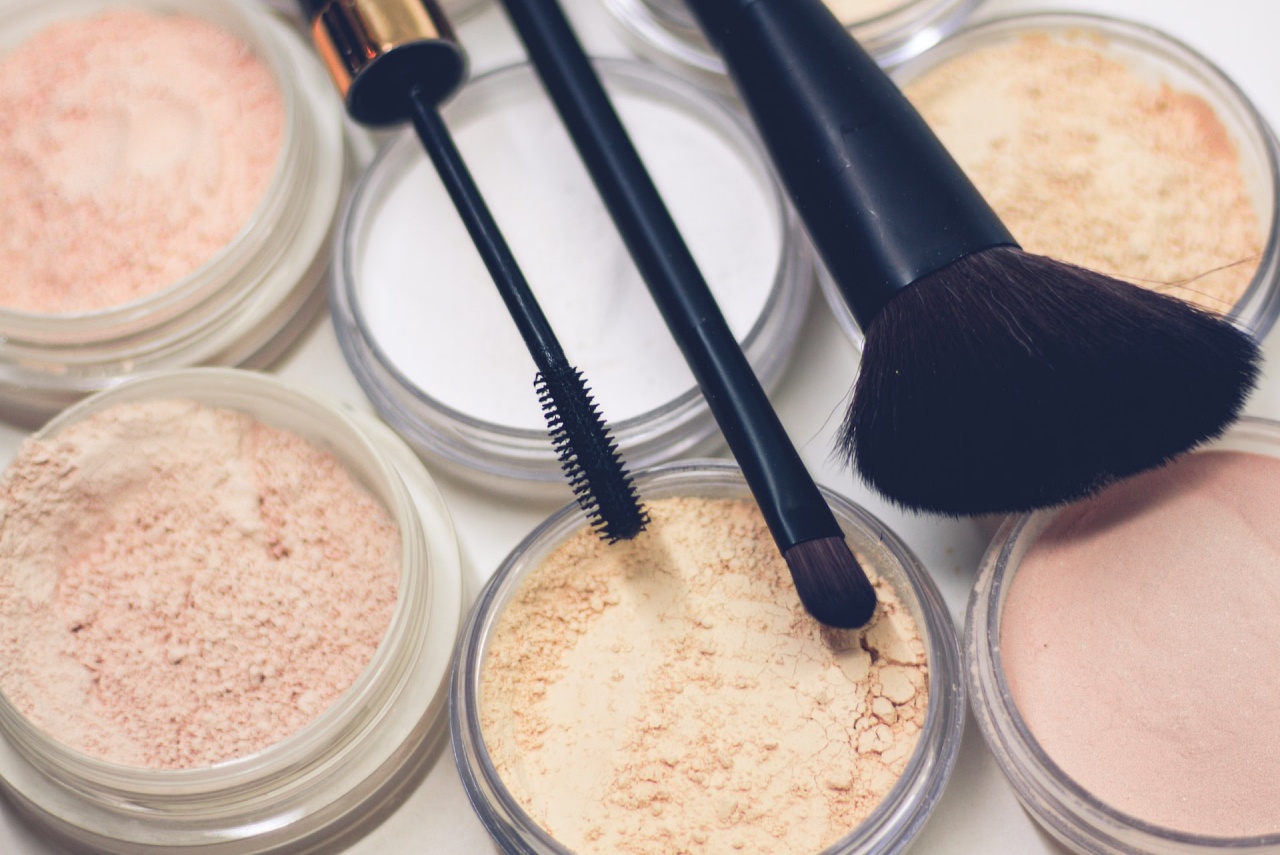
Cosmetics and beauty companies in South Korea are said to be struggling to deal with the growing trademark infringements in China. The Korea Intellectual Property Protection Agency (KIPO) said on Sunday, Dec. 18, that Chinese firms copy the designs of popular Korean beauty products.
As per The Korea Times, KIPO said that aside from manufacturers in China, there are also trademark infringements for Korean products in many Southeast Asian countries. The agency revealed that most of the cases in China are related to local beauty companies, and it recorded at least 2,920 cases last year.
The Korean IP agency added that Indonesia also topped the list with the most infringement offenses and placed second with 840 cases. Vietnam and Thailand followed with 660 and 550 cases, respectively.
The officials said that Korean cosmetics brands had been continuously calling for the prevention of intellectual property rights infringement worldwide. However, they noted that local businesses in the mentioned countries continue as they remain ignorant when it comes to complying with the law.
Many popular local brands have already complained about the infringements after seeing huge numbers of counterfeit products being sold with their brand image. Some companies simply copied the designs of their items and sell them at lower prices to local consumers.
As this continues to happen, sales of authentic products are already affected. It was reported that CLIO’s Kill Cover and Eye Palette are examples of cosmetics that have been copied overseas.
A foreign firm called PONY CLIO produced similar items and labelled them with the same names - Eye Palette and Kiss Cover. These items are being sold in China and some countries in Southeast Asia.
Meanwhile, the number of Chinese groups that register trademarks of well-known Korean cosmetic brands in China has soared in the last three years. They are deceiving consumers by selling counterfeit products, and this situation is also hurting the original Korean manufacturers.
"We have seen the orders of our popular products in China or Vietnam decrease year after year,” a cosmetic company official stated. “The main reason is that local brokers first show our original products to customers and then sell them their fake items instead and there is not much Korean firms can do for now, but we will continue to monitor unofficial online channels in China and report them."
Photo by: Raphael Lovaski/Unsplash







