


 Bill Ackman Eyes New Fund to Bet Against Market Complacency
  Pilots Fear Retaliation for Refusing Middle East Flights Amid Ongoing Conflict
  U.S. Automakers Push Back Against EU Rules Blocking American Trucks from European Market
  Goldman Sachs, ANZ Cut Oil Forecasts Amid U.S.-Iran Ceasefire Hopes
  Bendigo and Adelaide Bank Posts Strong Q3 Earnings, Announces AI-Driven Job Cuts
  Foreign Investors Pour $18.65 Billion into Japanese Stocks Amid Market Stabilization
  Kia Cuts EV Sales Target for 2030 Amid Slowing Demand and U.S. Policy Shifts
  TSMC Posts Strong Q1 2025 Revenue, Riding AI Chip Demand Wave
  China Vanke Seeks Bond Extension Amid Mounting Debt Crisis
  Abbott Laboratories Ordered to Pay $53 Million in Premature Infant Formula Lawsuit
  Disney Plans to Cut 1,000 Jobs Amid Ongoing Restructuring Efforts
  Chalco Stock Surges as Q1 2025 Profit Forecast Jumps Up to 58%
  BHP's Incoming CEO Visits China Amid Pricing Dispute with CMRG
  SanDisk Joins Nasdaq-100, Replacing Atlassian on April 20
  Anthropic Fights Pentagon Blacklisting in Dual Federal Court Battles
  Rio Tinto's California Boron Assets Attract Over a Dozen Bidders, Valued at Up to $2 Billion


As the world economy recalibrates from a year or more of record-high interest rates, companies across every sector are facing various versions of debt restructuring. Many of these companies took on enormous debt following pandemic struggles and periods of near-zero interest rates. Now those huge debts are coming due, and the cost of borrowing more to cover has been, and remains, prohibitively high for over a year.
Many companies are resorting to distressed debt exchanges to avoid full-scale bankruptcies. However, as traditional financial institutions tighten their lending, there’s a growing demand for creative debt restructuring strategies that go beyond conventional solutions. This is especially true for larger corporations with complex debt structures that require more sophisticated approaches.
According to data from Moody’s, the global corporate default rate is expected to climb significantly as businesses deal with their high debt loads and sluggish economic growth. Companies in industries such as retail, real estate, and energy have been particularly hard hit. In 2023, there were 153 defaults globally, compared to 85 the previous year - a clear impact of high interest rates.
Traditional debt restructuring methods typically involve covenant waivers, extensions, or out-of-court agreements. Distressed debt exchanges allow these companies to renegotiate debt terms, often offering creditors new securities with lower payouts in place of the original debt. While this helps companies avoid outright bankruptcy, it is still a ‘default’ in the eyes of ratings agencies and a delay for more serious financial restructuring.
This is where more creative debt restructuring strategies come into play. Larger alternative lenders, such as Toronto-based Third Eye Capital, play a crucial role in the distressed debt landscape.
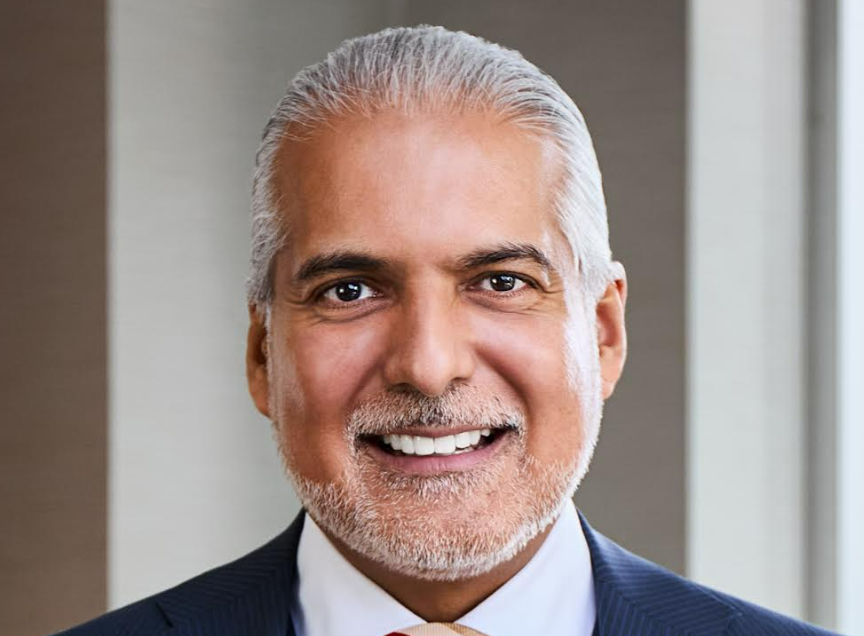
“While traditional banks are often restricted by regulatory requirements and risk tolerance, private debt firms have the flexibility to take on higher-risk opportunities and work closely with companies to create tailored restructuring plans,” says Third Eye Capital CEO Arif Bhalwani. This might involve loan amendments, debt-for-equity swaps, or even providing additional capital to help stabilize operations.
Private debt firms like Third Eye Capital have gained prominence by filling the void left by traditional financial institutions with more flexible terms and more creative solutions, positioning their partners for recovery in a still-uncertain economic environment.
Bhalwani and his team specialize in providing flexible and innovative financing solutions for distressed companies, partnering with them to navigate out of financial trouble.
“We’ve seen in Canada a dramatic surge in debt-servicing costs for publicly-listed businesses, starting in mid-2022 and continuing to today,” says Bhalwani. “Interest costs will escalate in the coming years as existing debt is refinanced at higher rates. This financial strain has led to the sharpest increase in business insolvencies in the nearly 40-year history of the Office of the Superintendent of Bankruptcy - an 87.4% increase in Q1 2024 compared to the same period last year.”
While the majority of these insolvencies have been concentrated among small businesses, the filings for large debtor restructurings under the Companies’ Creditors Arrangement Act (CCAA) increased by 40% in Q1 2024 compared to last year. There were 72 CCAA filings in the twelve months ending March 31, 2024, compared to an average of 34 CCAA filings per year in the 2010s.
For complex corporations that require more sophisticated solutions, private debt firms can offer bespoke approaches that work best for different industries, playing essential roles in helping those industries weather any economic storms.
In contrast to smaller distressed debt exchanges, which focus on short-term relief for smaller firms, larger institutions like Third Eye Capital are typically involved in more comprehensive restructuring efforts. These involve deeper operational changes, asset sales, and long-term financial planning aimed at ensuring the company’s survival beyond immediate liquidity concerns. For example, Third Eye Capital's restructuring strategies often include extensive due diligence to identify hidden assets or underutilized revenue streams, which can then be leveraged to reduce the company’s debt load.
As interest rates begin to slowly decline, many companies still find themselves in precarious positions. Many will likely take on more debt as soon as it’s more affordable.
The aftereffects of the rapid rate hikes and surging insolvencies will likely linger for years, especially for companies that accumulated substantial debt during the low-rate period. To shore up these economic weaknesses, innovative restructuring solutions from non-bank lenders will be vital.
Private debt funds will continue to benefit from reduced bank credit availability, giving managers like Bhalwani with extensive business turnaround skills and restructuring experience a more permanent role in special situations investments.
This article does not necessarily reflect the opinions of the editors or management of EconoTimes







