


 U.S. Disrupts Russian Military Hackers' Global DNS Hijacking Network
  China vs. NASA: The New Moon Race and What's at Stake by 2030
  Samsung Electronics Eyes Record Q1 Profit Amid AI-Driven Chip Boom
  MATCH Act Targets ASML and Chinese Chipmakers in New U.S. Export Crackdown
  California's AI Executive Order Pushes Responsible Tech Use in State Contracts
  NASA's Artemis II Crew Arrives in Florida for Historic Moon Mission
  Bank of America Identifies Top Asia-Pacific Semiconductor Stocks Poised for AI-Driven Growth
  Alibaba Shares Slide as Jefferies Slashes Price Target Over AI Spending and Business Losses
  Annie Altman Amends Sexual Abuse Lawsuit Against OpenAI CEO Sam Altman
  Bendigo and Adelaide Bank Posts Strong Q3 Earnings, Announces AI-Driven Job Cuts
  Britain Courts Anthropic Amid US Defense Department Dispute
  Chinese Universities with PLA Ties Found Purchasing Restricted U.S. AI Chips Through Super Micro Servers
  China's Push to Steal Taiwan's Chip Technology and Talent Raises Security Alarms
  Elon Musk Ties SpaceX IPO Access to Mandatory Grok AI Subscriptions
  SpaceX Eyes Historic IPO at $1.75 Trillion Valuation
  Apple Turns 50: From Garage Startup to AI Crossroads


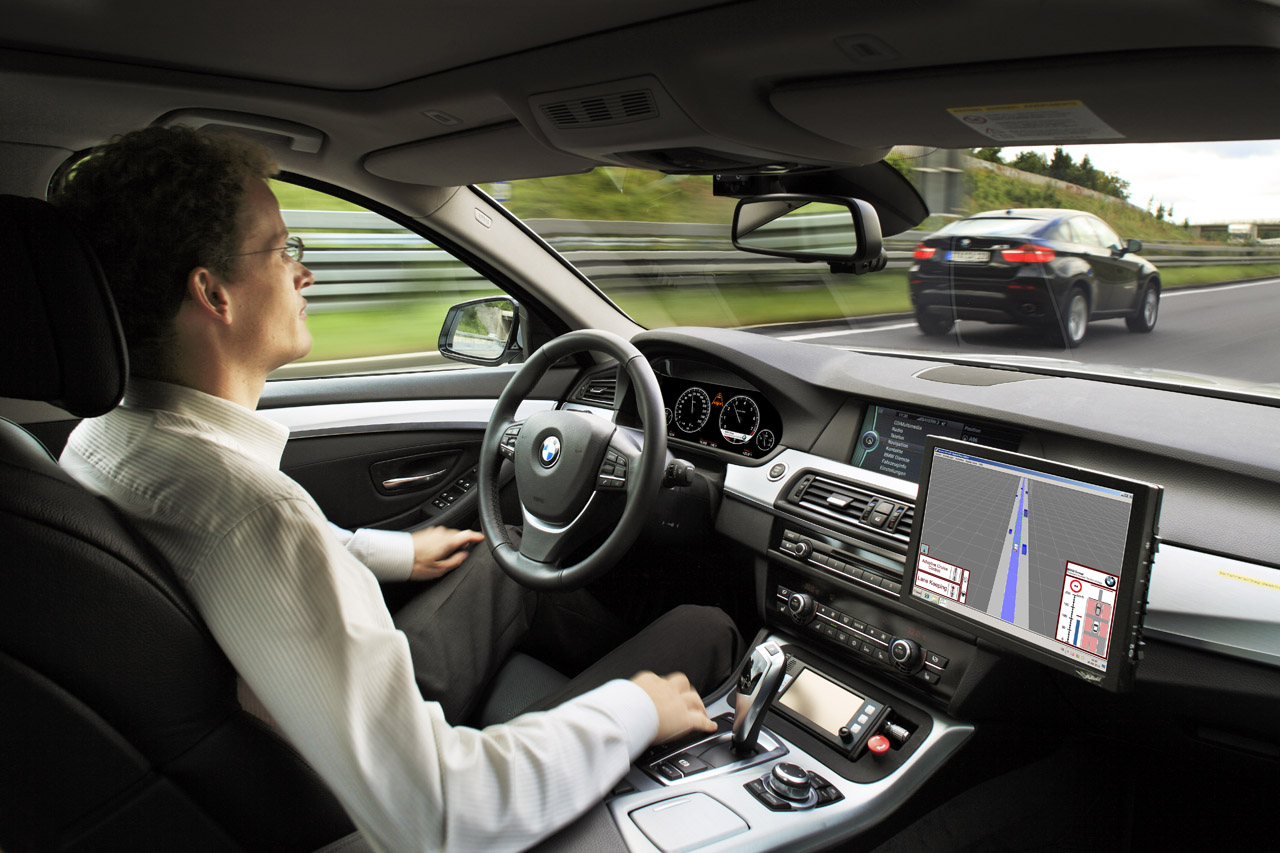
Autonomous driving is already being considered the future of the auto industry, which is why most of the major car makers are heavily investing in it. However, a new study shows that current self-driving features can present a problem when it comes to finally giving back control to the driver. This is an issue previously unforeseen with regards to self-driving vehicles.
In the study, 22 drivers were put to the test to see just how smooth the transition would be from autonomous driving to manual driving, Phys.org reports. The test was conducted by researchers from different backgrounds, including lead author Holly Russell from Stanford University. According to her, there was a noticeable gap in the transition period, which can become a problem if not dealt with as autonomous driving becomes more common.
"Many people have been doing research on paying attention and situation awareness. That's very important," Russell said. "But, in addition, there is this physical change and we need to acknowledge that people's performance might not be at its peak if they haven't actively been participating in the driving."
Basically, when a driver takes over for the machine, there is a shift in terms of how aware the driver becomes as they take control. This is particularly pronounced in cases where the driver relaxes while the car takes over, even going so far as to start reading or going on social media. Once they have to take back control and start driving again, the change can be jarring.
As Inverse puts it, driving is more than just about knowing how to control every aspect of the car and obeying traffic rules. The body also needs to adjust to the condition of the road, and the mind needs time to absorb and process all of the information that is coming from different directions.
What essentially happens when they finally take over is getting bombarded with all of that information at once. The experience can leave the driver struggling to make sense of what they are seeing and feeling.







