


 Telenor to Buy Controlling Stake in Bahnhof in $630 Million Broadband Deal
  SK Hynix’s $28 Billion U.S. Share Sale Draws Massive Demand Amid AI Chip Boom
  AstraZeneca Shares Sink After Wainua Trial Misses Key Heart Disease Goal
  Mizuho’s Top U.S. Industrials Stocks: Why Corteva and Stanley Black & Decker Stand Out
  OpenAI GPT-5.6 Set for Wider Release After U.S. Commerce Approval, Report Says
  Oil and LNG Tankers Turn Back as Strait of Hormuz Security Risks Escalate
  OpenAI Executive Fidji Simo to Step Down Amid Health Challenges Ahead of IPO
  Oppenheimer Sees CNH Industrial as Top 2026 Agriculture Stock Pick on Dealer Consolidation Strategy
  Fast Retailing Raises Full-Year Forecast After Uniqlo Owner Beats Q3 Profit Estimates
  Sino Biopharm Stock Rises After AstraZeneca Licensing Deal, GSK Partnership Expansion
  Bain Capital Exits Kioxia After AI-Fueled Valuation Surge
  Chinese Chip Stocks Jump as Apple Reportedly Tests CXMT Memory Chips for China Devices
  Japan Regional Bank Stocks Drop After Zentoshin Bankruptcy Sparks Credit Risk Concerns
  Wolfspeed Sues Navitas Over GaN and SiC Patent Infringement
  Goldman AM Sees Strong Buyout Opportunities in Japan, South Korea and Australia
  Apple Tests China's CXMT Memory Chips as DRAM Maker Gains Global Market Share


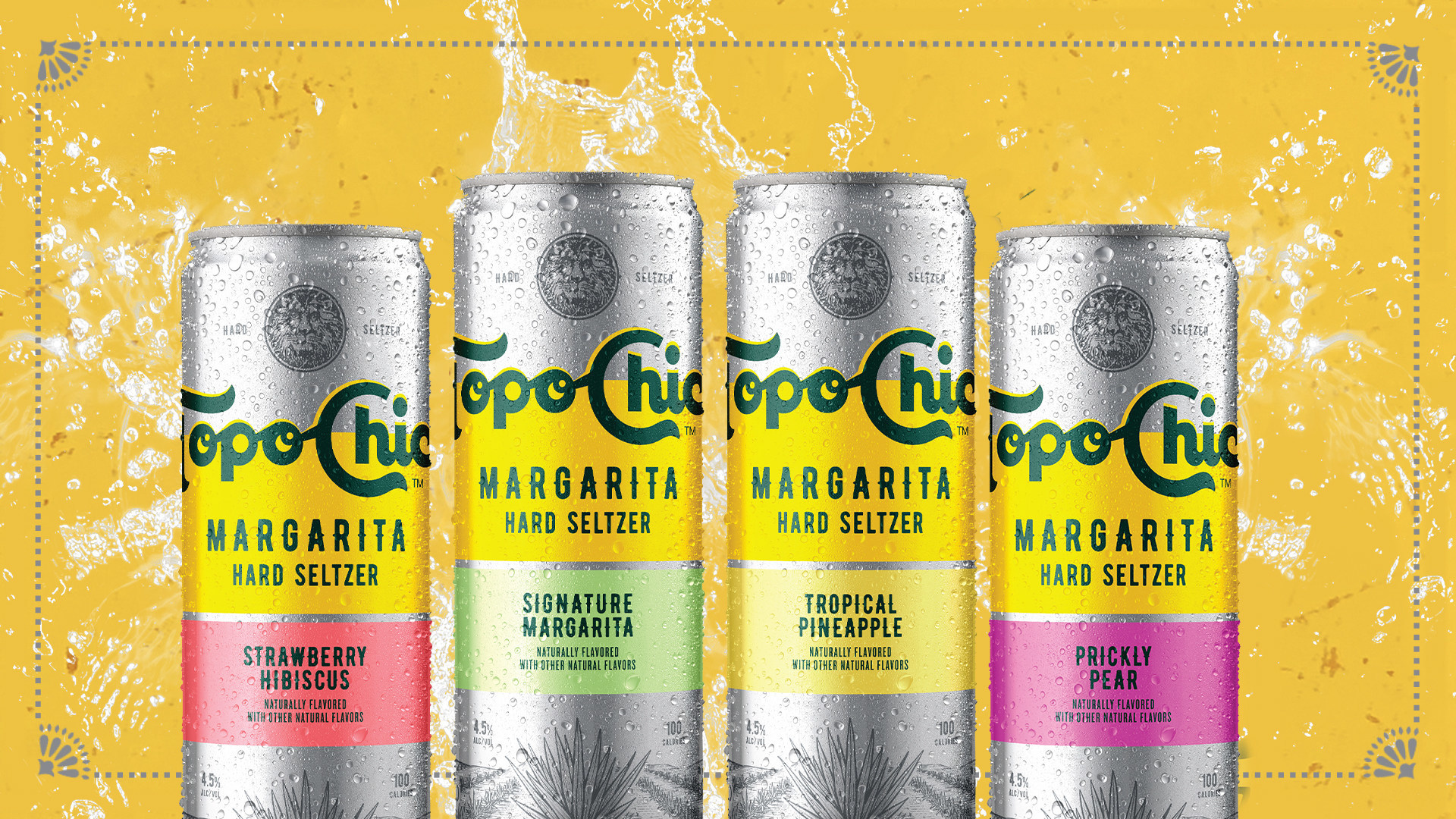
The Coca-Cola company faces legal action over claims that its marketing of margarita-flavored hard seltzers misleads consumers into thinking they contain tequila when they do not. The lawsuit alleges that the Topo Chico brand uses an alternative alcohol source instead of the expected agave-derived spirit.
Misleading Representation
Tamera Fletcher, a Monroe County resident, initiated the class action lawsuit, asserting that Coca-Cola's Topo Chico brand employed less expensive ingredients than authentic tequila while suggesting traditional margarita components. According to Newsweek, the lawsuit contends that the brand leveraged the popularity of agave-derived spirits without transparently disclosing the alcohol sources.
This strategy exploited consumer preferences for tequila-infused beverages and diminished the value of genuine tequila products. The legal action was filed in the U.S. District Court for the Southern District of Florida. Seeks to rectify the alleged misrepresentation. It aims to enforce product labeling and advertising transparency while advocating for fair competition within the beverage industry.
Fletcher accuses Coca-Cola of using deceptive practices to sell their hard seltzers at higher prices. It highlights the allure of tequila-based drinks due to traditional production methods and celebrity endorsements, emphasizing tequila's superior flavor.
Consumer Expectations and Legal Grounds
Tequila Raiders noted that the lawsuit underscores a growing concern among consumers regarding the accuracy of product labeling and marketing strategies. Fletcher's legal team argues that by implying the inclusion of tequila in its margarita-flavored seltzer, Coca-Cola's Topo Chico has misled consumers who may choose this product over others based on the expectation of specific ingredients.
This case highlights the broader issue of trust between consumers and brands, emphasizing the need for transparency in advertising. Legal experts suggest that the outcome of this lawsuit could set a precedent for how companies represent their products in the marketplace, potentially leading to stricter regulations on labeling and marketing practices.
The lawsuit claims violations of Florida's trade practices and false advertising and demands a jury trial and compensation for affected customers.
Photo: PR Newswire







